The Botanical Library

Origins, varieties, benefits and care of everyday foods and herbs.

66 entries

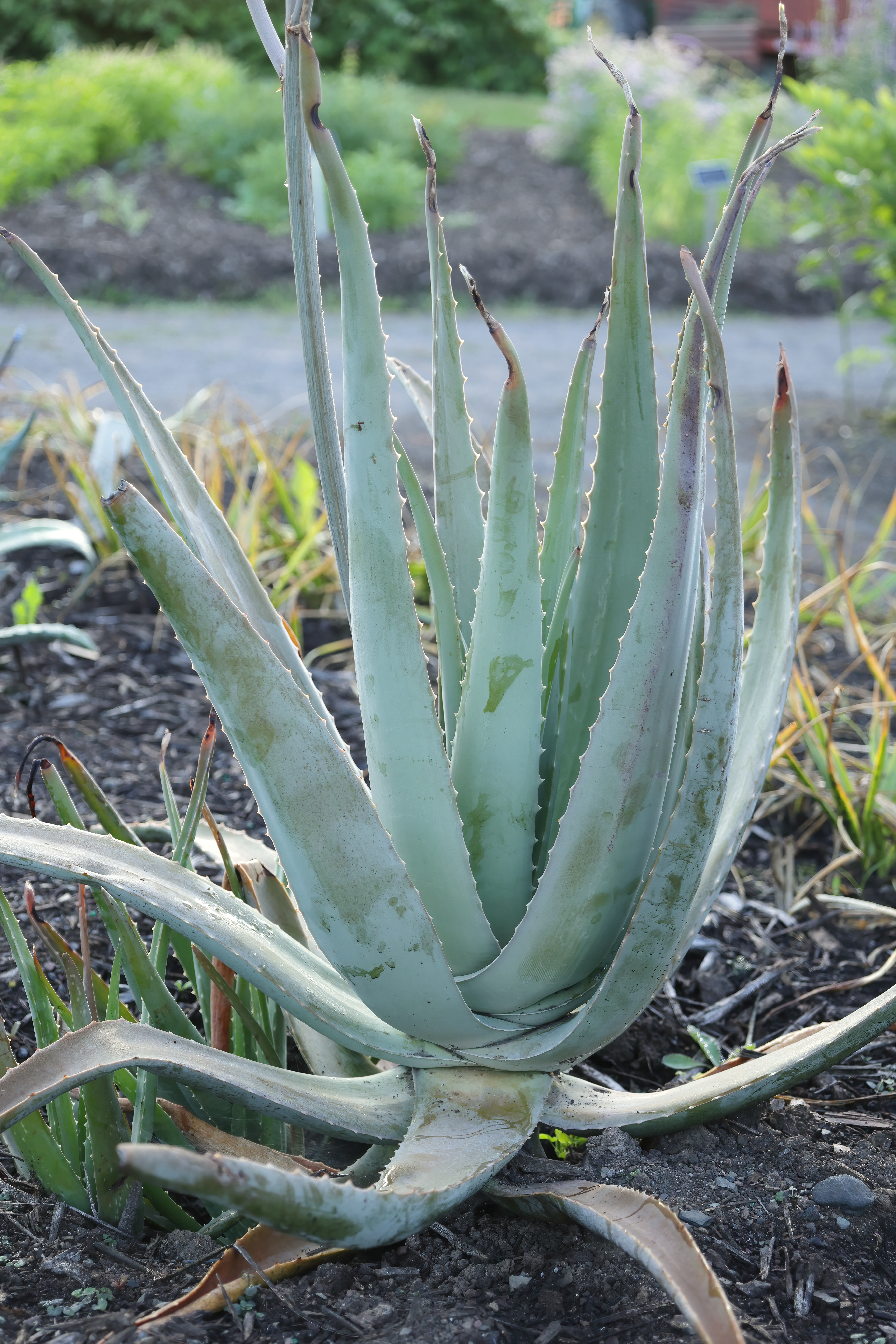
Aloe Vera
Photo: Cephas, CC BY-SA 4.0, via Wikimedia Commons

Aloe Vera

Aloe vera

Medicinal · Culinary — gel only, preparedSkin Health

Barbados Aloe, Burn Plant, First Aid Plant — Aloe Vera is the original windowsill remedy.
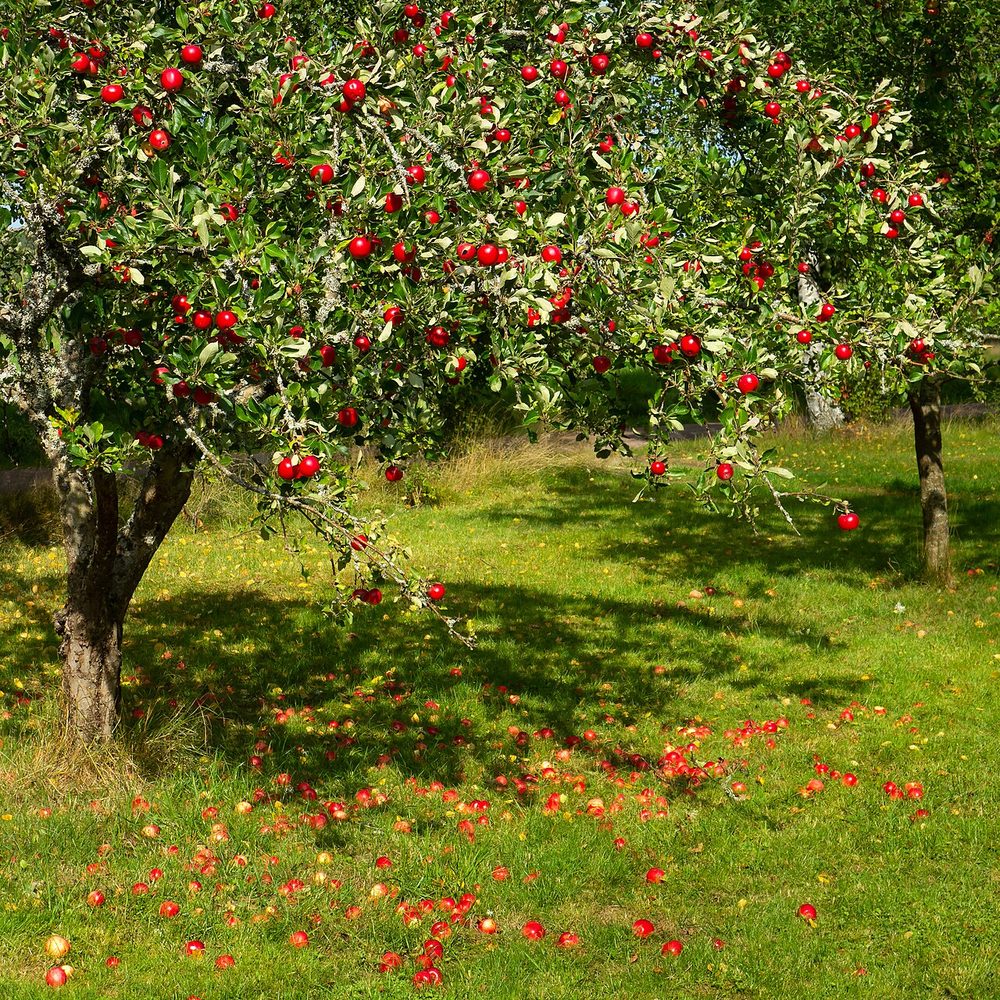
Apple
Photo: W.carter, CC0, via Wikimedia Commons

Apple

Malus domestica

Culinary — fruitDigestive HealthHeart Health

Every named variety descends from wild forests in Kazakhstan — and every one is a clone, carried down the centuries by grafting.
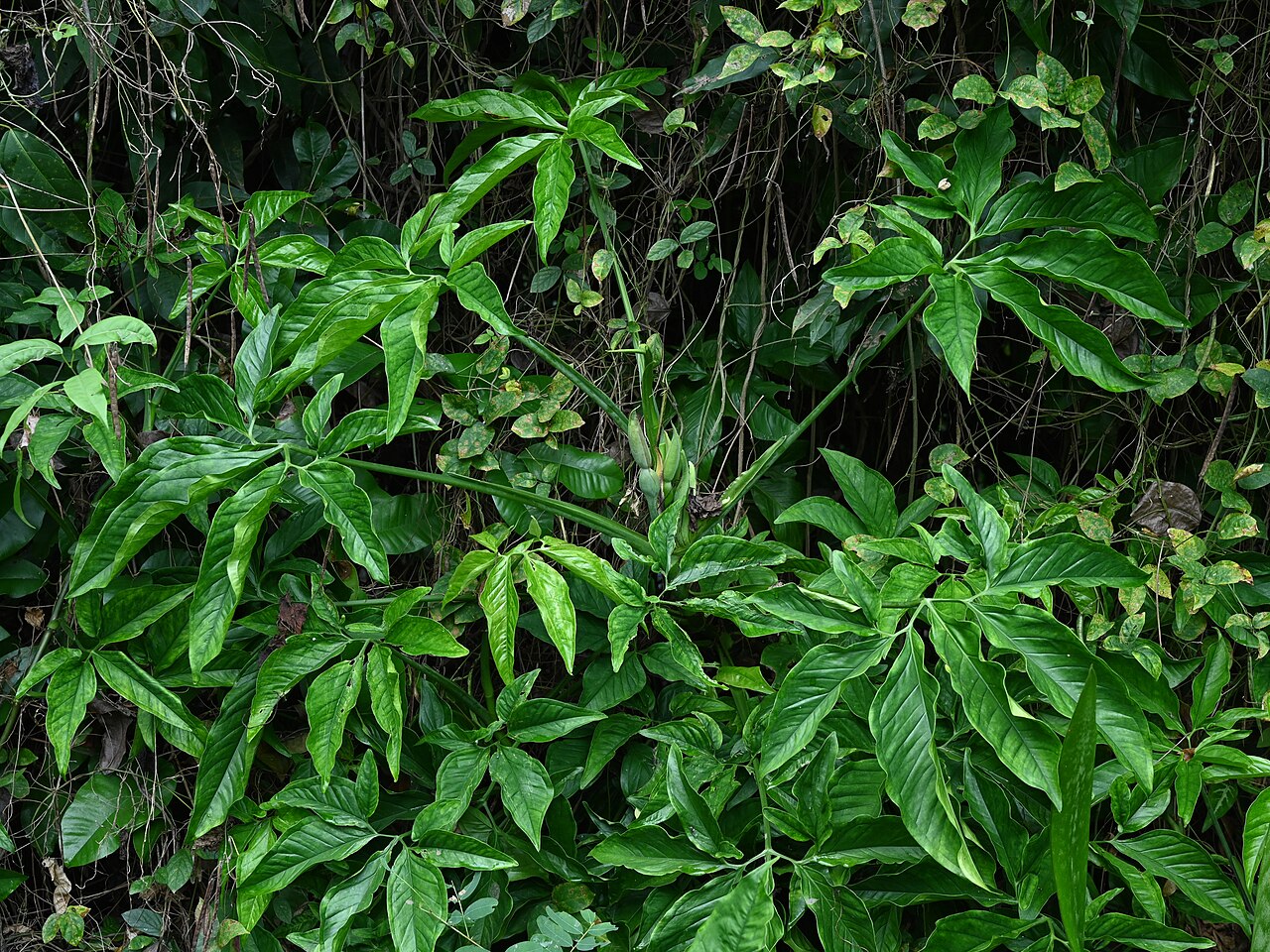
Arrowhead
Photo: Krzysztof Ziarnek, Kenraiz, CC BY-SA 4.0, via Wikimedia Commons

Arrowhead

Syngonium podophyllum 'Gold Allusion'

Ornamental

The 'Gold Allusion' form has golden-green, arrow-shaped leaves traced with pink veins.
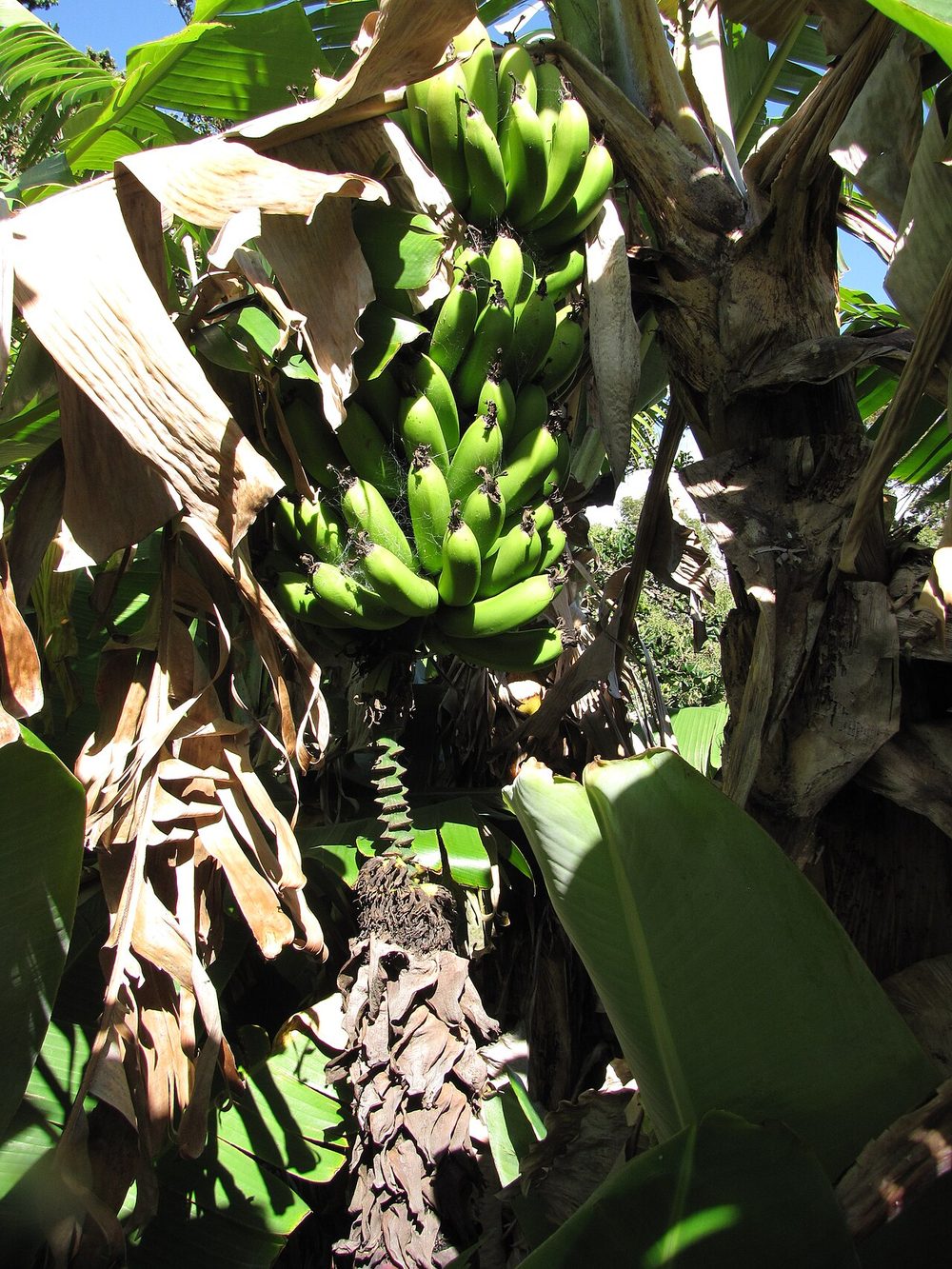
Banana
Photo: Forest and Kim Starr, CC BY 3.0, via Wikimedia Commons

Banana

Musa

Culinary — leaf, flower, fruitDigestive HealthHeart Health

A giant herb, not a tree — the fruit is seedless, and almost every banana in every shop is a clone of the Cavendish.
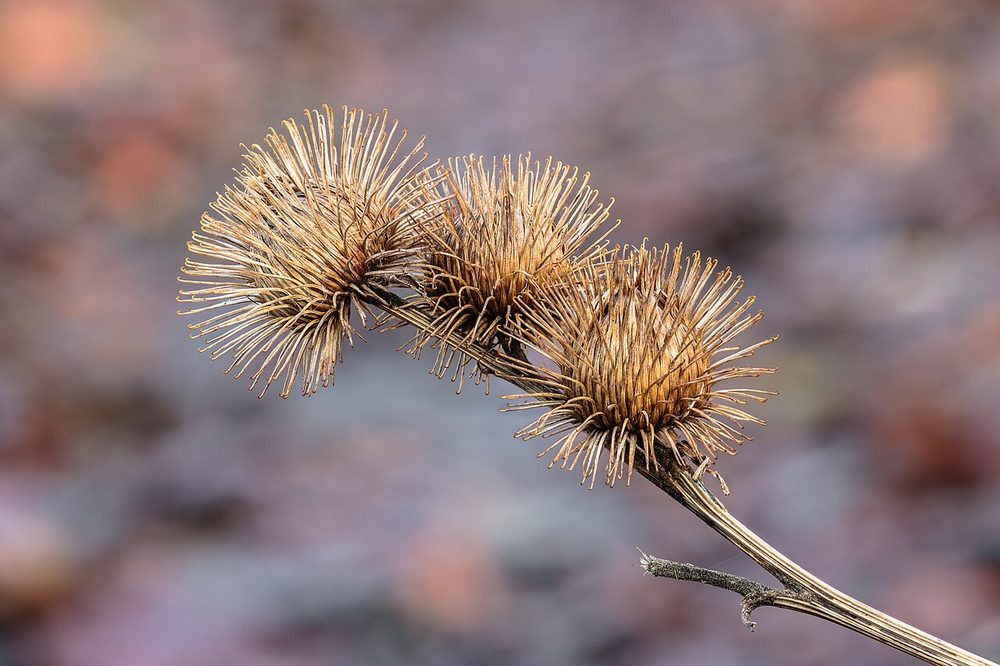
Burdock
Photo: Famberhorst, CC BY-SA 4.0, via Wikimedia Commons

Burdock

Arctium lappa

Medicinal · Culinary — rootSkin Health

A biennial of disturbed ground whose deep root is eaten as a vegetable in Japan, where it is called gobo.
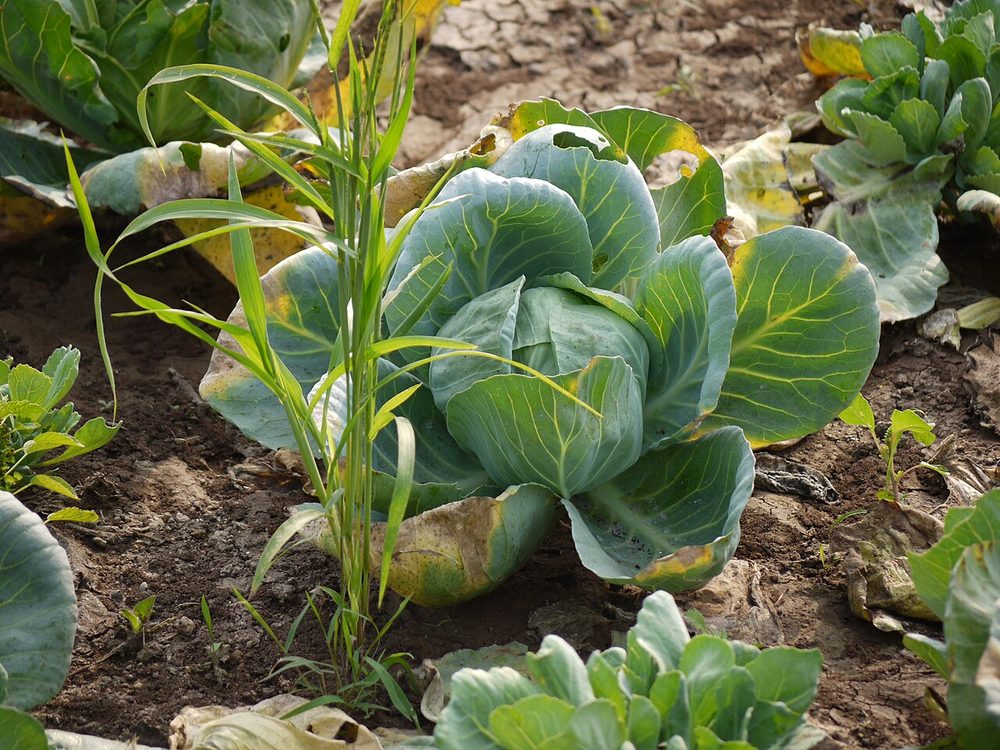
Cabbage
Photo: Dinesh Valke, CC BY-SA 2.0, via Wikimedia Commons

Cabbage

Brassica oleracea var. capitata

Culinary — leafDigestive Health

A cool-season leaf vegetable bred into a tight head — cheap, long-keeping, and made new again in the fermenting crock.
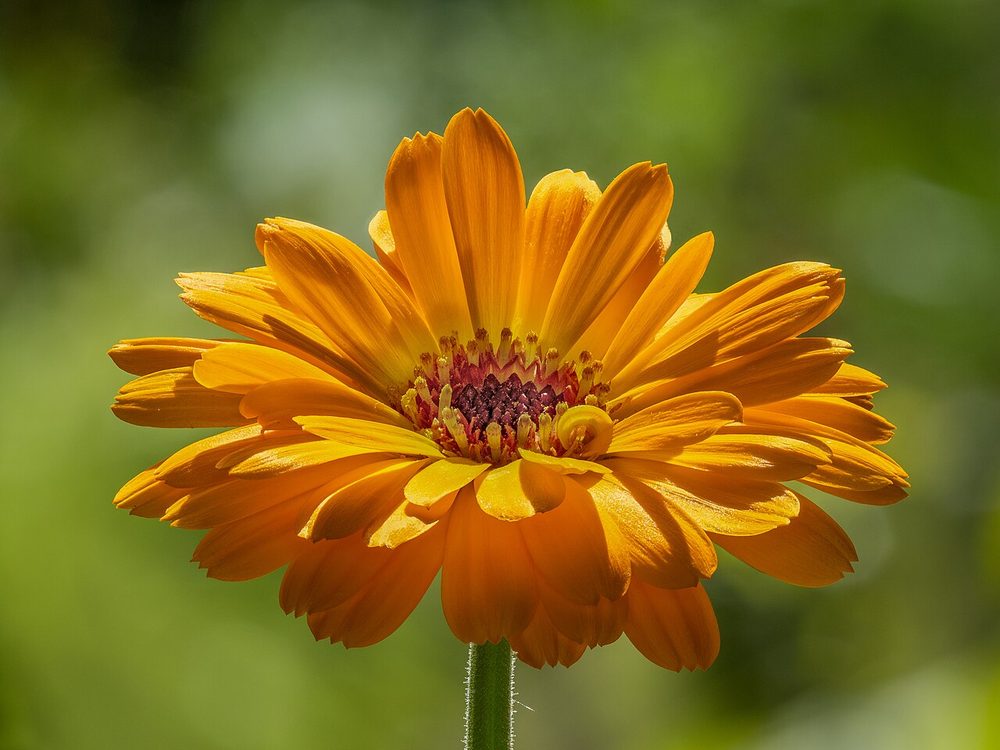
Calendula
Photo: Ermell, CC BY-SA 4.0, via Wikimedia Commons

Calendula

Calendula officinalis

Medicinal · Culinary — flowerSkin Health

The classic salve flower, in bloom from late spring to the first frosts.
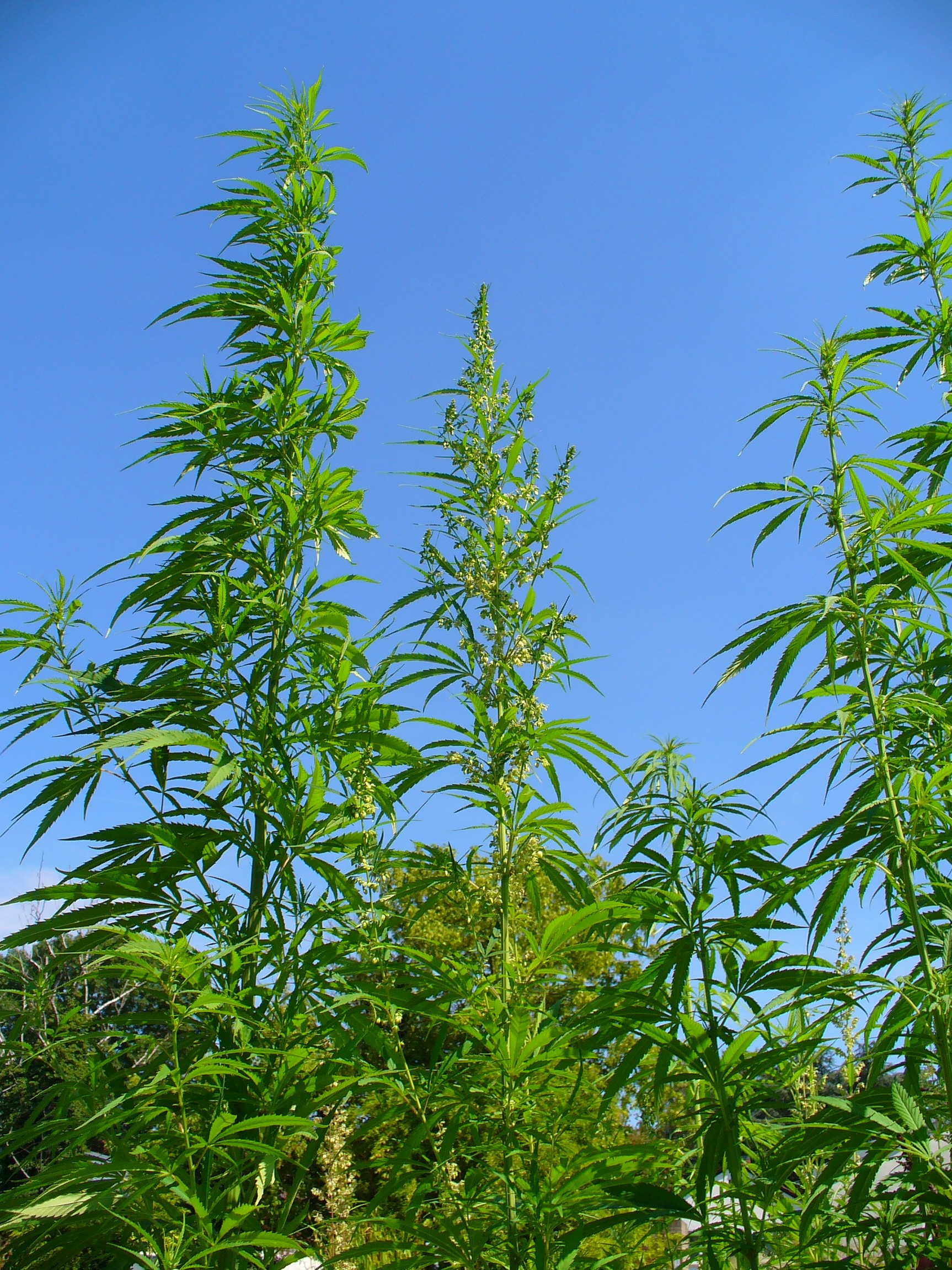
Cannabis
Photo: H. Zell, CC BY-SA 3.0, via Wikimedia Commons

Cannabis

Cannabis sativa

Medicinal · Culinary — flower, leaf, root, seedDigestive HealthMental Health

A tall, fast-growing annual in the hemp family, Cannabaceae — the same family as hops — native to Central Asia and now grown i…
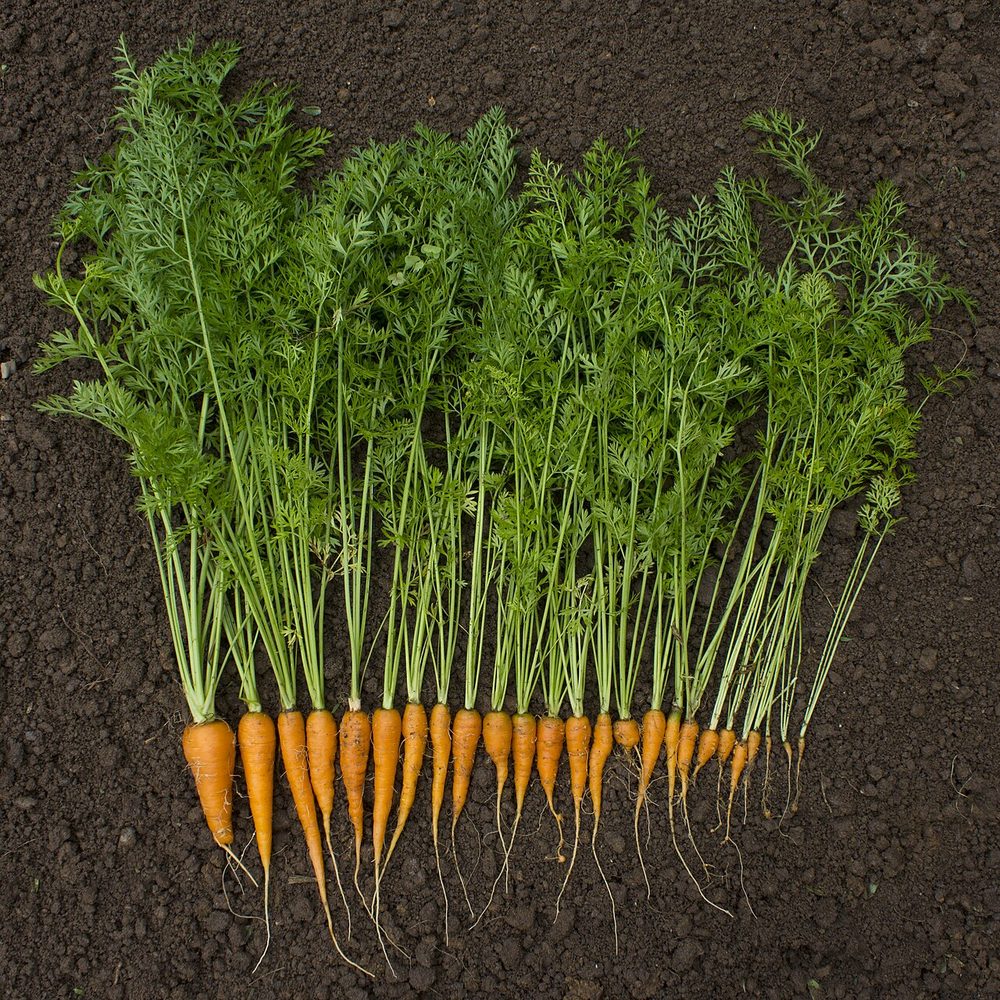
Carrot
Photo: woodleywonderworks, CC BY 2.0, via Wikimedia Commons

Carrot

Daucus carota subsp. sativus

Culinary — root, leafEye Health

A sweet storage root in the parsley family — purple and yellow first; the orange carrot arrived only in the 1600s.
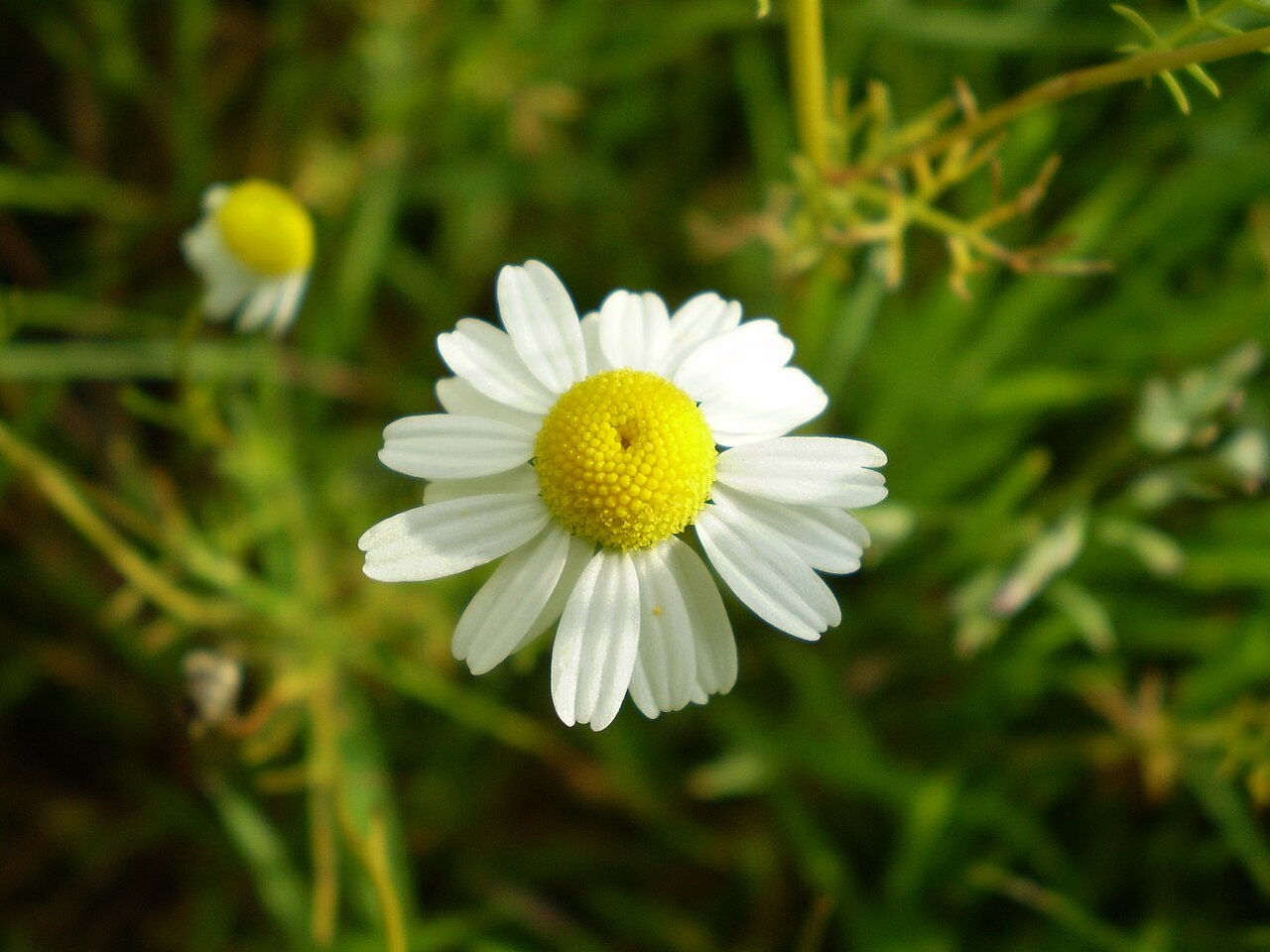
Chamomile
Photo: Rob Hille, Public domain, via Wikimedia Commons

Chamomile

Matricaria chamomilla

Medicinal · Culinary — flowerDigestive HealthSkin HealthMental Health

A feathery annual in the daisy family, native to Europe and western Asia, with small daisy-like flowers whose…
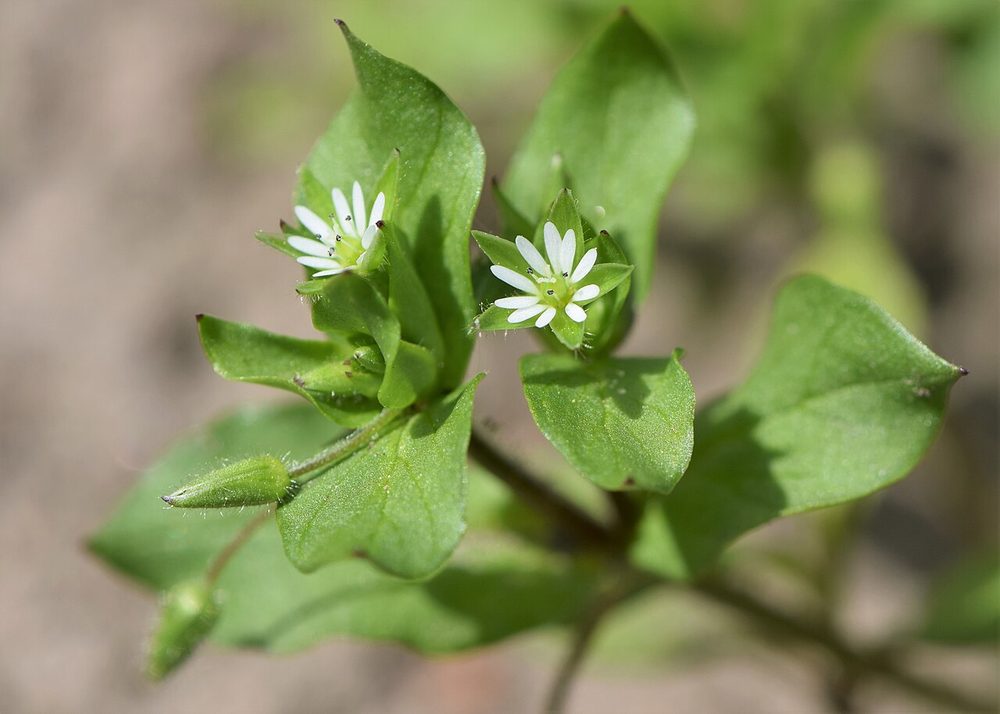
Chickweed
Photo: Krzysztof Ziarnek, Kenraiz, CC BY-SA 4.0, via Wikimedia Commons

Chickweed

Stellaria media

Medicinal · CulinaryDigestive HealthSkin Health

A low spring green eaten fresh, and used on the skin to soothe itching and irritation.
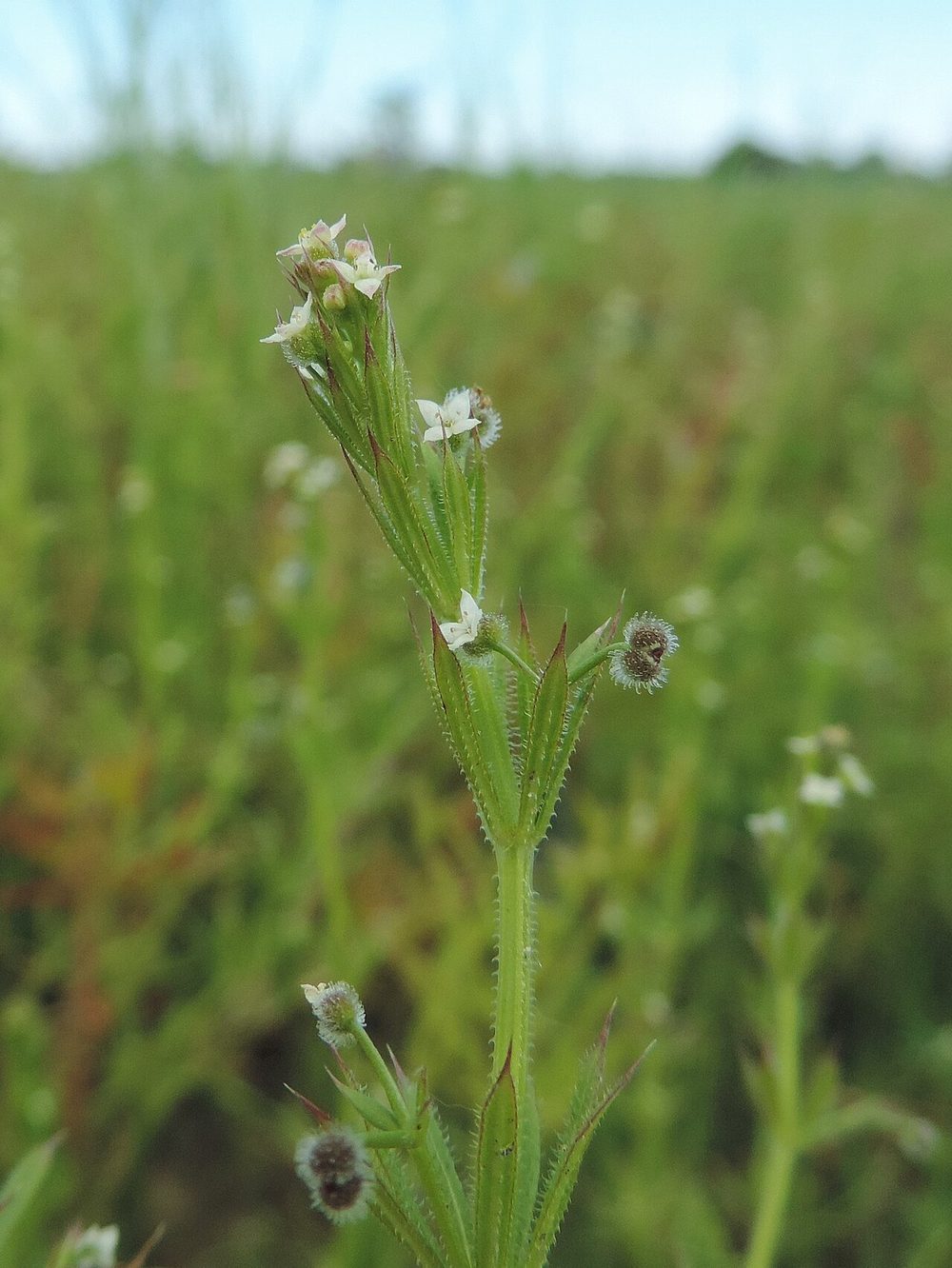
Cleavers
Photo: Krzysztof Ziarnek, Kenraiz, CC BY-SA 4.0, via Wikimedia Commons

Cleavers

Galium aparine

Medicinal · CulinarySkin Health

A scrambling spring herb, also called goosegrass, gathered fresh as a spring tonic.
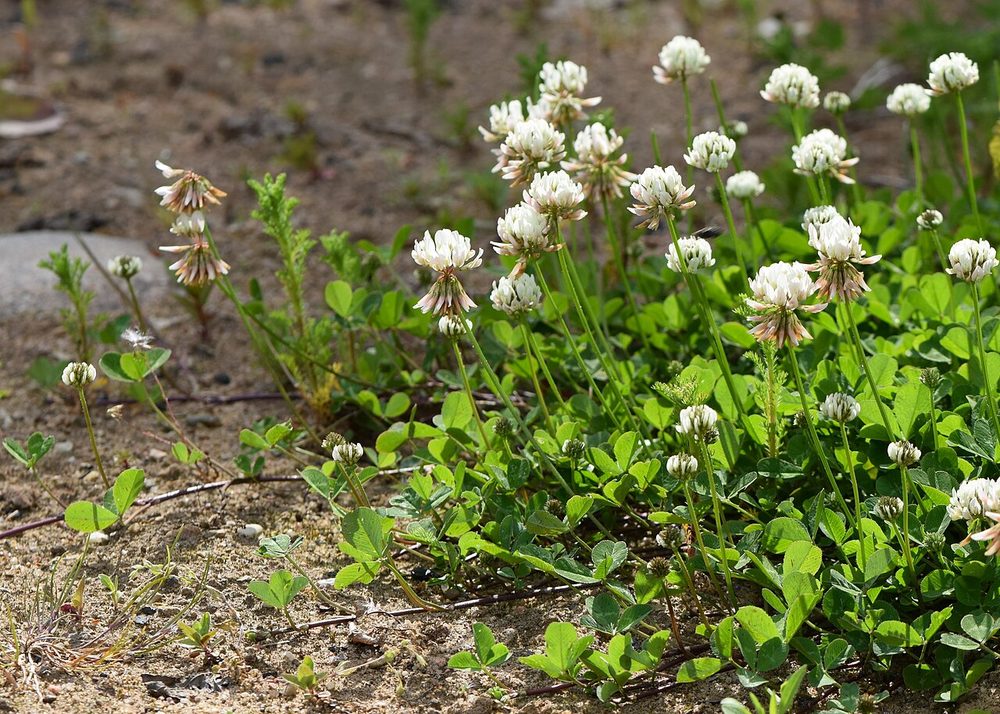
Clover
Photo: Krzysztof Ziarnek, Kenraiz, CC BY-SA 4.0, via Wikimedia Commons

Clover

Trifolium repens

Medicinal · Culinary — leaf, flower

White clover — a creeping perennial forming a soft green carpet in lawns and pastures, and not to be confused with red clover.
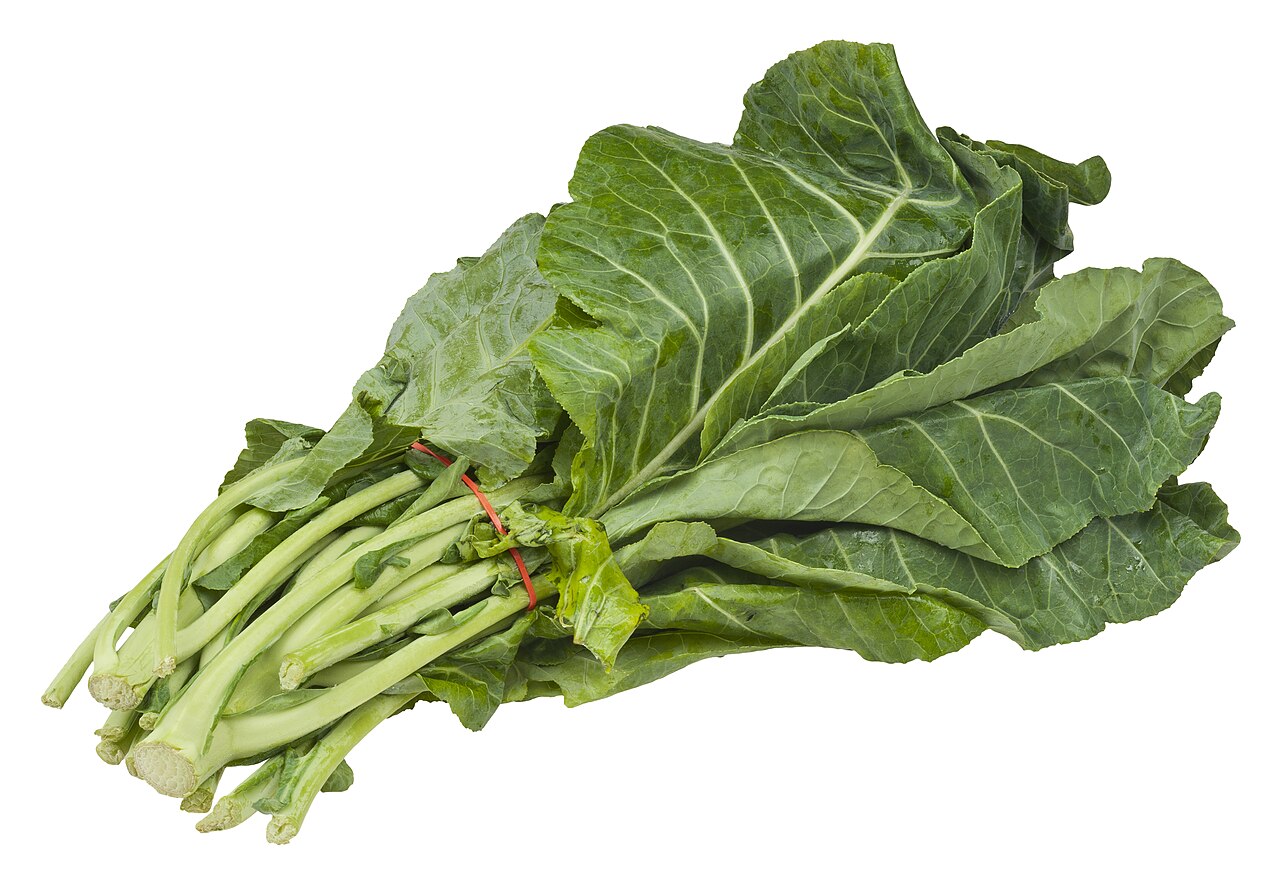
Collard Greens
Photo: Evan-Amos, Public domain, via Wikimedia Commons

Collard Greens

Brassica oleracea var. viridis

Culinary — leafEye HealthBone Health

A loose-leafed brassica that never learned to make a head — and never needed to.
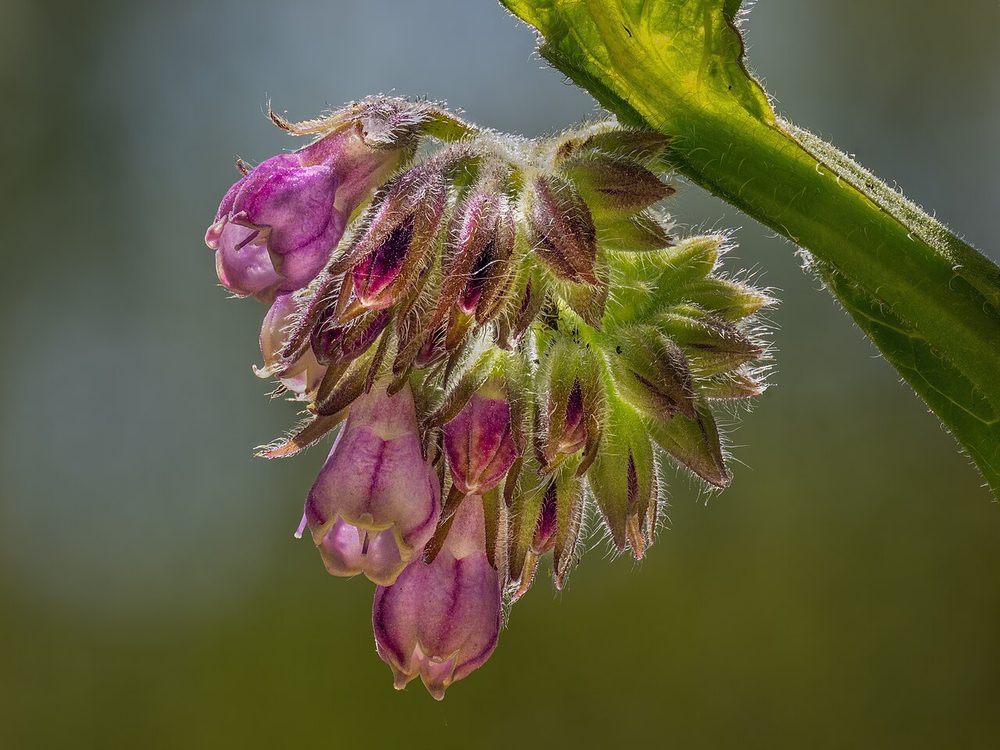
Comfrey
Photo: Reinhold Möller Ermell, CC BY-SA 4.0, via Wikimedia Commons

Comfrey

Symphytum officinale

Medicinal — external use onlySkin Health

For the skin only — never eat it. A traditional herb for minor sprains and bruises.
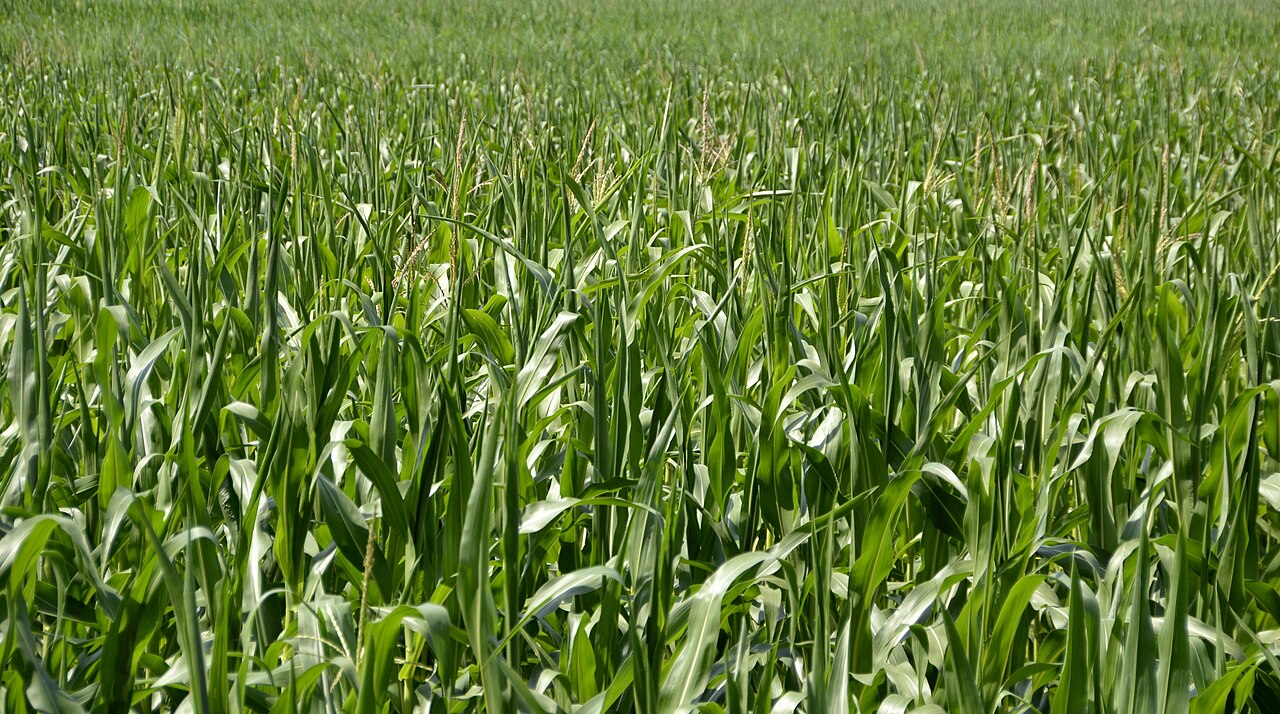
Corn
Photo: High Contrast, CC BY 3.0 de, via Wikimedia Commons

Corn

Zea mays

Culinary · Medicinal — flower, seedUrinary Health

First, the plain fact: corn is a grain.
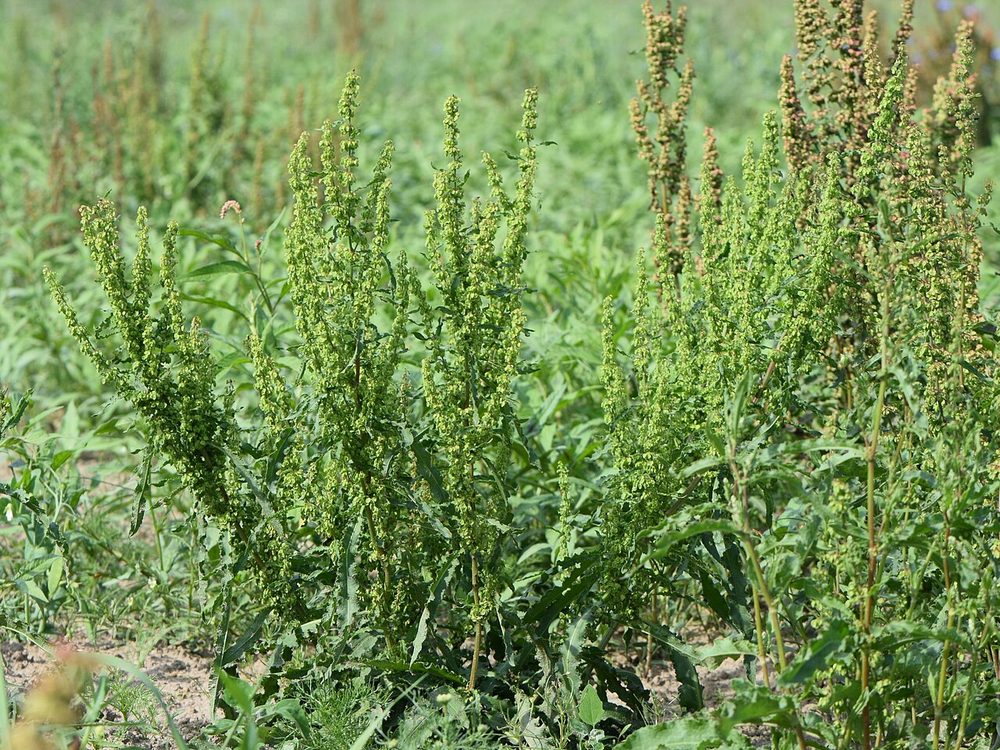
Curly Dock
Photo: Krzysztof Ziarnek, Kenraiz, CC BY-SA 4.0, via Wikimedia Commons

Curly Dock

Rumex crispus

Medicinal — rootDigestive Health

Also called Yellow Dock. A deep-rooted plant whose root is a traditional gentle laxative.
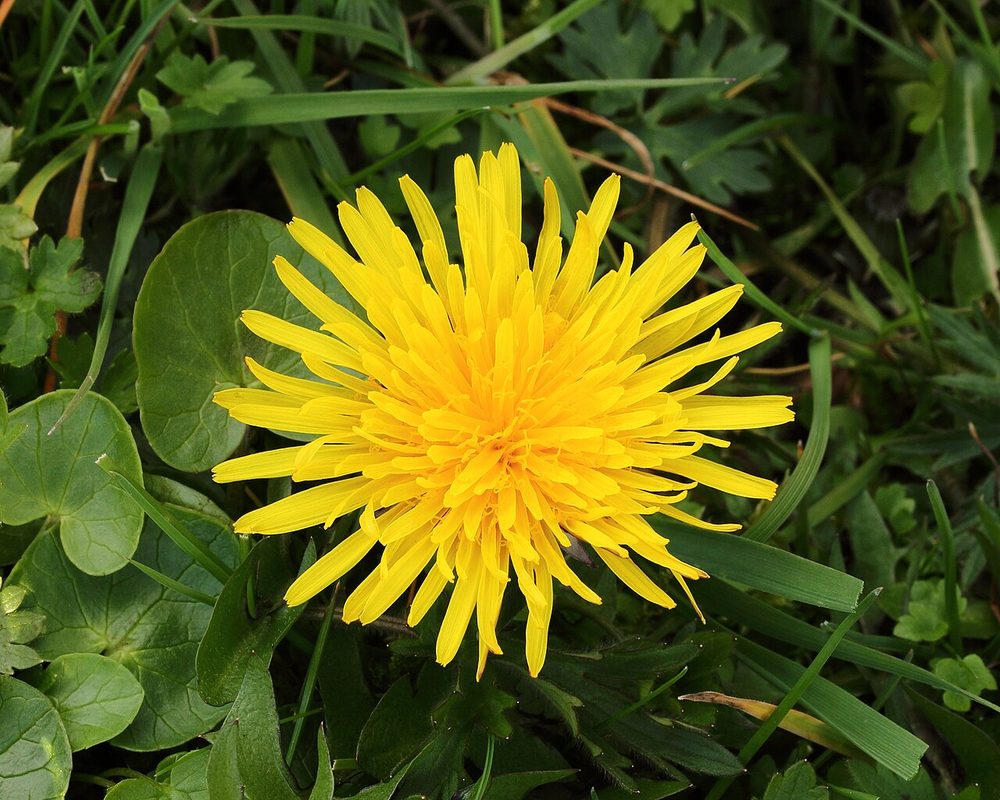
Dandelion
Photo: Dominicus Johannes Bergsma, CC BY-SA 3.0, via Wikimedia Commons

Dandelion

Taraxacum officinale

Medicinal · Culinary — root, leaf, flowerDigestive HealthUrinary Health

A daisy-family perennial where the whole plant is used — leaves, root and flowers are all food.
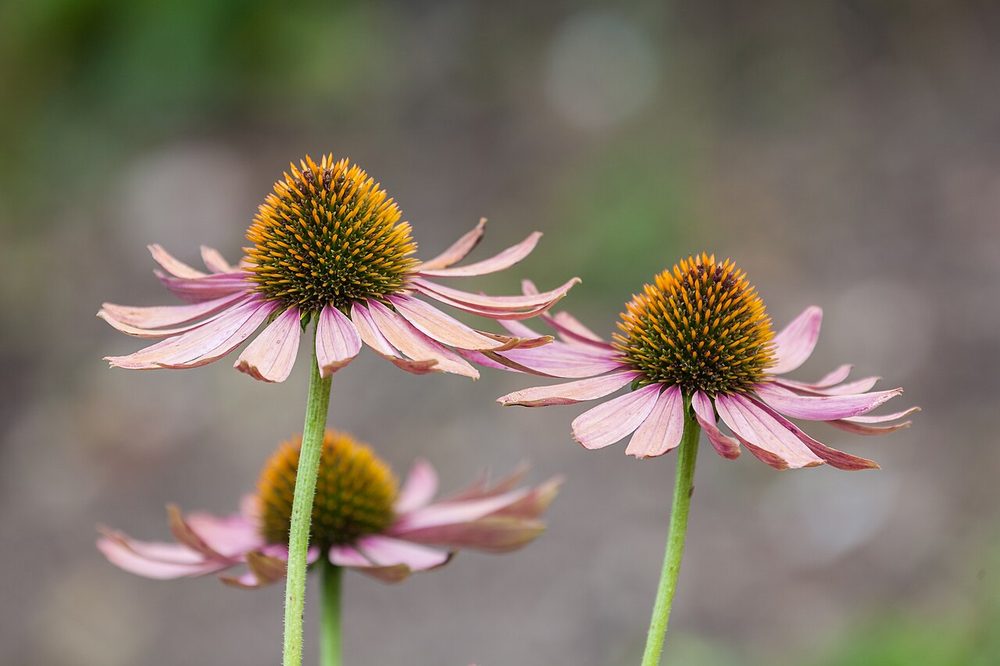
Echinacea
Photo: Diego Delso, CC BY-SA 3.0, via Wikimedia Commons

Echinacea

Echinacea purpurea

Medicinal — rootImmune HealthSkin Health

Purple coneflower — a prairie native, and the herb most people reach for at the first sign of a cold.
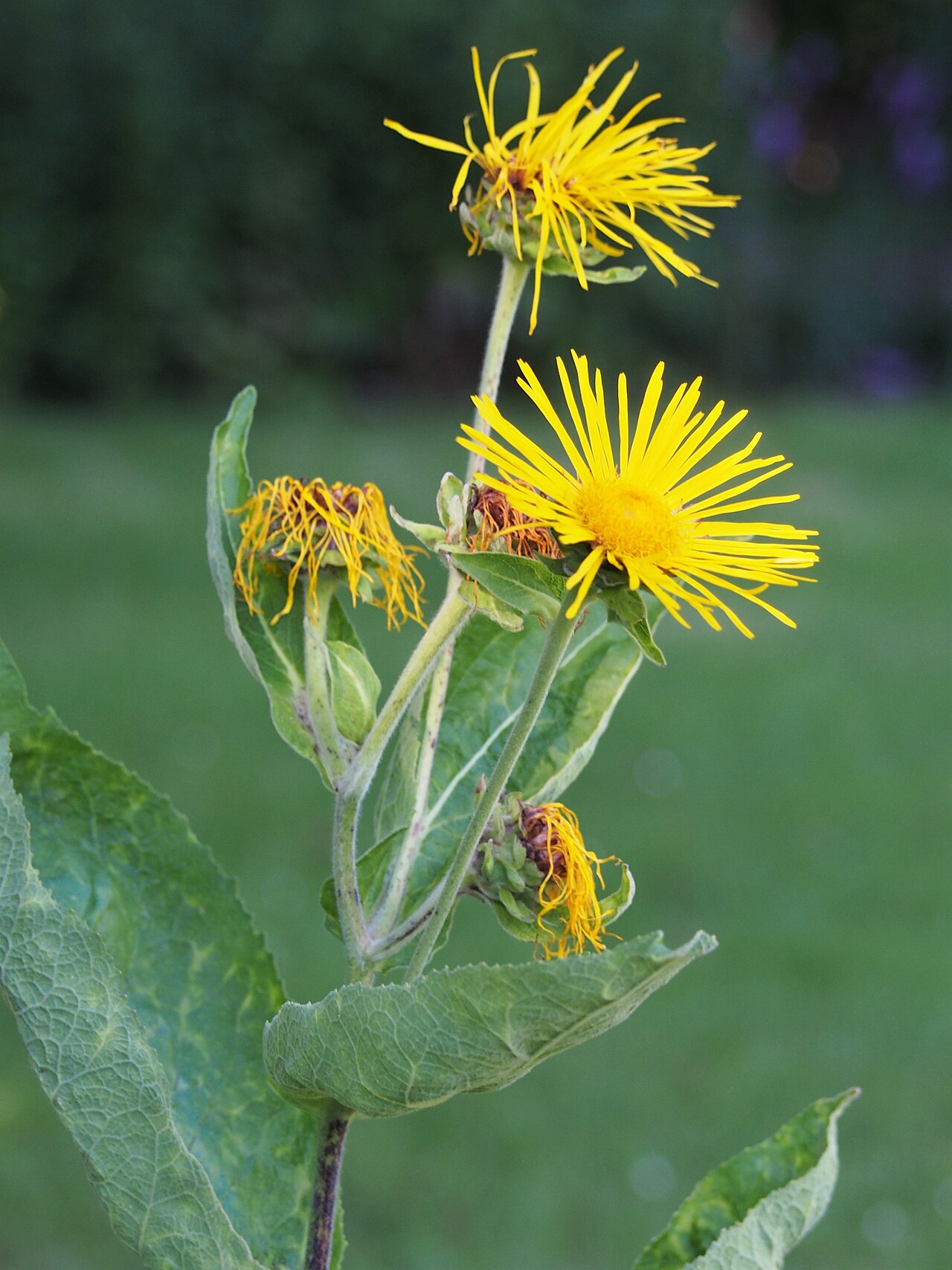
Elecampane
Photo: Agnieszka Kwiecień, Nova, CC BY-SA 4.0, via Wikimedia Commons

Elecampane

Inula helenium

Medicinal — rootRespiratory Health

A tall, bold daisy-family perennial from Europe and western Asia — big leaves, yellow sunflower-like heads, and a thick, aromatic root.
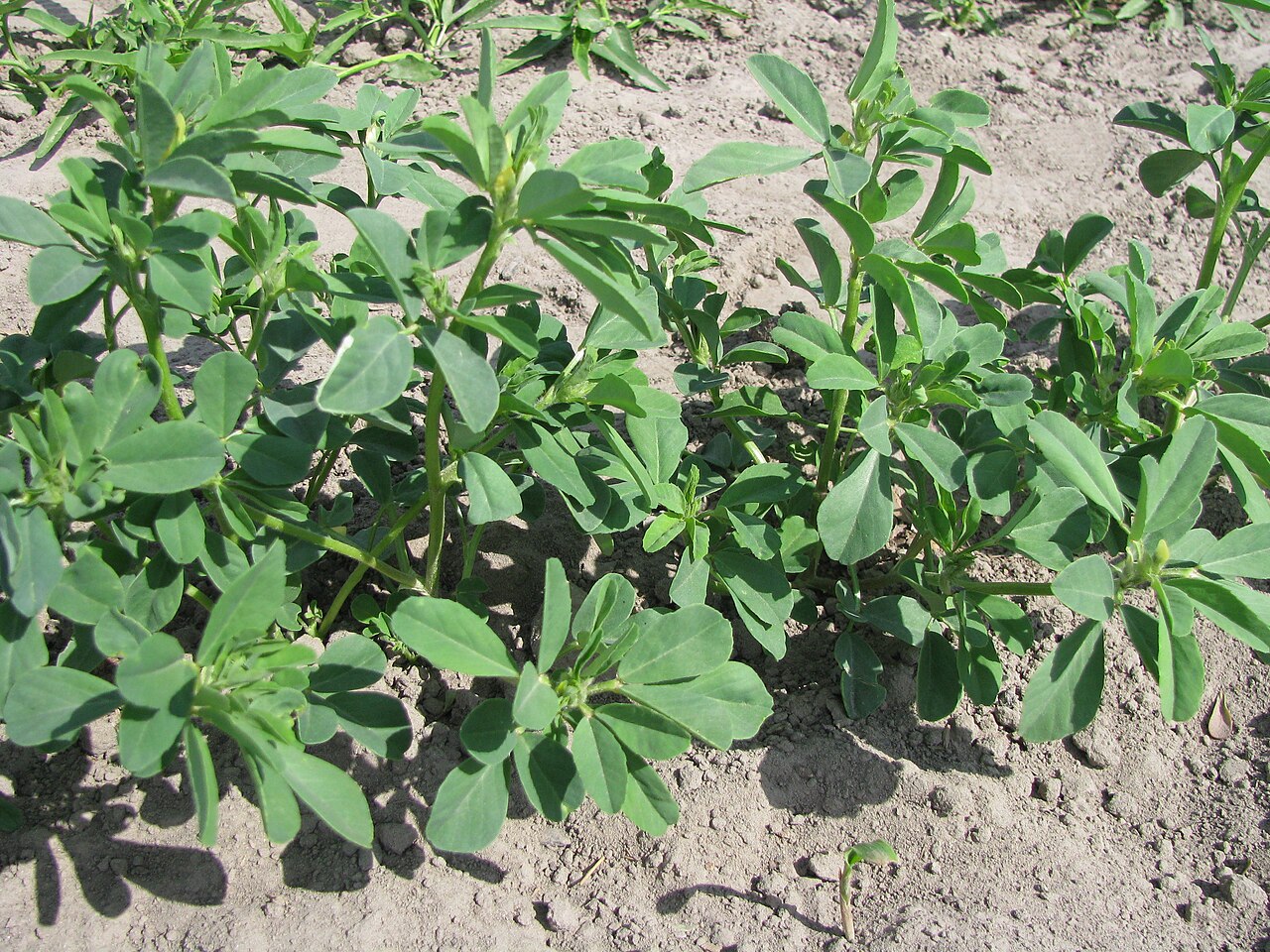
Fenugreek
Photo: Zenon Sych, CC BY-SA 4.0, via Wikimedia Commons

Fenugreek

Trigonella foenum-graecum

Medicinal · Culinary — leaf, seedBlood Sugar Health

One of the oldest cultivated plants in the world — a small legume of the Mediterranean and western Asia, grown since the Bronze Age.
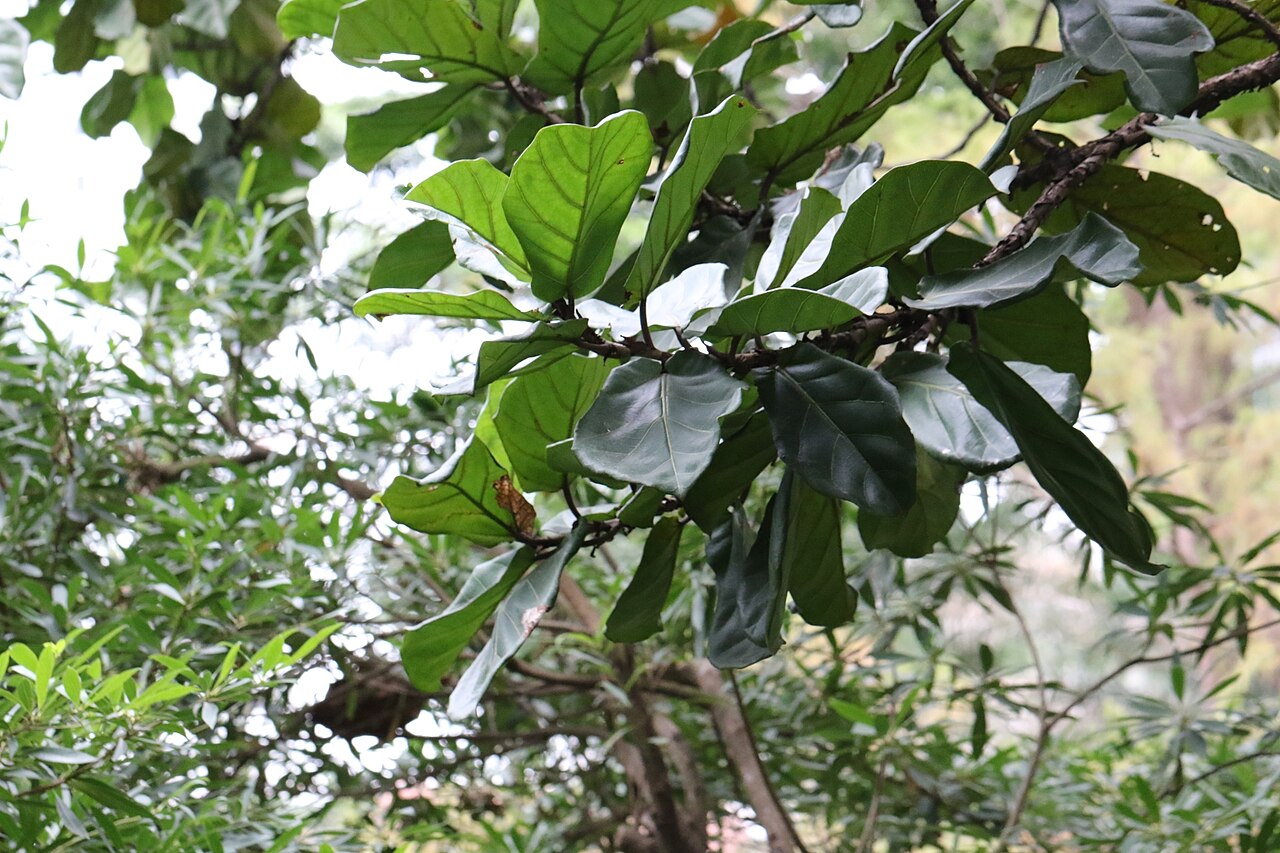
Fiddle Leaf Fig
Photo: Agnes Trekker, CC0, via Wikimedia Commons

Fiddle Leaf Fig

Ficus lyrata

Ornamental

A rainforest tree from western Africa with enormous, violin-shaped leaves.
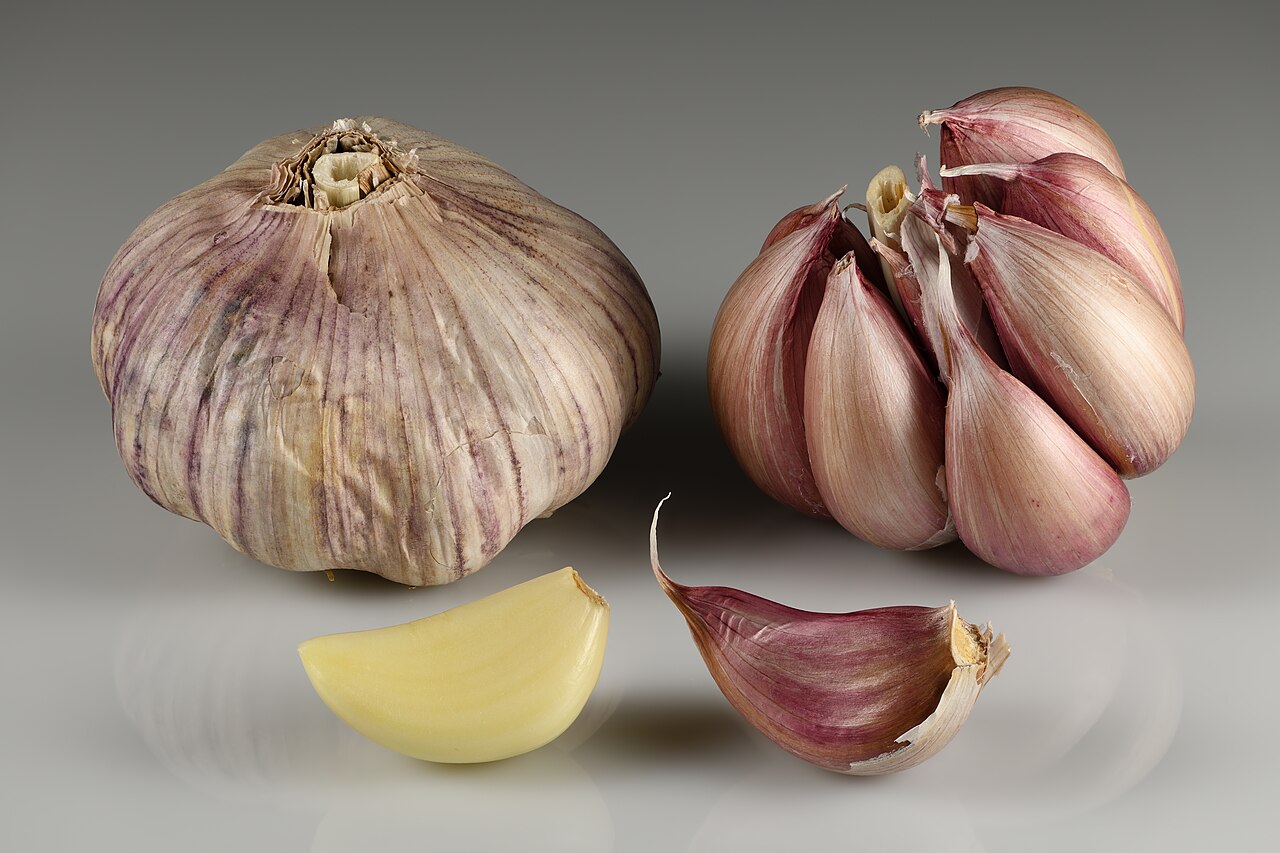
Garlic
Photo: Ivar Leidus, CC BY-SA 4.0, via Wikimedia Commons

Garlic

Allium sativum

Culinary · Medicinal — rootHeart Health

A bulb of the onion family, and one of the oldest flavourings in the world — a plant people have grown for at least…
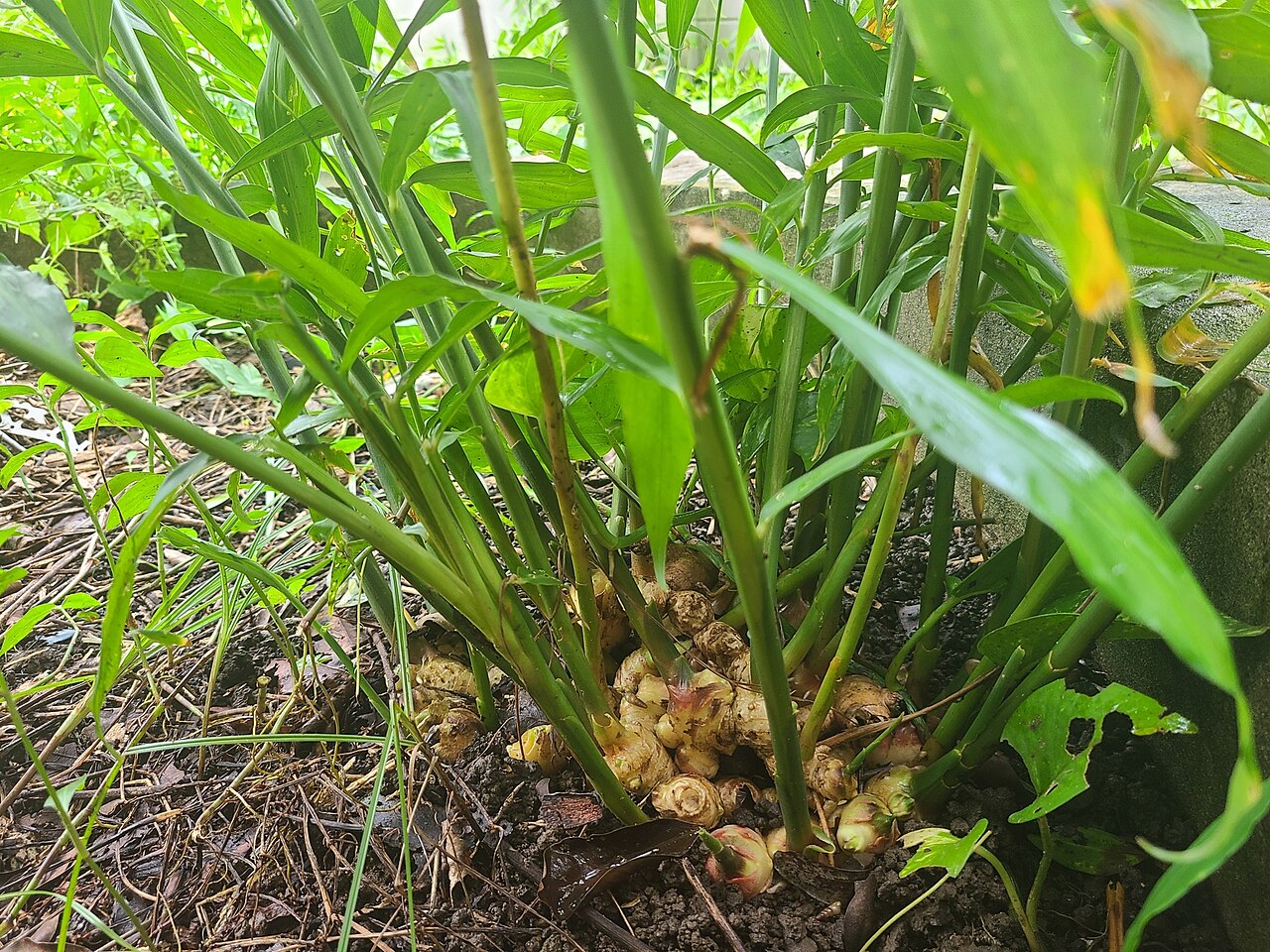
Ginger
Photo: ritirene, CC BY 4.0, via Wikimedia Commons

Ginger

Zingiber officinale

Culinary · Medicinal — rootDigestive Health

The knobbly "root" in the produce aisle is not a root at all — it is a rhizome, a thick underground stem that creeps sideways through the…
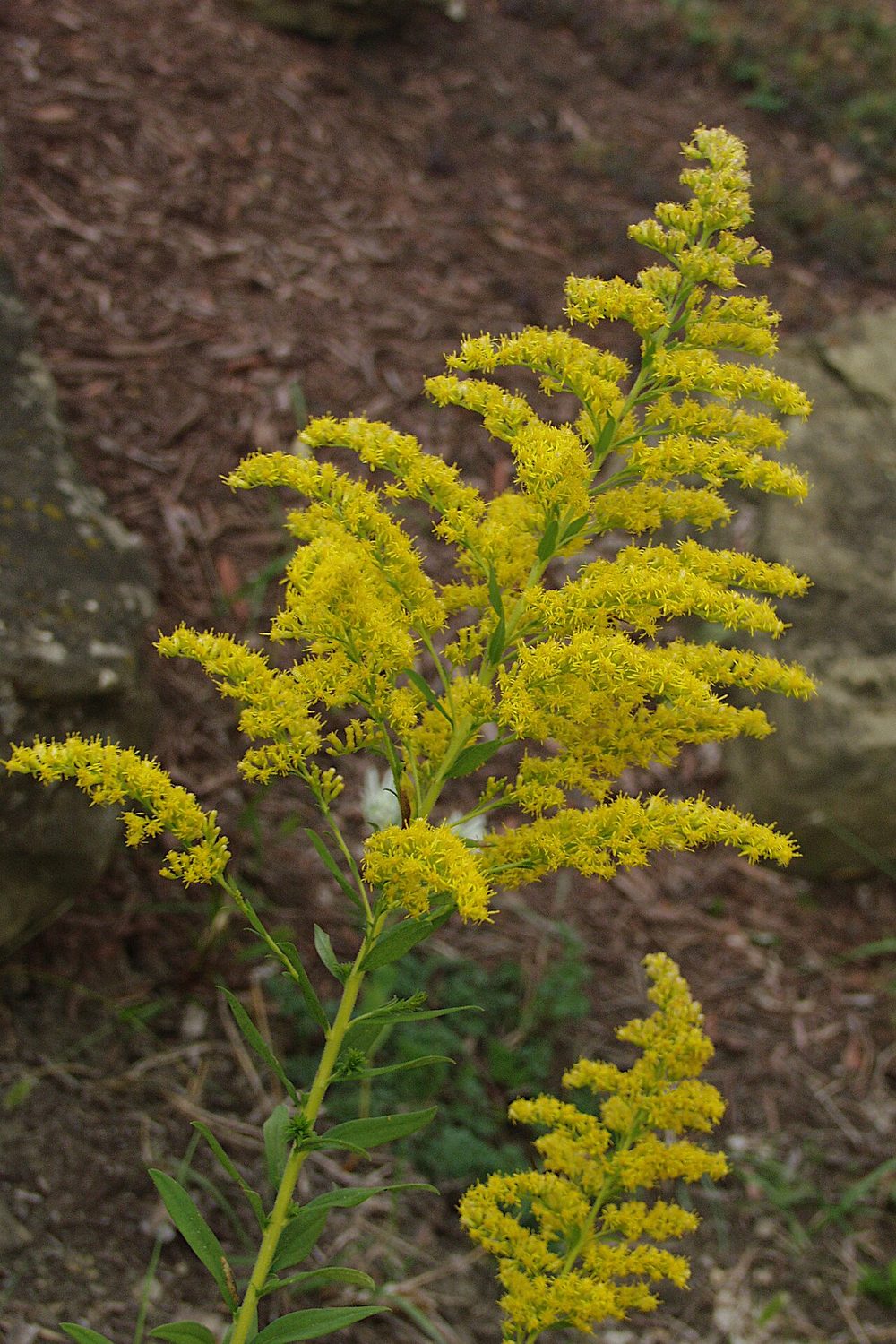
Goldenrod
Photo: Cbaile19, CC0, via Wikimedia Commons

Goldenrod

Solidago spp.

MedicinalUrinary Health

A late-season flower of great value to bees and migrating butterflies, traditionally used as a urinary tea.
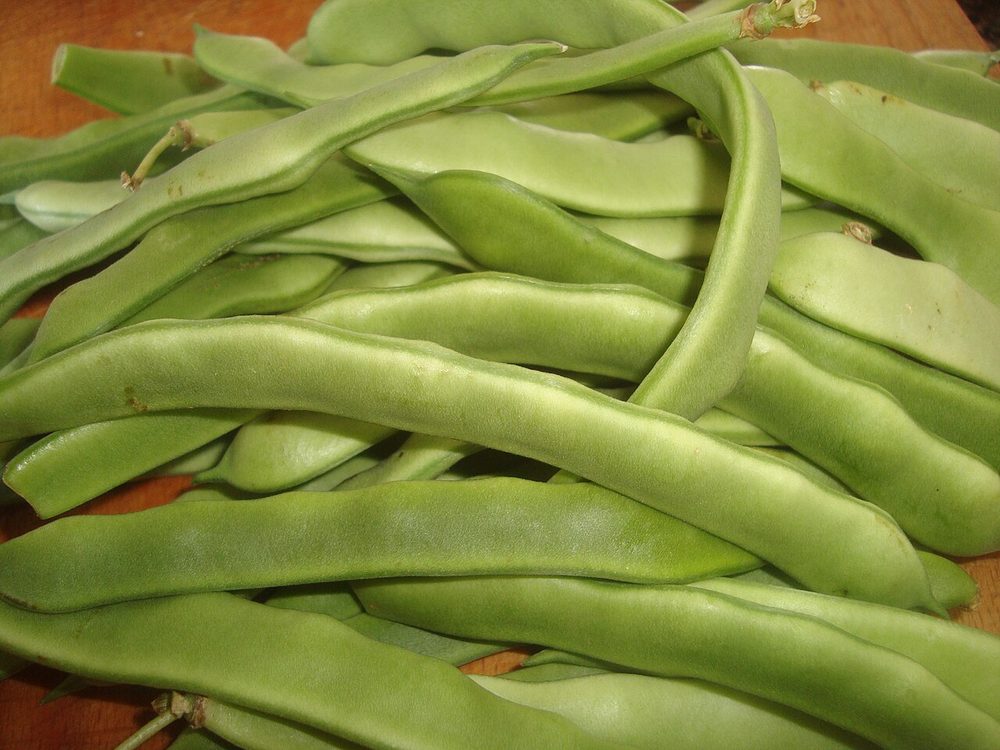
Green Beans
Photo: Juan Emilio Prades Bel, CC BY 4.0, via Wikimedia Commons

Green Beans

Phaseolus vulgaris

Culinary — fruit, seedDigestive Health

The young, tender pod of the common bean — picked weeks early and eaten pod and all, before the seeds inside have swelled.
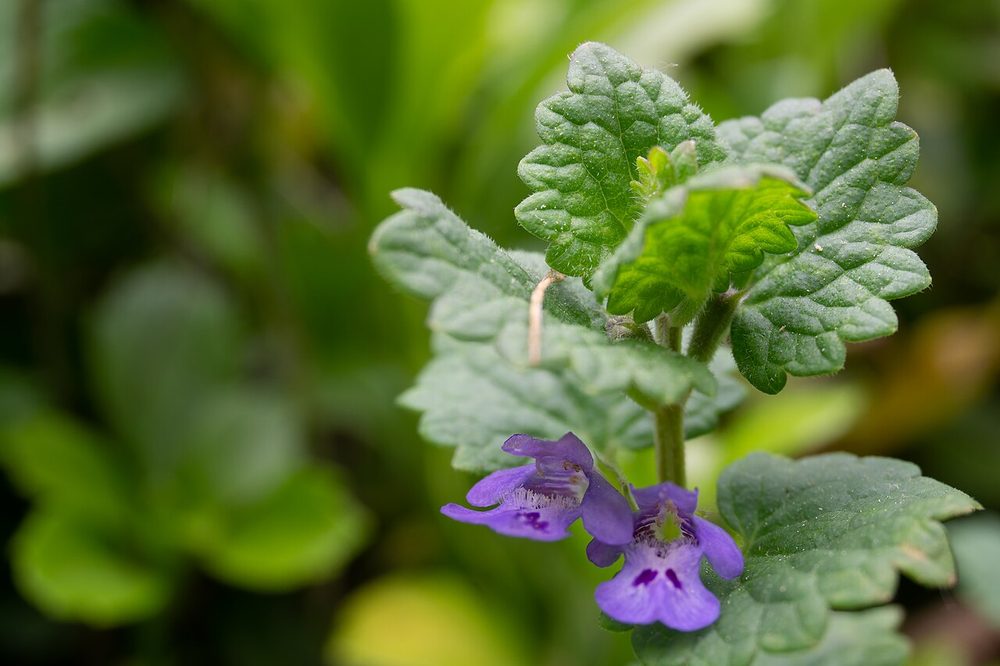
Ground Ivy
Photo: Jasper Shide, CC0, via Wikimedia Commons

Ground Ivy

Glechoma hederacea

Medicinal · CulinaryDigestive HealthSkin Health

An evergreen ground cover for shade, once used to flavour ale before hops took over.
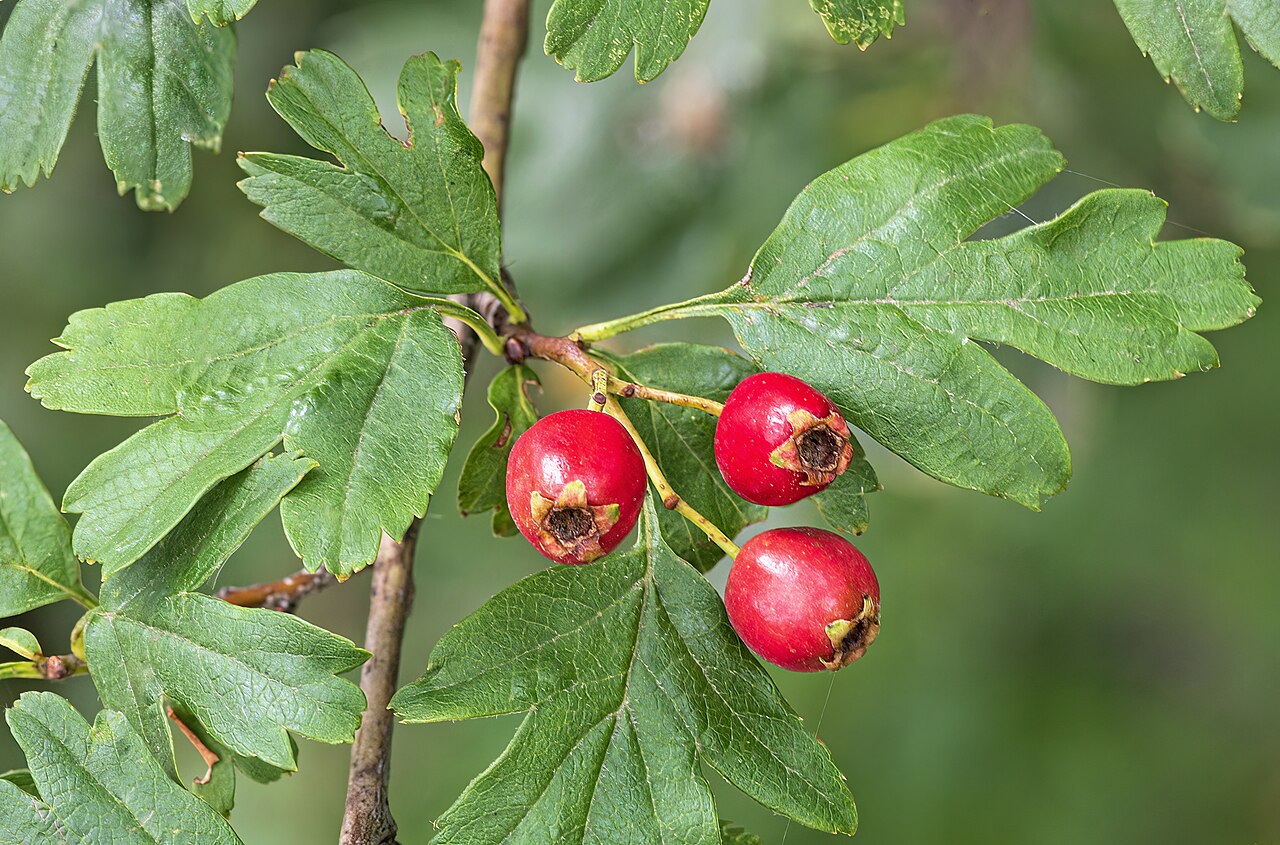
Hawthorn
Photo: Didier Descouens, CC BY-SA 4.0, via Wikimedia Commons

Hawthorn

Crataegus monogyna / C. laevigata

Medicinal · Culinary — leaf, flower, fruitHeart Health

A thorny hedgerow tree native across Europe — common hawthorn and its close cousin the Midland hawthorn — white with blossom in May and red with berries in autumn.
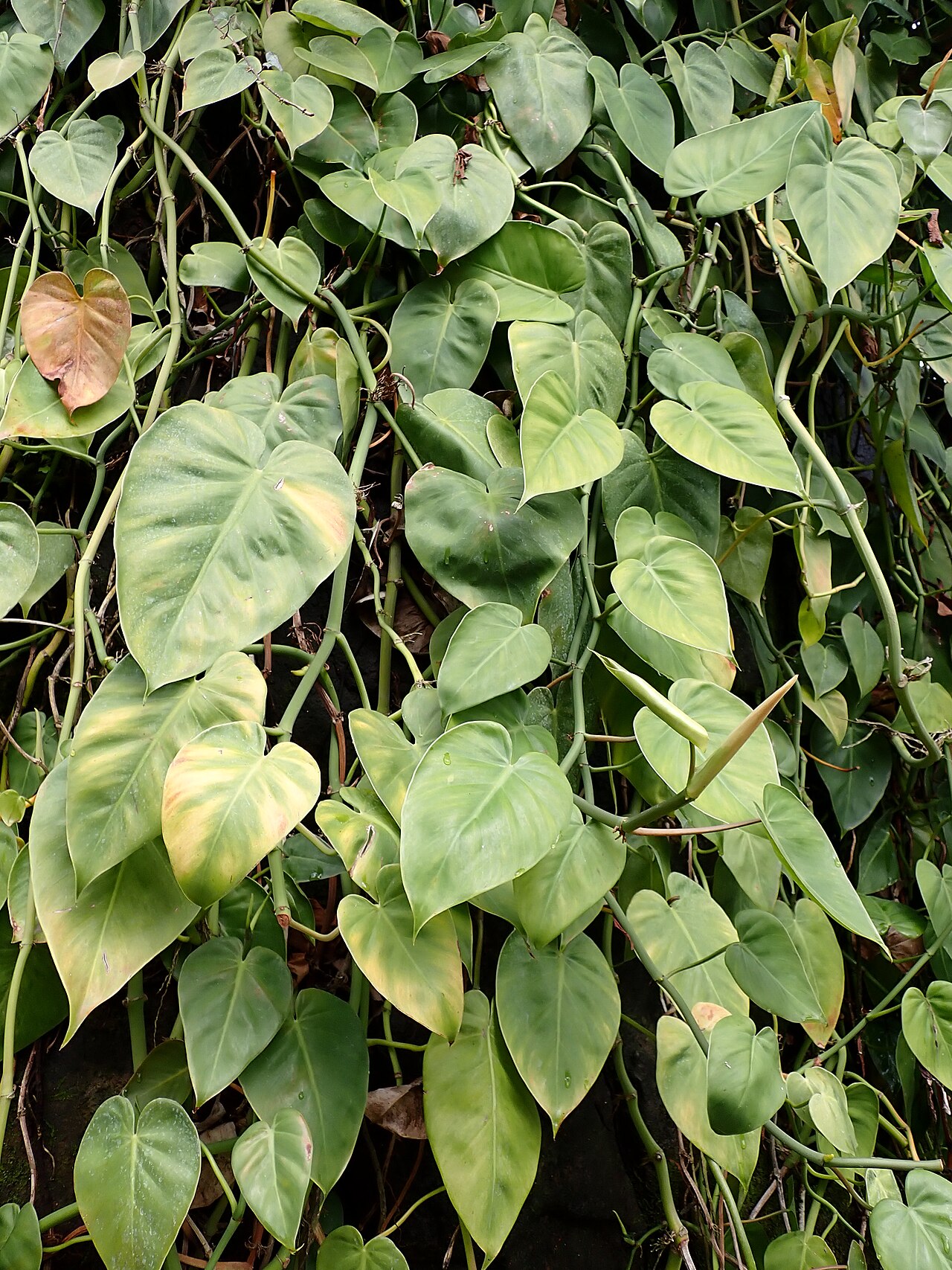
Heartleaf Philodendron
Photo: Krzysztof Ziarnek, Kenraiz, CC BY-SA 4.0, via Wikimedia Commons

Heartleaf Philodendron

Philodendron hederaceum

Ornamental

The sweetheart plant: a trailing or climbing vine with glossy, heart-shaped leaves, two to four inches across, that unfold bronze and settle to deep green.
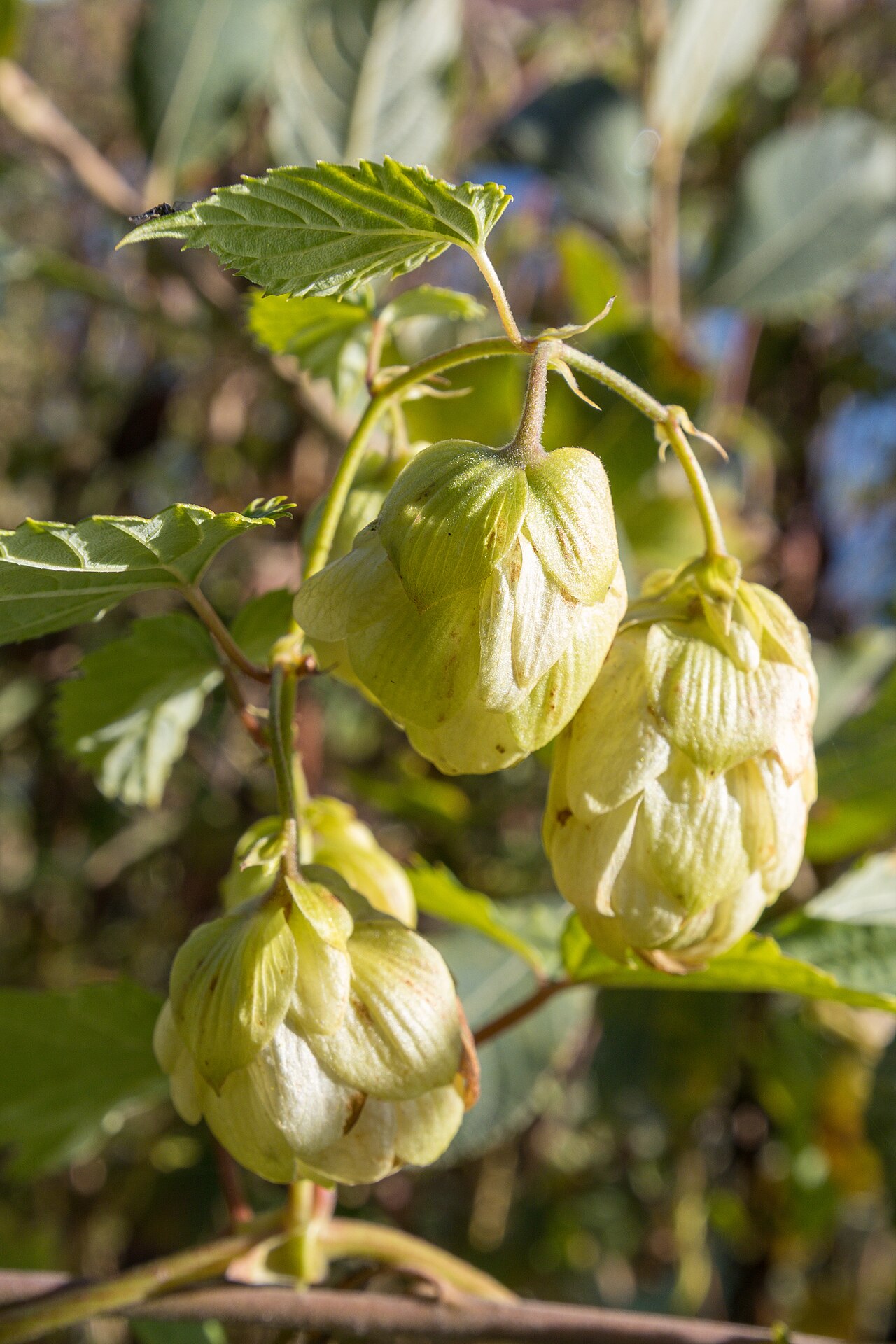
Hops
Photo: JackyM59, CC BY-SA 4.0, via Wikimedia Commons

Hops

Humulus lupulus

Medicinal · Culinary — flowerMental HealthHormone Health

A vigorous perennial climbing plant — a bine, twisting clockwise up any support — native across Europe, western Asia and North…
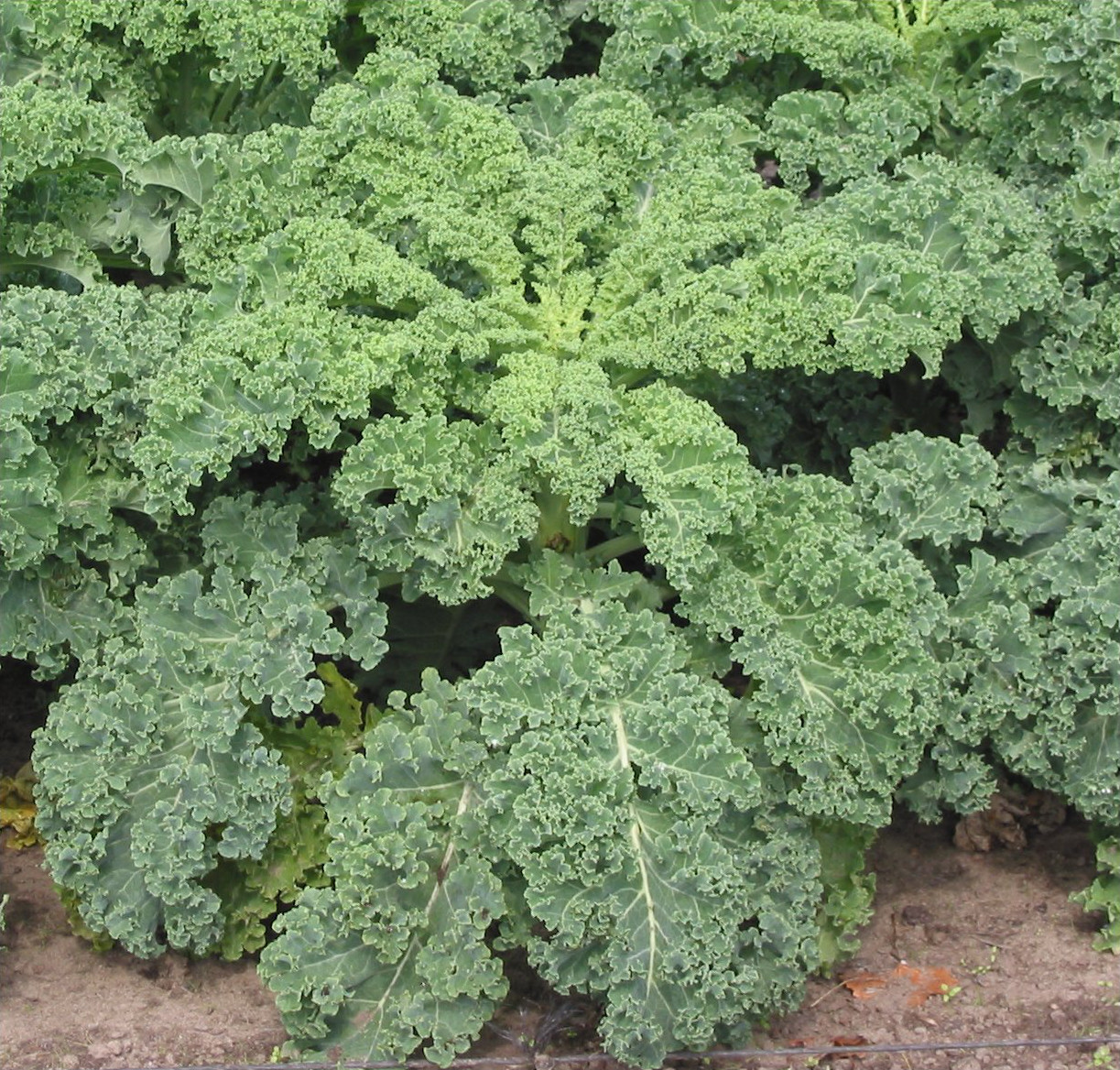
Kale
Photo: Rasbak, CC BY-SA 3.0, via Wikimedia Commons

Kale

Brassica oleracea (Acephala Group)

Culinary — leafEye HealthBone Health

Kale is what cabbage was before it learned to fold.
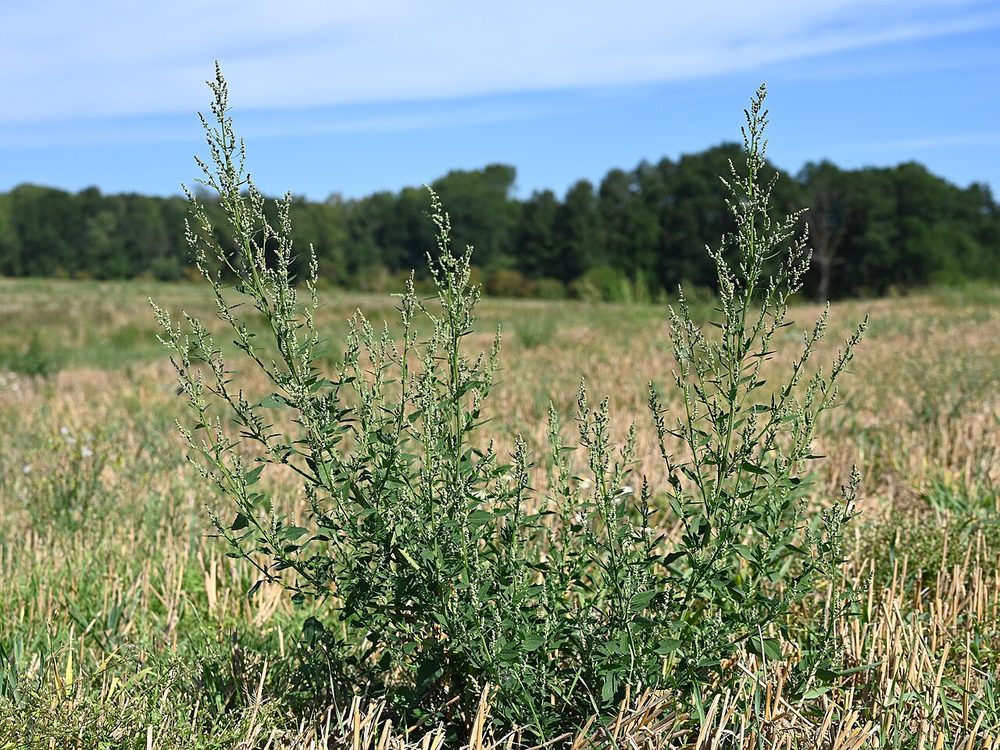
Lamb's Quarters
Photo: Krzysztof Ziarnek, Kenraiz, CC BY-SA 4.0, via Wikimedia Commons

Lamb's Quarters

Chenopodium album

Culinary · Medicinal — leaf, seedSkin HealthBone Health

A wild spinach — leaves rich in vitamins A, C and K, and seeds eaten like a grain.
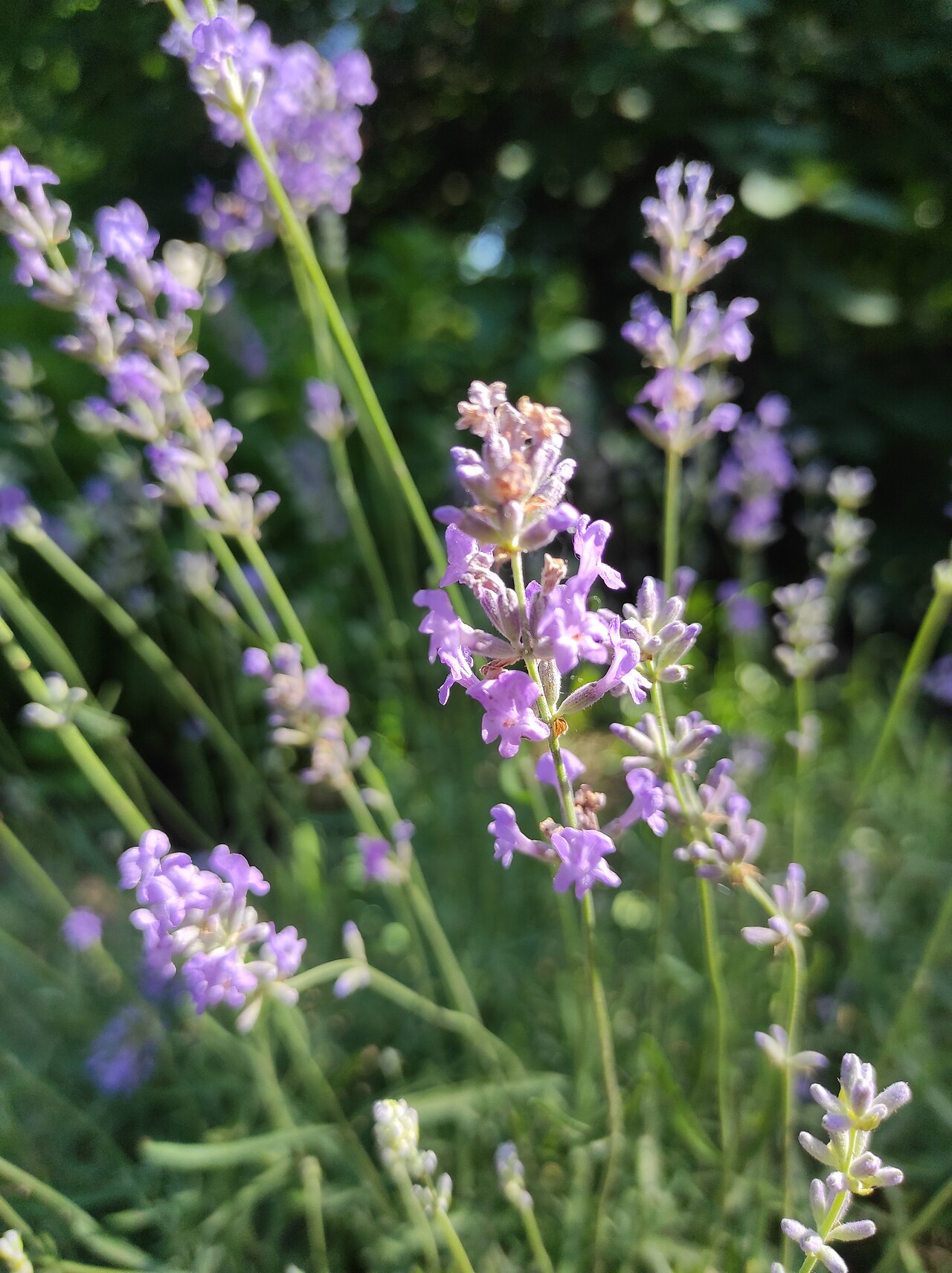
Lavender
Photo: Валерія Матвєєва, CC0, via Wikimedia Commons

Lavender

Lavandula angustifolia

Medicinal · Culinary — flowerMental Health

A compact, grey-leaved shrub from the dry hills of the Mediterranean, in the mint family, grown for its spikes of violet buds — the part…
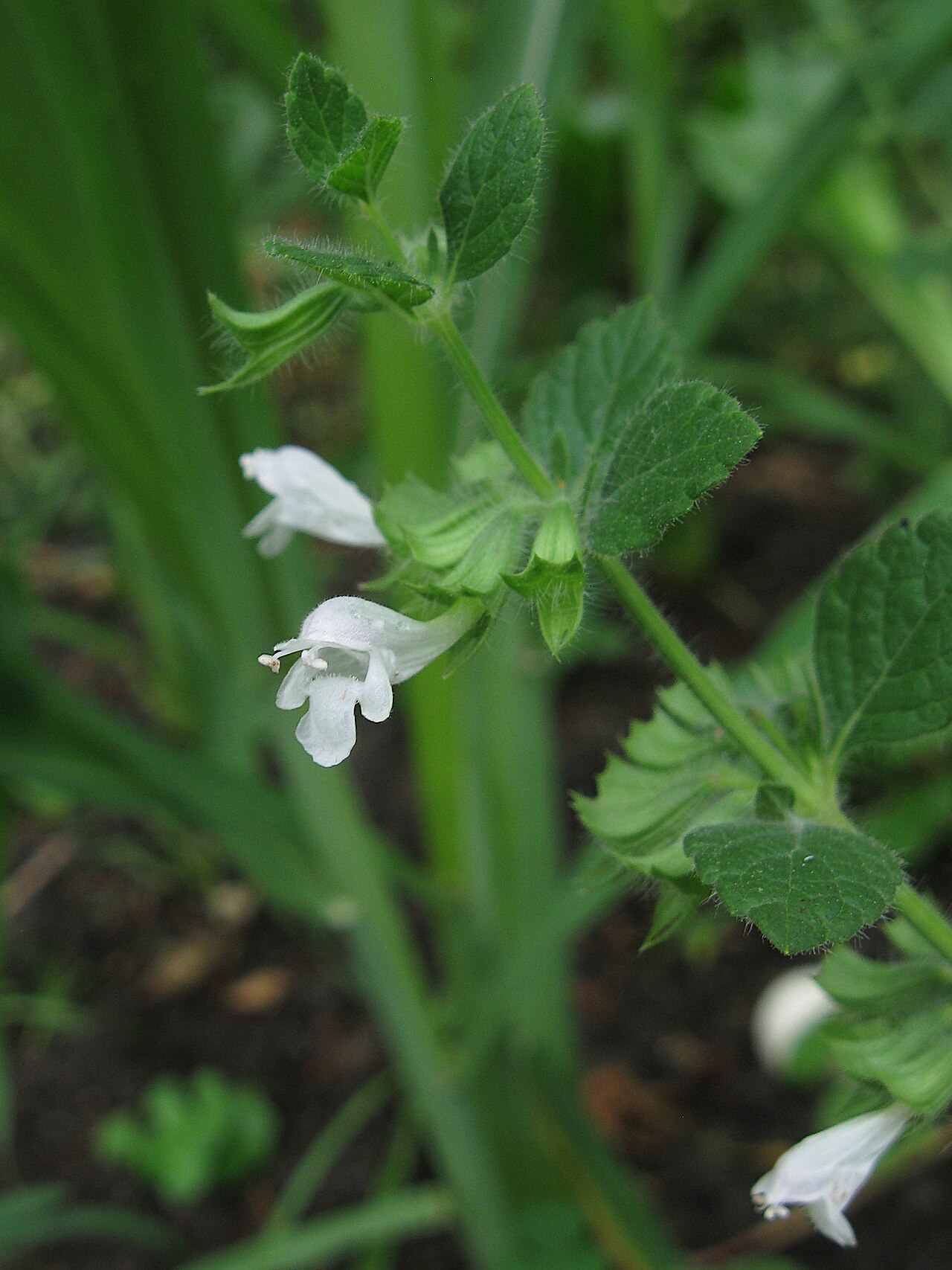
Lemon Balm
Photo: Cbaile19, CC0, via Wikimedia Commons

Lemon Balm

Melissa officinalis

Medicinal · Culinary — leafDigestive HealthSkin HealthMental Health

A lemon-scented perennial in the mint family, native to southern Europe and Central Asia and grown in herb gardens for well over a thousand years.
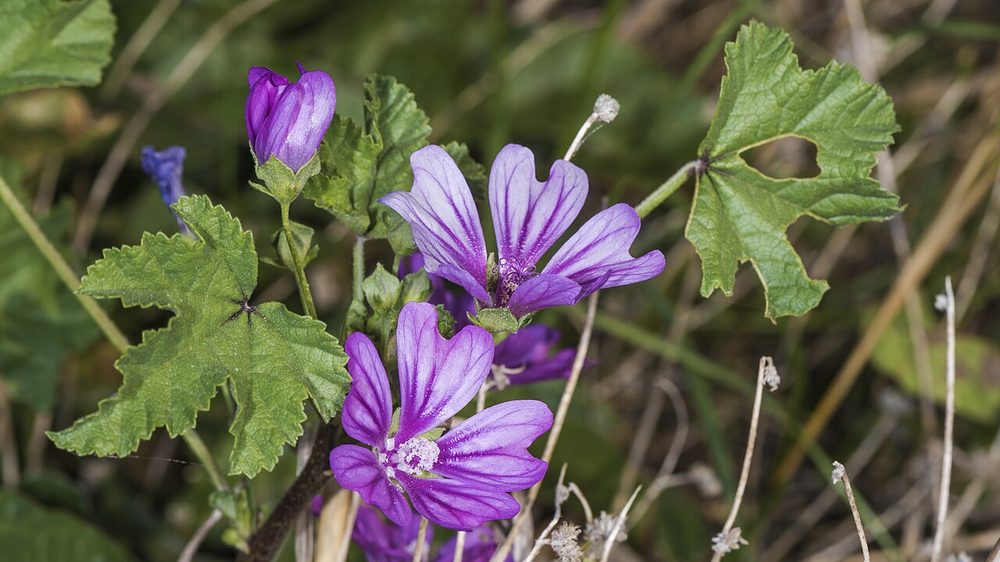
Mallow
Photo: Christian Ferrer, CC BY-SA 4.0, via Wikimedia Commons

Mallow

Malva sylvestris

Medicinal · Culinary — root, leaf, flowerDigestive HealthSkin Health

A soft-leaved plant in the same family as hibiscus and okra — the whole plant is edible, and its mucilage coats and soothes.
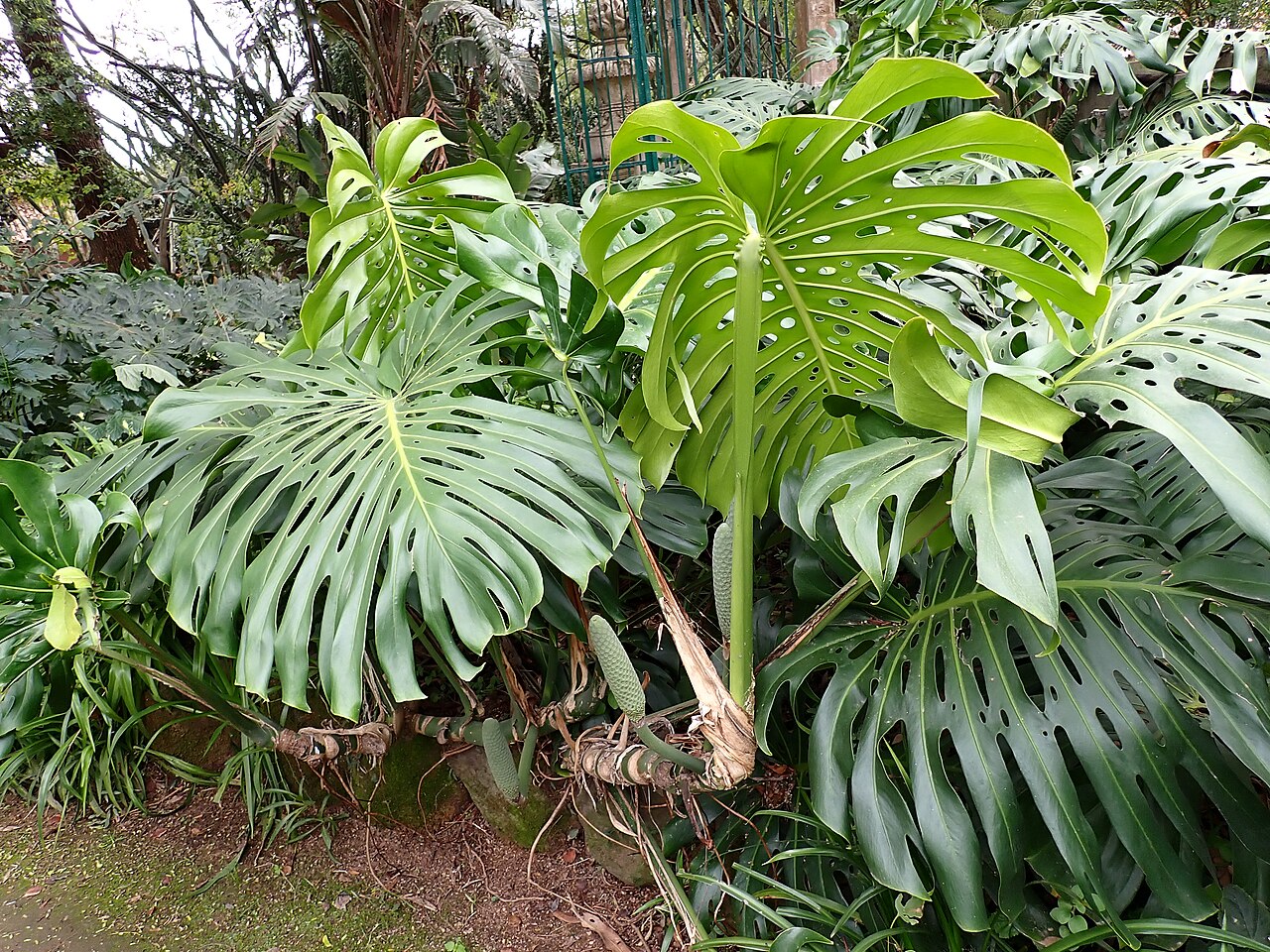
Monstera
Photo: Krzysztof Ziarnek, Kenraiz, CC BY-SA 4.0, via Wikimedia Commons

Monstera

Monstera deliciosa

Ornamental

Few houseplants make an entrance like a Monstera.
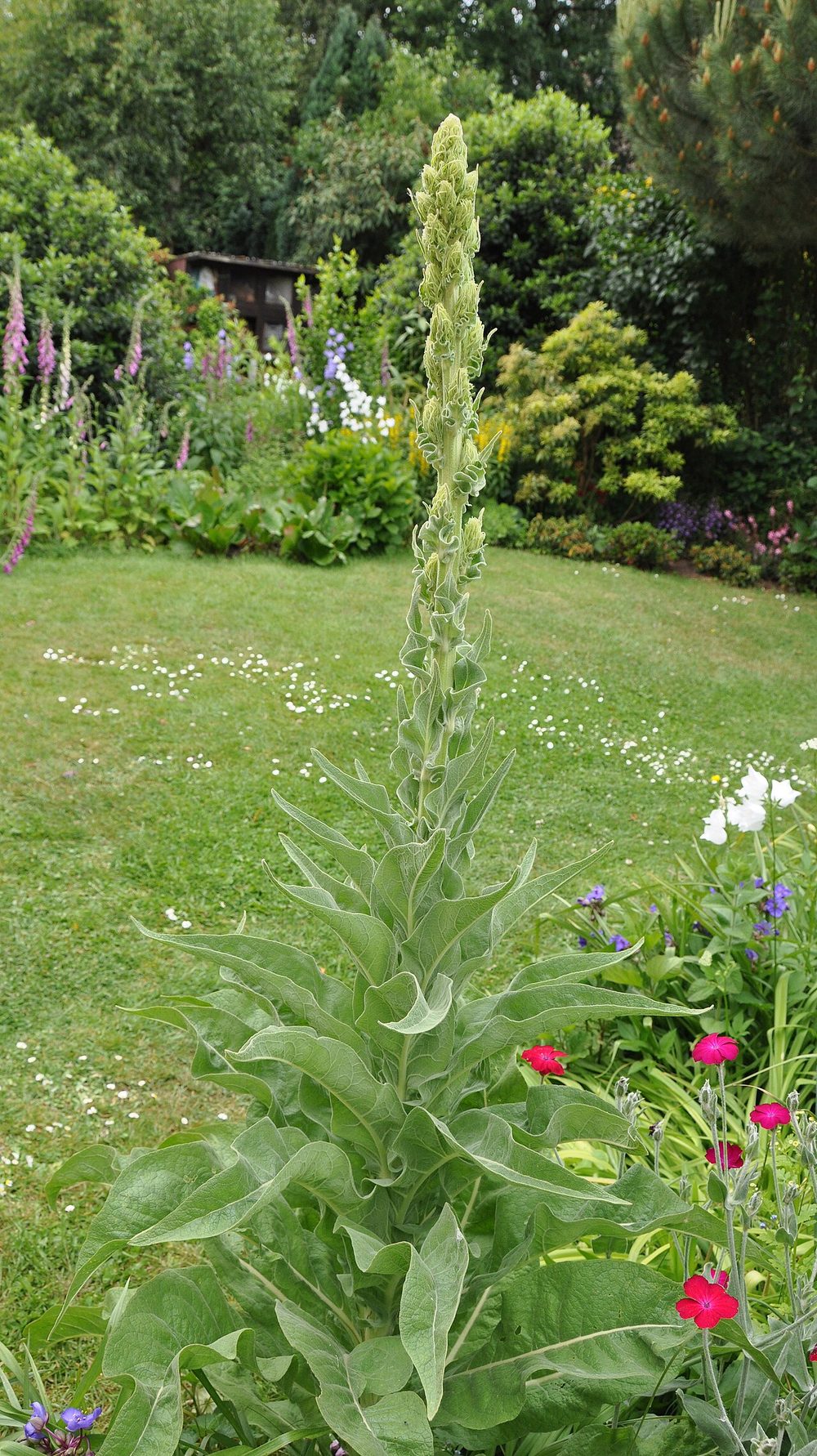
Mullein
Photo: Marc Ryckaert (MJJR), CC BY 3.0, via Wikimedia Commons

Mullein

Verbascum thapsus

Medicinal — leaf, flowerRespiratory Health

A tall pioneer of dry, open ground, its flowers traditionally used for sore throats with a dry cough.
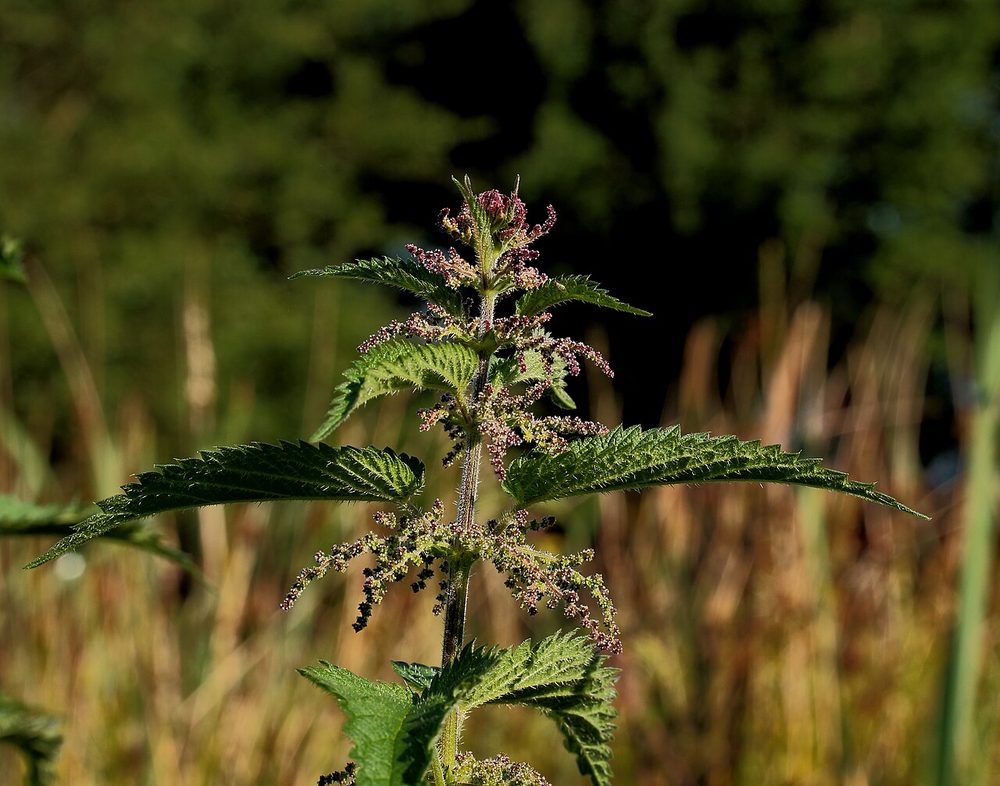
Nettle
Photo: Dominicus Johannes Bergsma, CC BY-SA 4.0, via Wikimedia Commons

Nettle

Urtica dioica

Medicinal · Culinary — root, leaf, seedBone HealthUrinary HealthHormone Health

The stinging nettle — a tall perennial whose sting cooking or drying removes, and one of the most nutritious wild greens there is.
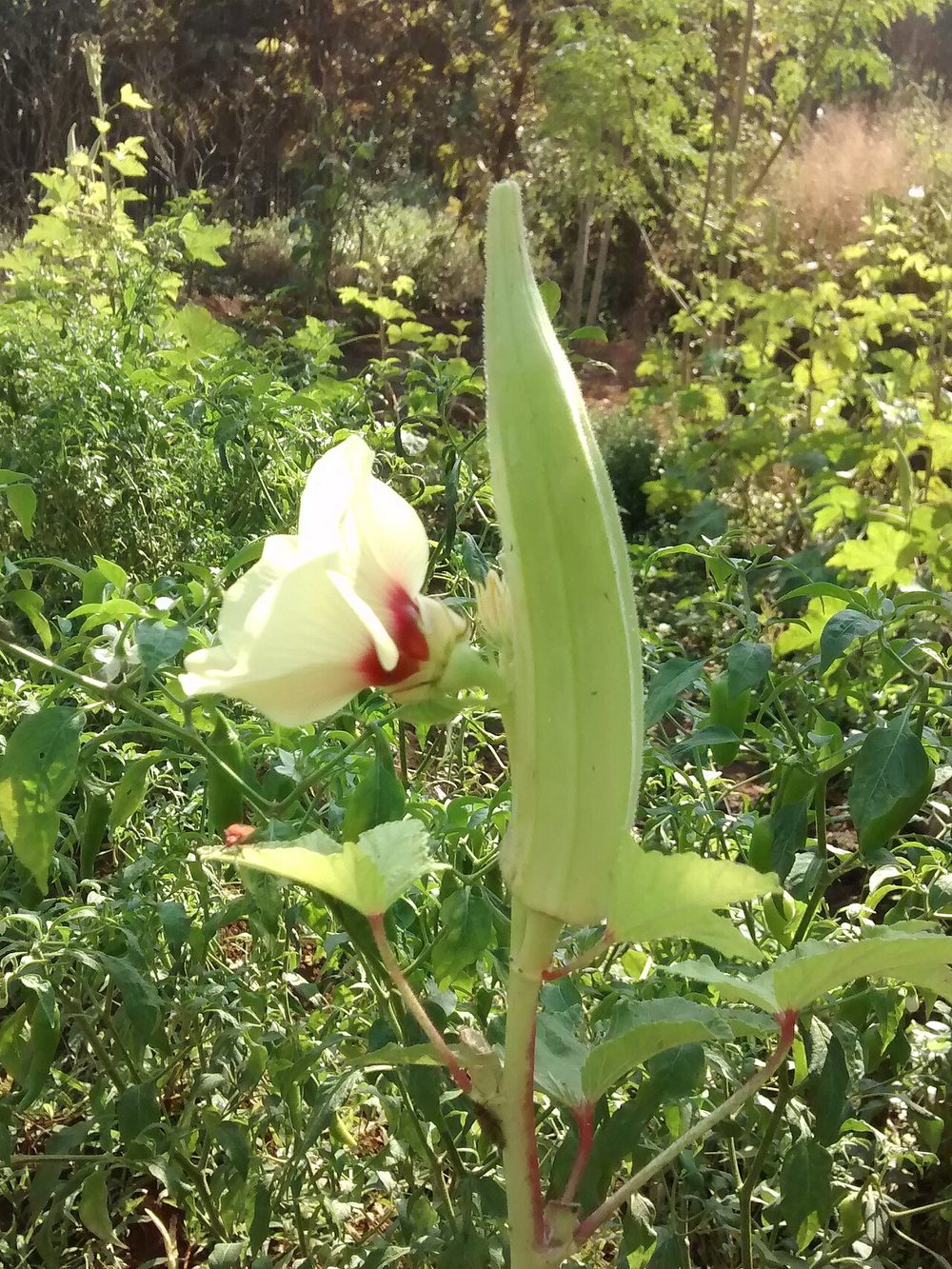
Okra
Photo: Rohan Pinto, CC BY-SA 4.0, via Wikimedia Commons

Okra

Abelmoschus esculentus

Culinary — fruitDigestive HealthHeart HealthBlood Sugar Health

A warm-season pod vegetable in the mallow family.
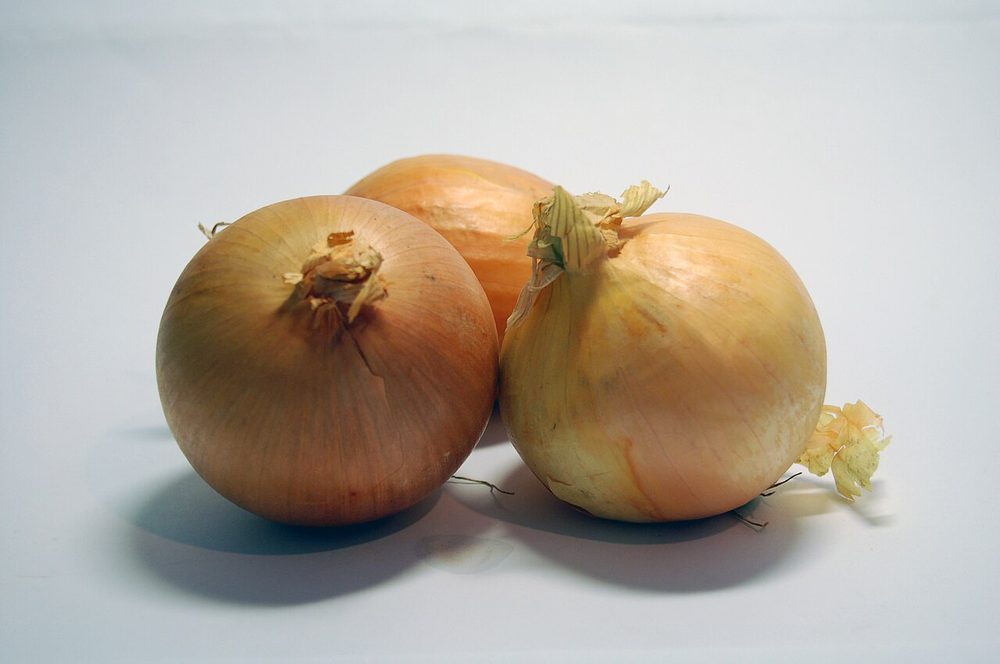
Onion
Photo: Alex Lomas, CC BY 2.0, via Wikimedia Commons

Onion

Allium cepa

Culinary — root, leafDigestive Health

A bulb of layered leaves — the base note of nearly every cuisine on earth, cultivated for more than 5,000 years.
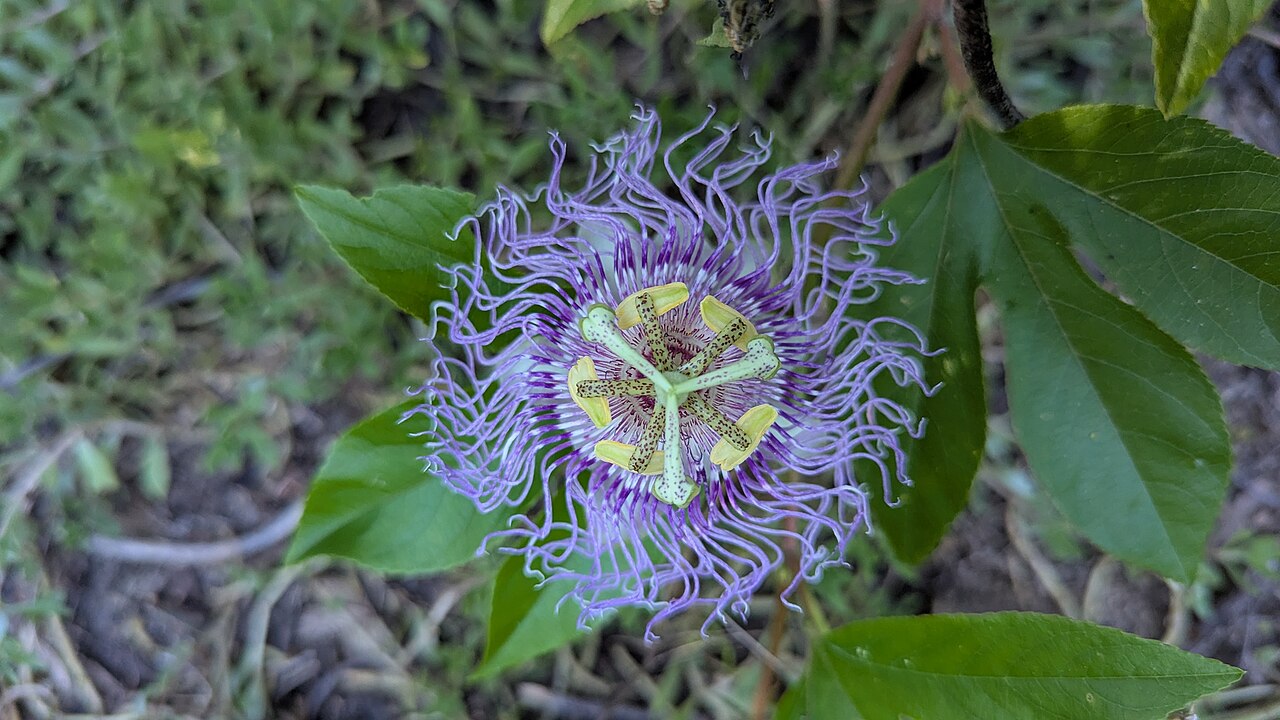
Passionflower
Photo: OceanGunfish, CC BY 4.0, via Wikimedia Commons

Passionflower

Passiflora incarnata

Medicinal · Culinary — leaf, flower, fruitMental Health

A vigorous climbing vine native to the southeastern United…
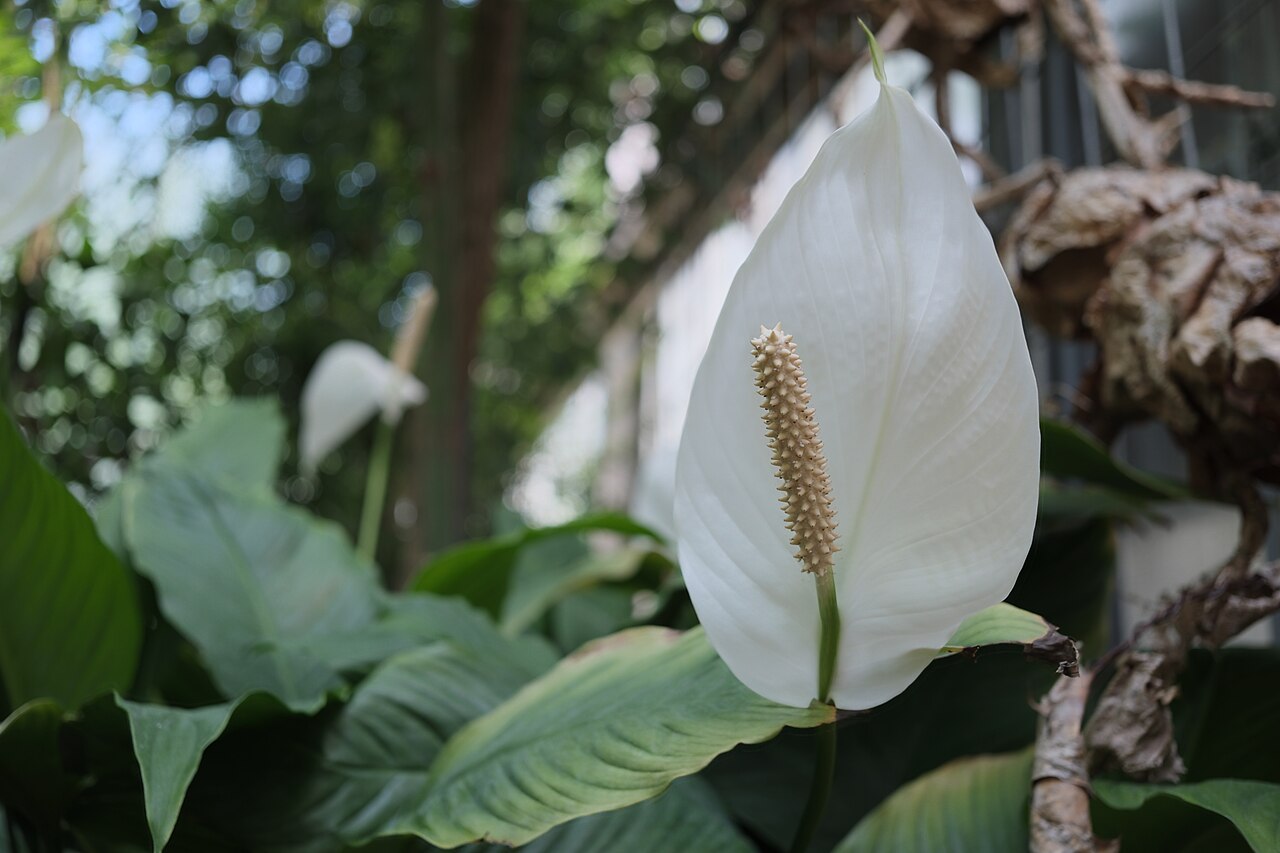
Peace Lily
Photo: Killarnee, CC BY-SA 4.0, via Wikimedia Commons

Peace Lily

Spathiphyllum wallisii

Ornamental

The Peace Lily is the calm diplomat of the houseplant world.
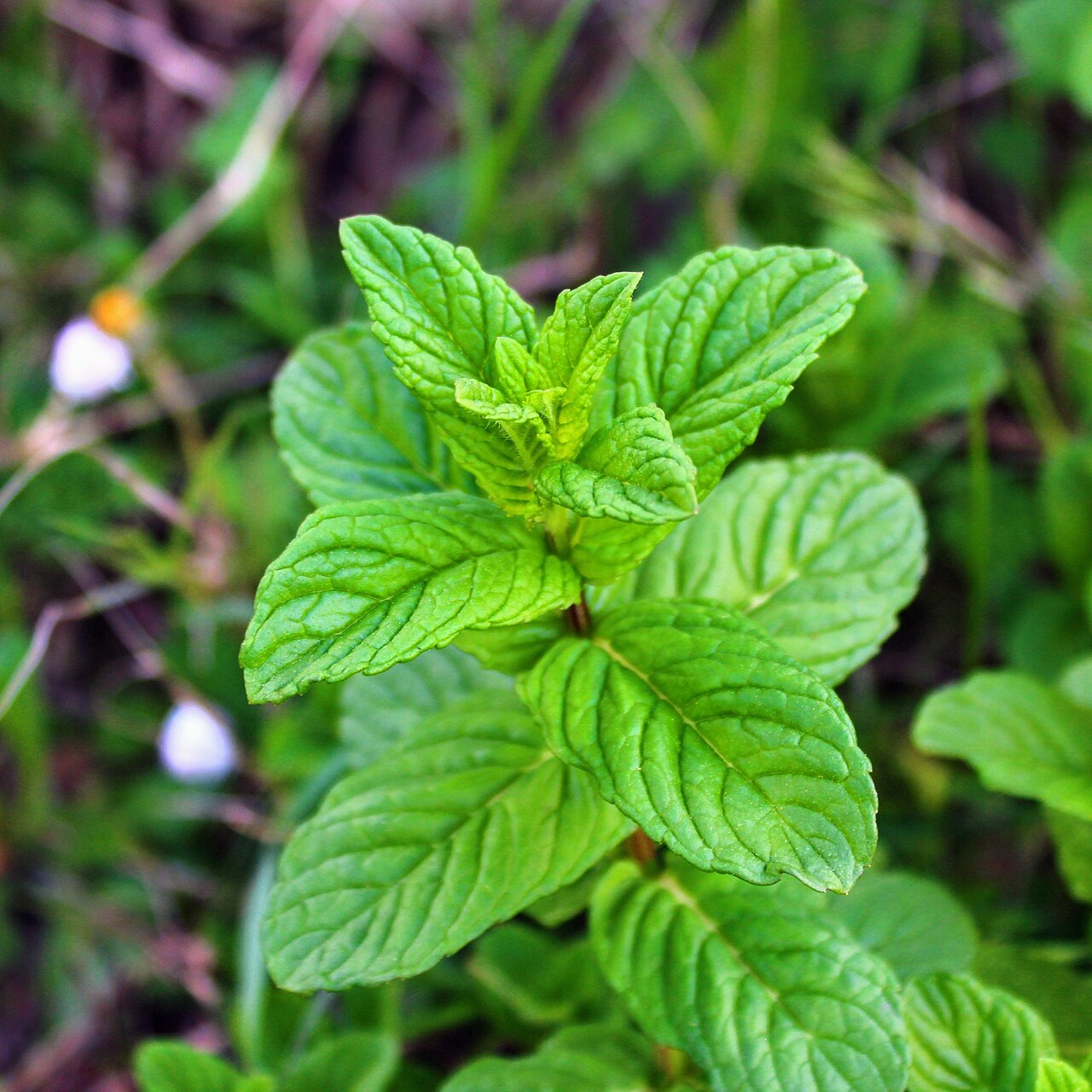
Peppermint
Photo: Kızıl, CC BY-SA 4.0, via Wikimedia Commons

Peppermint

Mentha × piperita

Medicinal · Culinary — leafDigestive HealthRespiratory Health

Peppermint is a natural hybrid — a cross between watermint and spearmint that arose in England and was first described there in 1696.
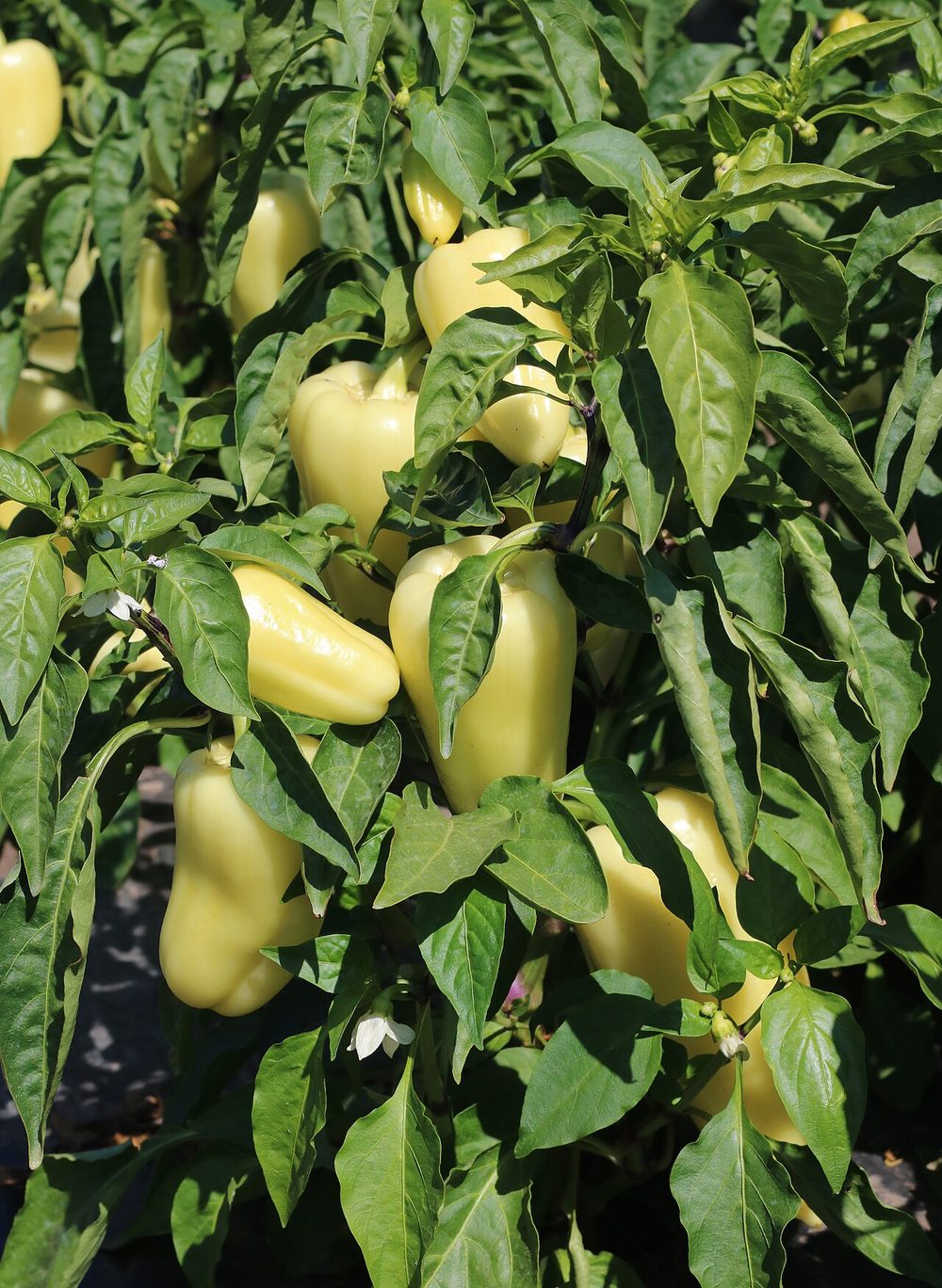
Peppers
Photo: George Chernilevsky, CC BY 4.0, via Wikimedia Commons

Peppers

Capsicum

Culinary · Medicinal — fruitImmune HealthEye HealthSkin Health

From the sweet bell, with no heat at all, to the habanero, where a sliver flavours a pot.
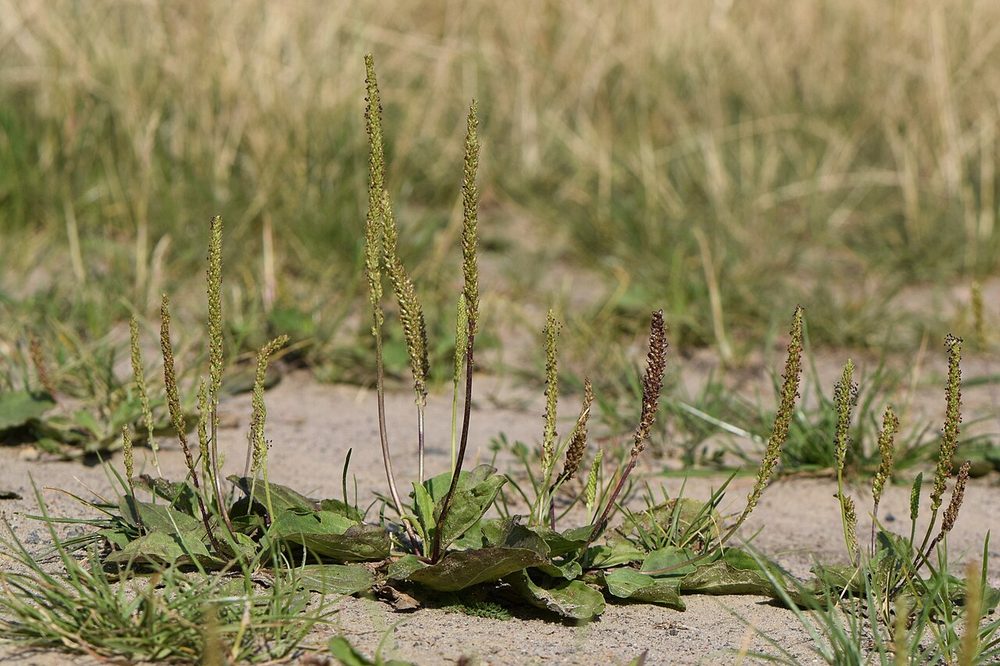
Plantain
Photo: Krzysztof Ziarnek, Kenraiz, CC BY-SA 4.0, via Wikimedia Commons

Plantain

Plantago major

Medicinal — leaf, seedDigestive HealthSkin Health

Broadleaf plantain — no relation to the banana-like fruit — a low rosette of wide, ribbed leaves found in lawns, paths and compacted ground.
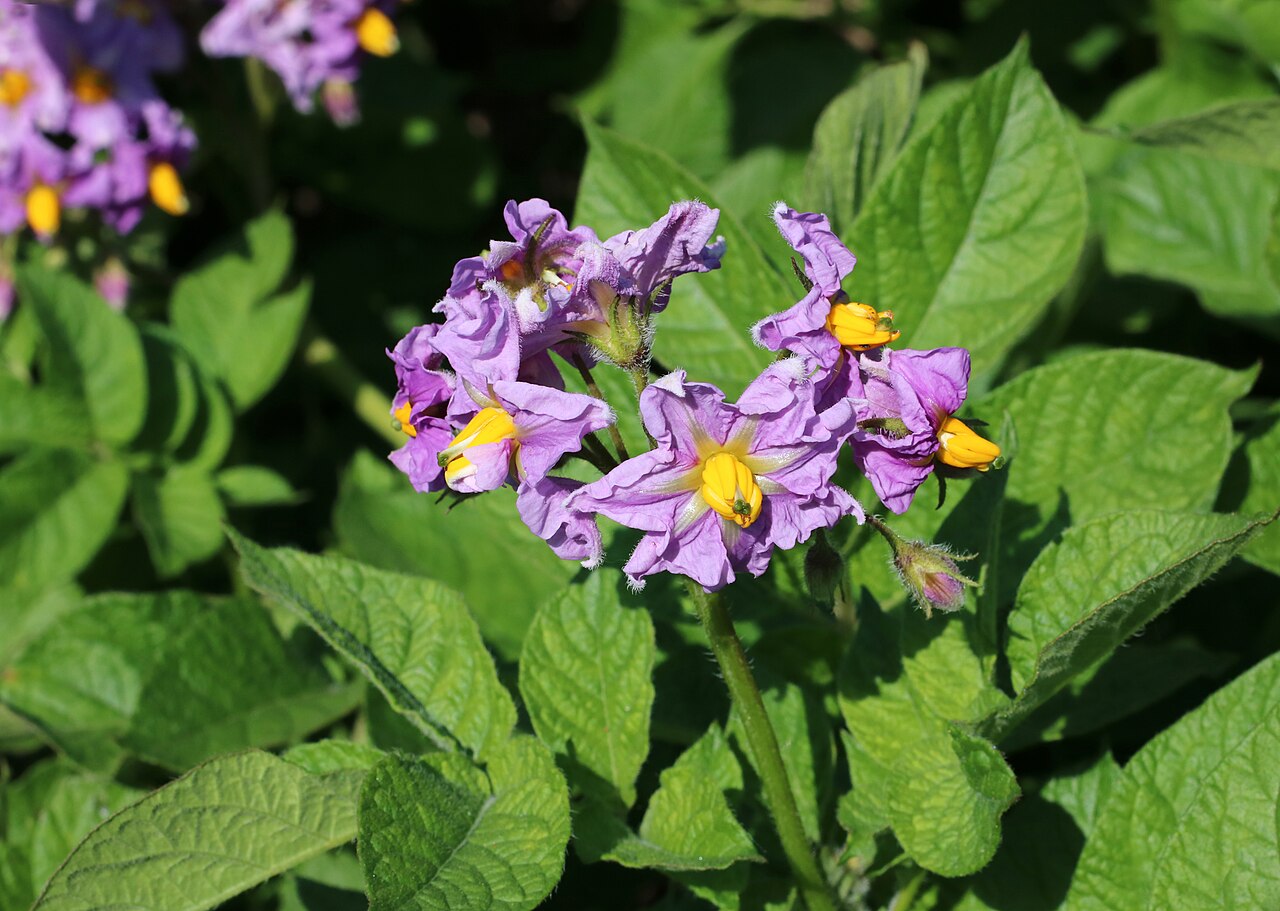
Potato
Photo: George Chernilevsky, Public domain, via Wikimedia Commons

Potato

Solanum tuberosum

Culinary — root

A starchy tuber in the nightshade family — kin to the Tomato and Peppers in this chapter — and the most consequential vegetable ever to leave the Americas.
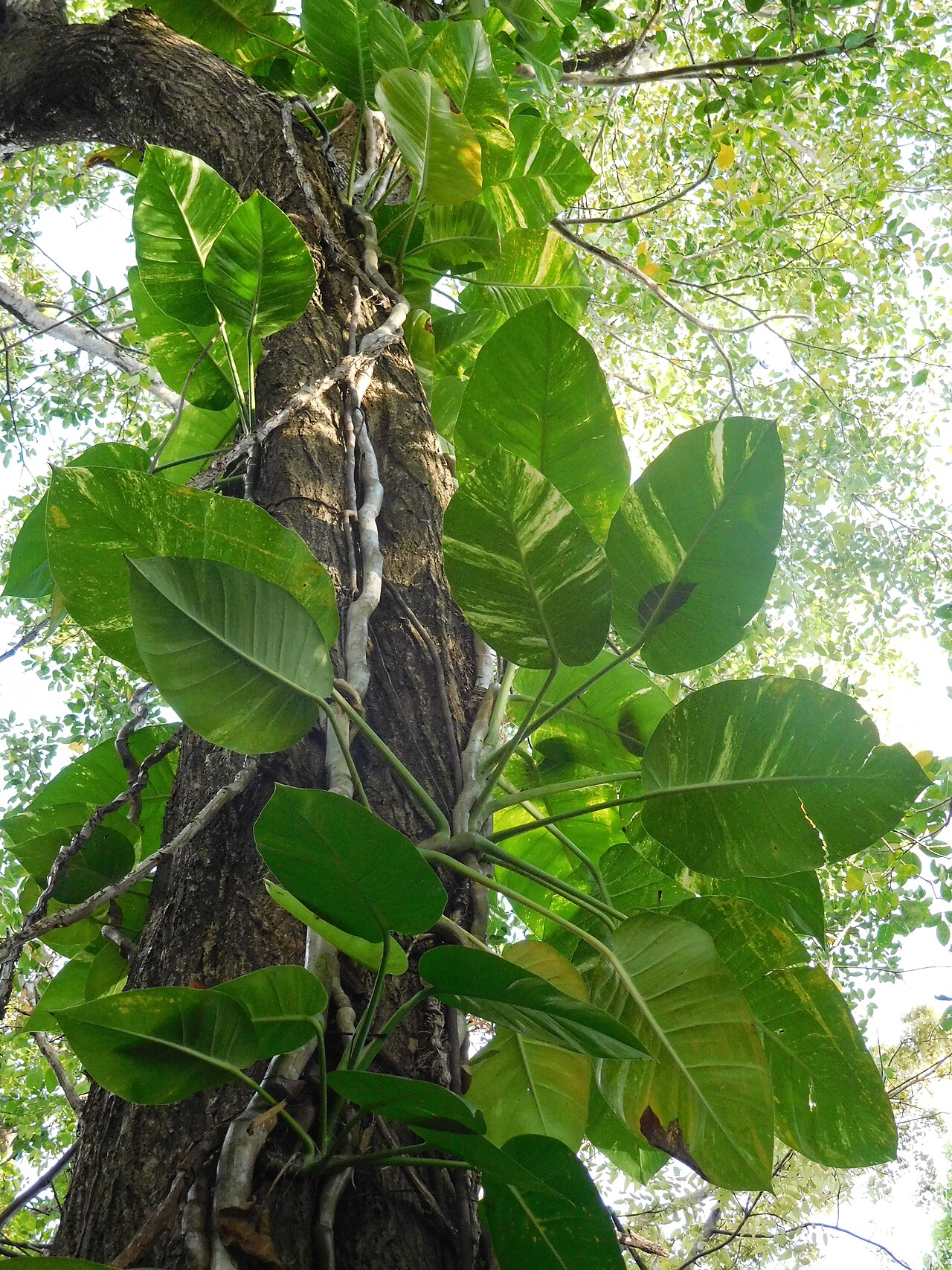
Pothos
Photo: Filo gèn', CC BY-SA 4.0, via Wikimedia Commons

Pothos

Epipremnum aureum

Ornamental

Golden pothos — also called devil's ivy and hunter's robe.
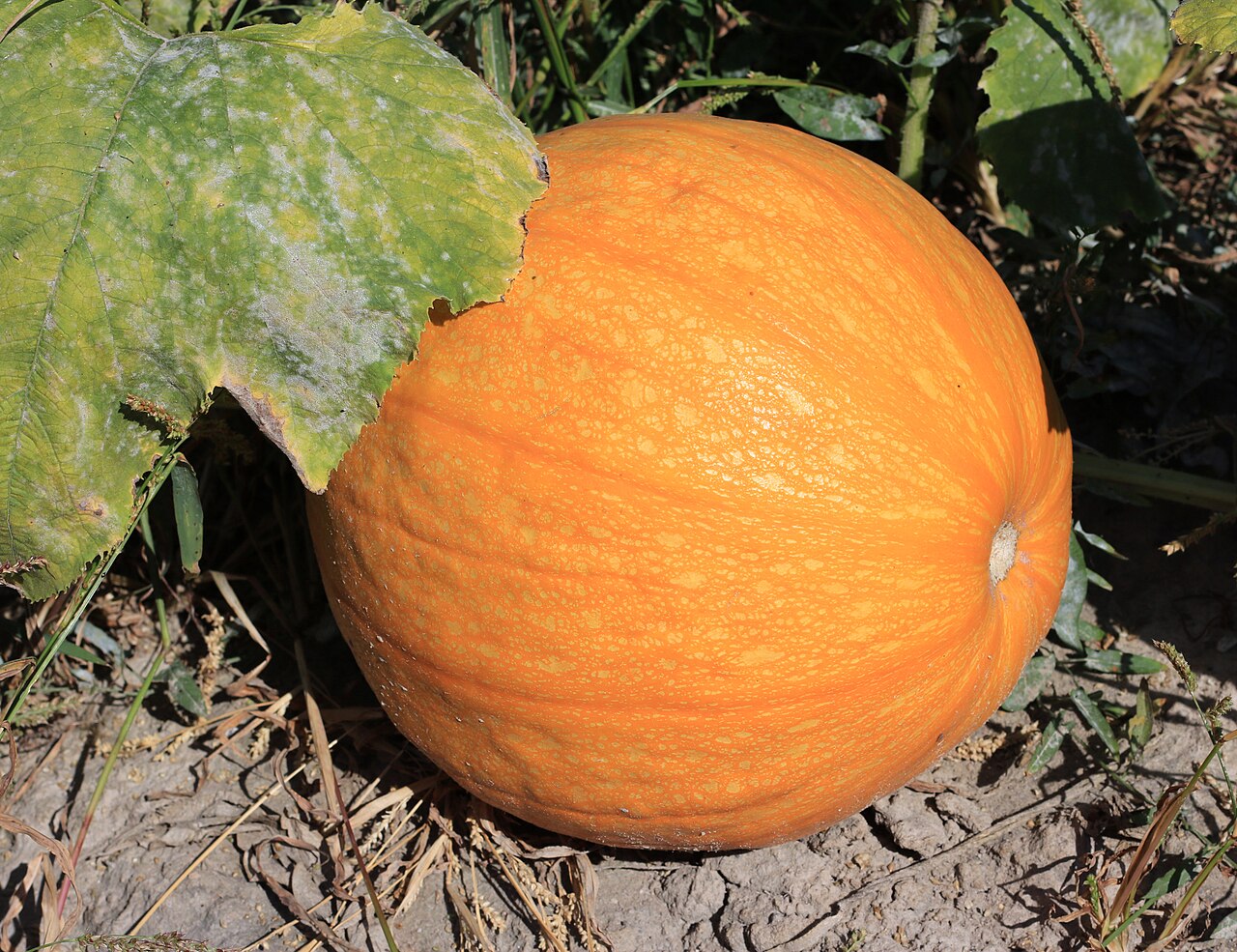
Pumpkin
Photo: George Chernilevsky, Public domain, via Wikimedia Commons

Pumpkin

Cucurbita pepo

Culinary — flower, fruit, seedImmune HealthEye Health

A true squash wearing a famous name.

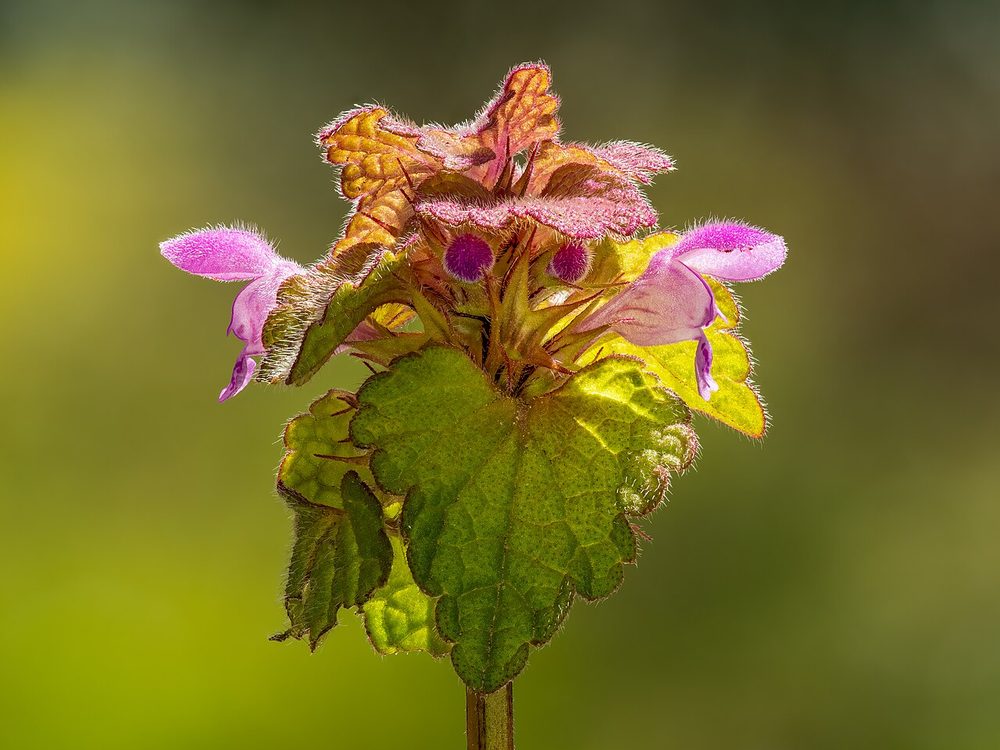
Purple Dead-Nettle
Photo: Ermell, CC BY-SA 4.0, via Wikimedia Commons

Purple Dead-Nettle

Lamium purpureum

Medicinal · Culinary — leaf, flowerSkin Health

A stingless mint-family plant — the whole plant above ground is edible, and its early flowers feed queen bumblebees.
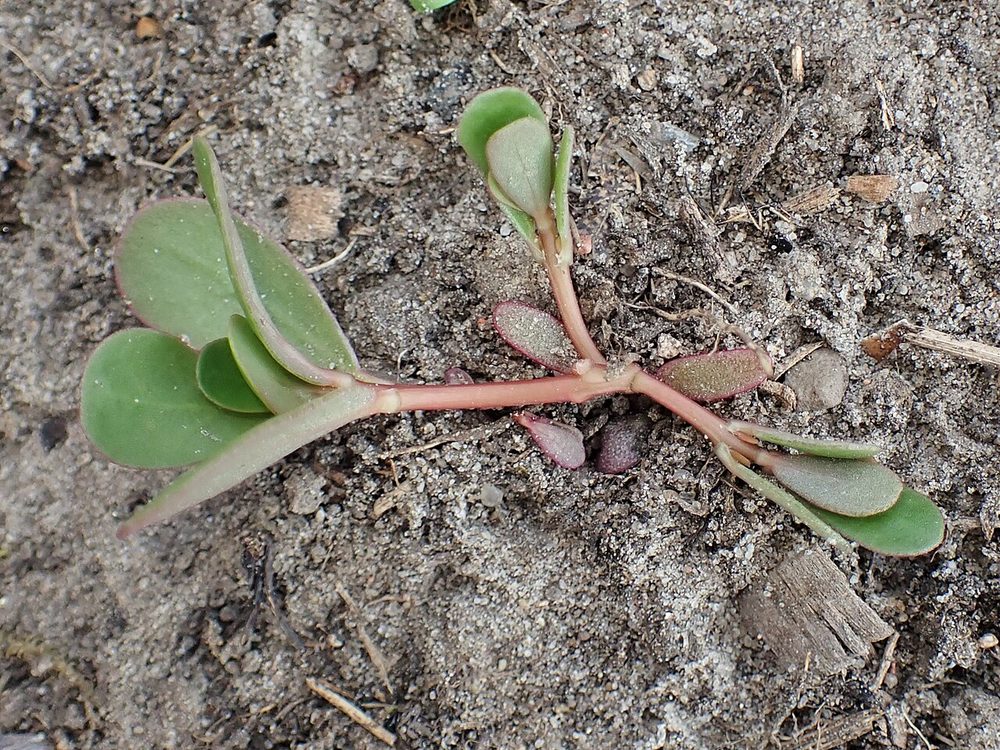
Purslane
Photo: Krzysztof Ziarnek, Kenraiz, CC BY-SA 4.0, via Wikimedia Commons

Purslane

Portulaca oleracea

Culinary — leaf, seed

A fleshy, low-spreading succulent eaten as a vegetable since ancient times — one of the most nutrient-packed plants in the garden.
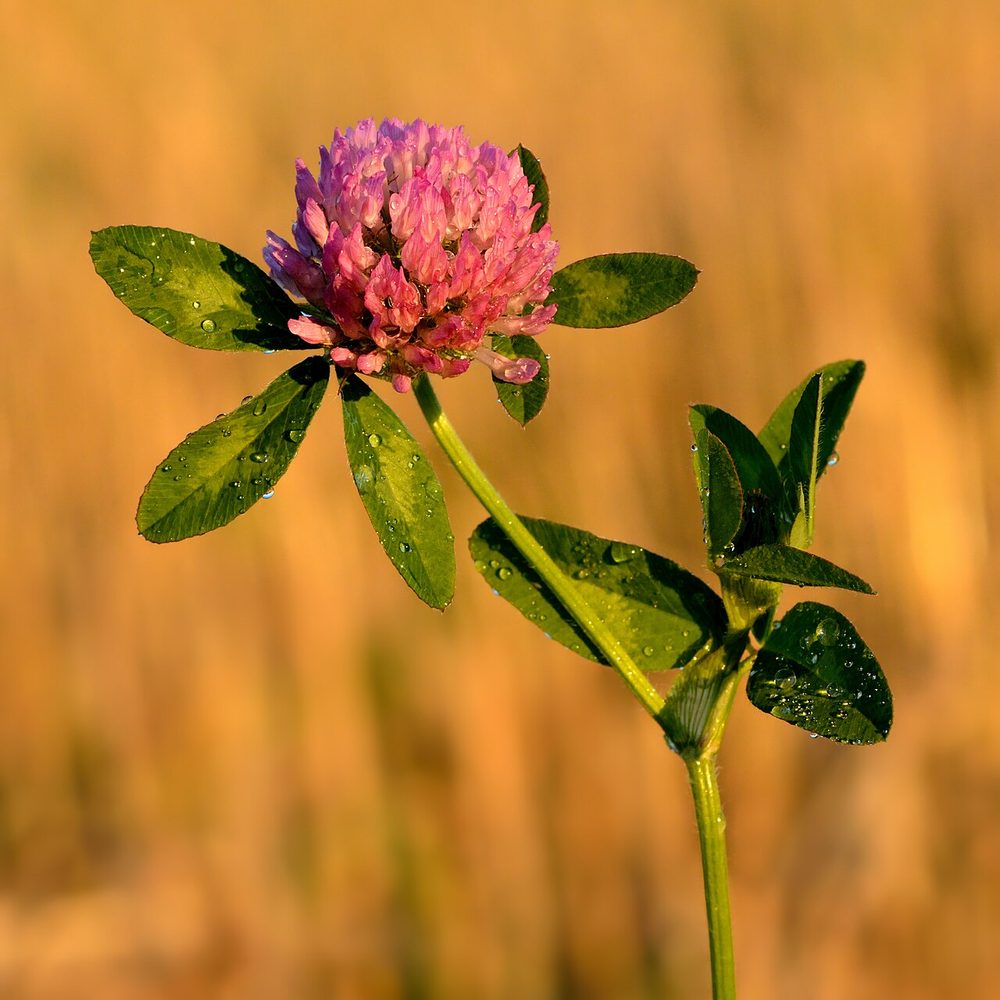
Red Clover
Photo: Ivar Leidus, CC BY-SA 4.0, via Wikimedia Commons

Red Clover

Trifolium pratense

MedicinalSkin HealthHormone Health

A nitrogen-fixing legume grown as a cover crop, with flowers pollinated by bumblebees.
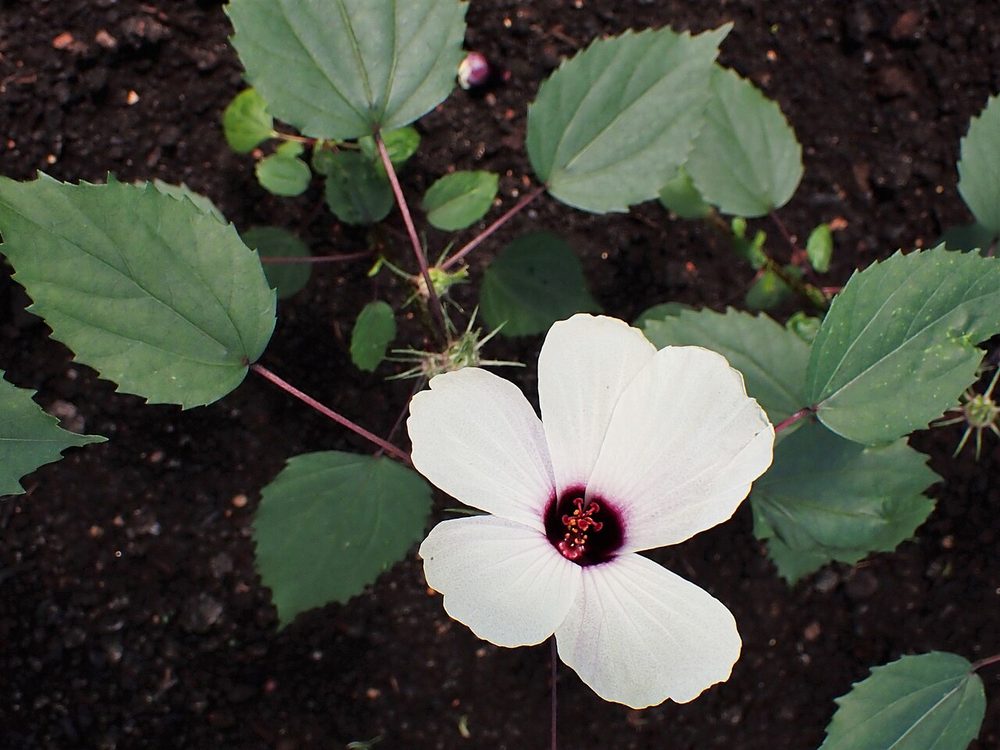
Roselle
Photo: Krzysztof Ziarnek, Kenraiz, CC BY-SA 4.0, via Wikimedia Commons

Roselle

Hibiscus sabdariffa

Medicinal · Culinary — flowerHeart Health

Jamaican sorrel — the hibiscus whose red calyces make the ruby drinks called sorrel, bissap and karkadé.
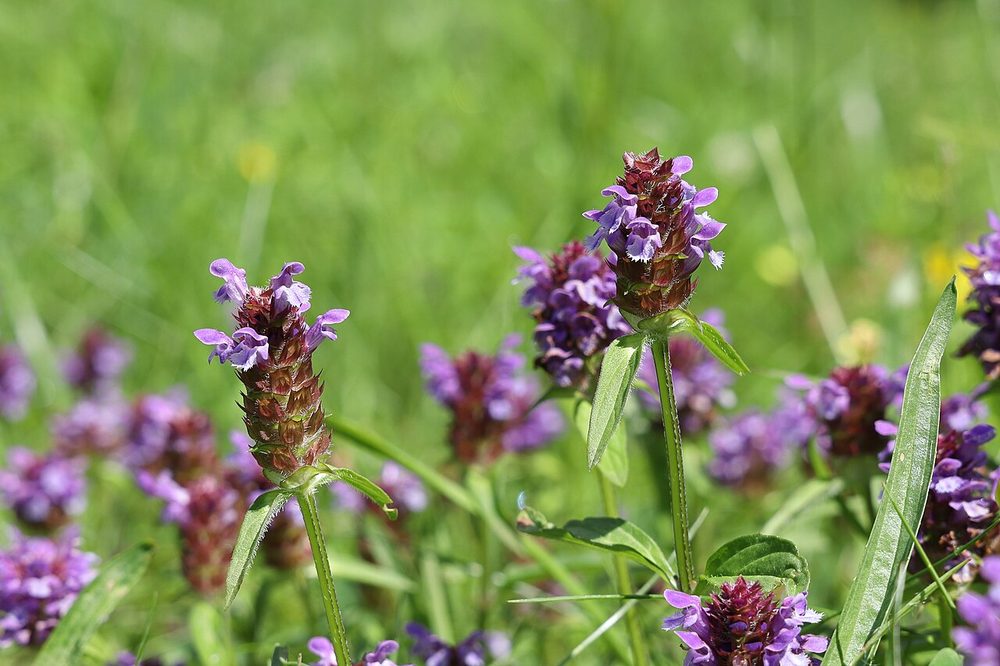
Self-Heal
Photo: T. Kebert, CC BY-SA 4.0, via Wikimedia Commons

Self-Heal

Prunella vulgaris

Medicinal — flowerSkin Health

Called heal-all — a traditional wound herb with purple flower spikes that feed bees and butterflies.
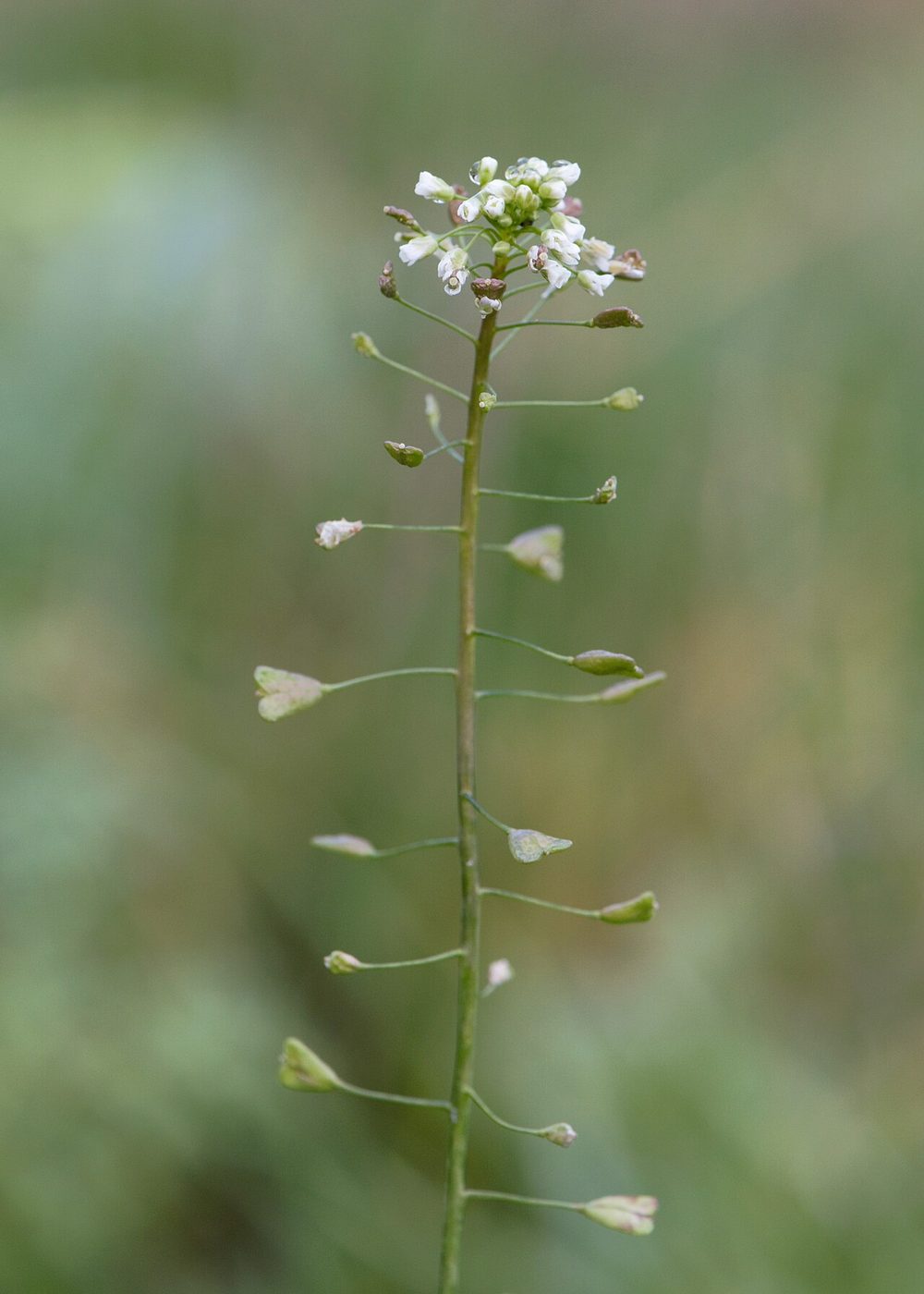
Shepherd's Purse
Photo: Krzysztof Ziarnek, Kenraiz, CC BY-SA 4.0, via Wikimedia Commons

Shepherd's Purse

Capsella bursa-pastoris

Medicinal

One of the commonest weeds in the world, traditionally used to reduce heavy menstrual bleeding.
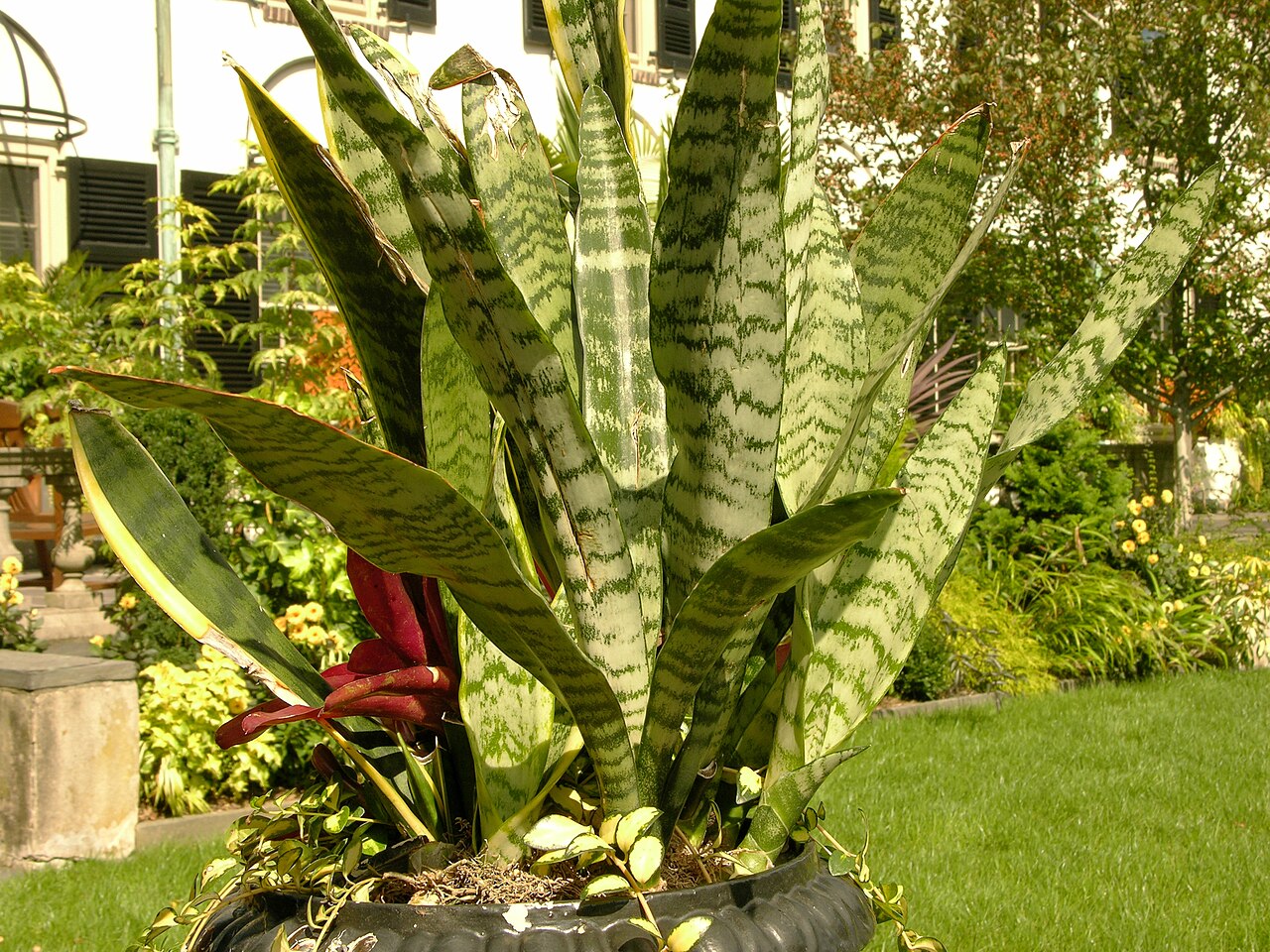
Snake Plant
Photo: Derek Ramsey (Ram-Man), CC BY-SA 3.0, via Wikimedia Commons

Snake Plant

Dracaena trifasciata

Ornamental

Snake plant — also called mother-in-law's tongue and Saint George's sword.
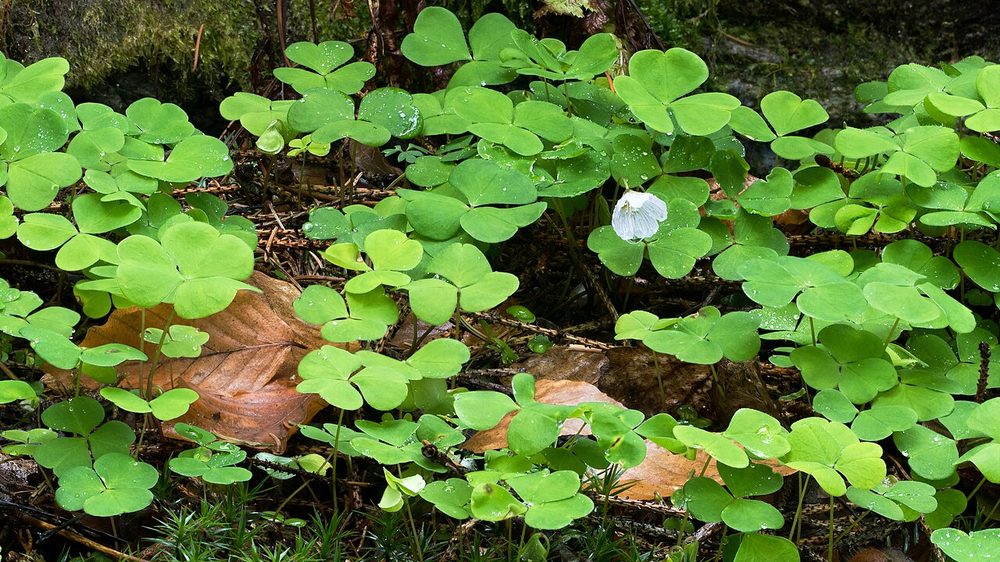
Sorrel (Wood Sorrel)
Photo: W.carter, CC0, via Wikimedia Commons

Sorrel (Wood Sorrel)

Oxalis spp.

Culinary — leaf, flower, seed

The little lawn weed with three heart-shaped leaflets and a sharp, lemony taste — eaten only in small amounts.
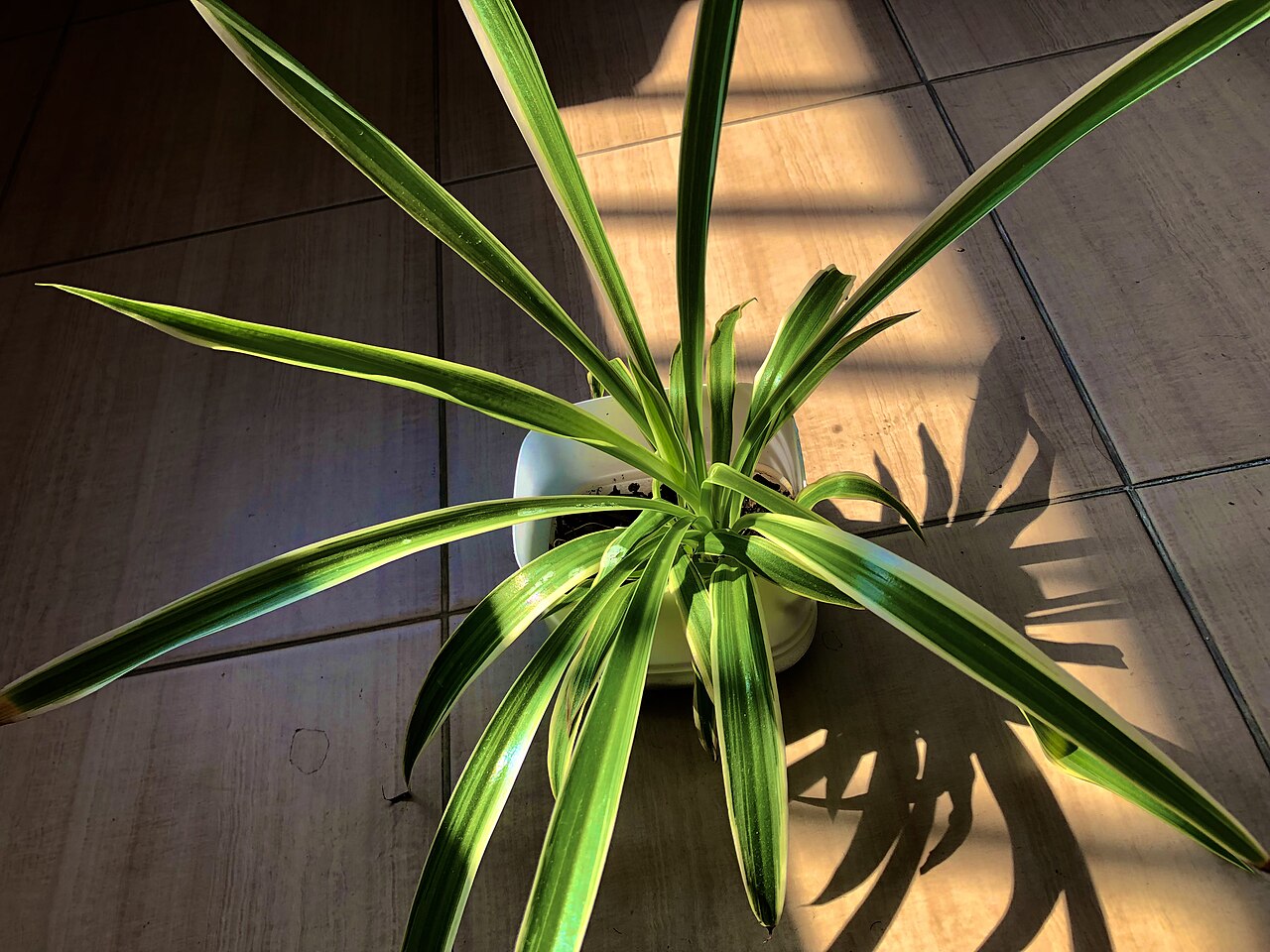
Spider Plant
Photo: Qian2007, CC BY-SA 4.0, via Wikimedia Commons

Spider Plant

Chlorophytum comosum

Ornamental

Spider plant — also called the airplane plant and the ribbon plant.
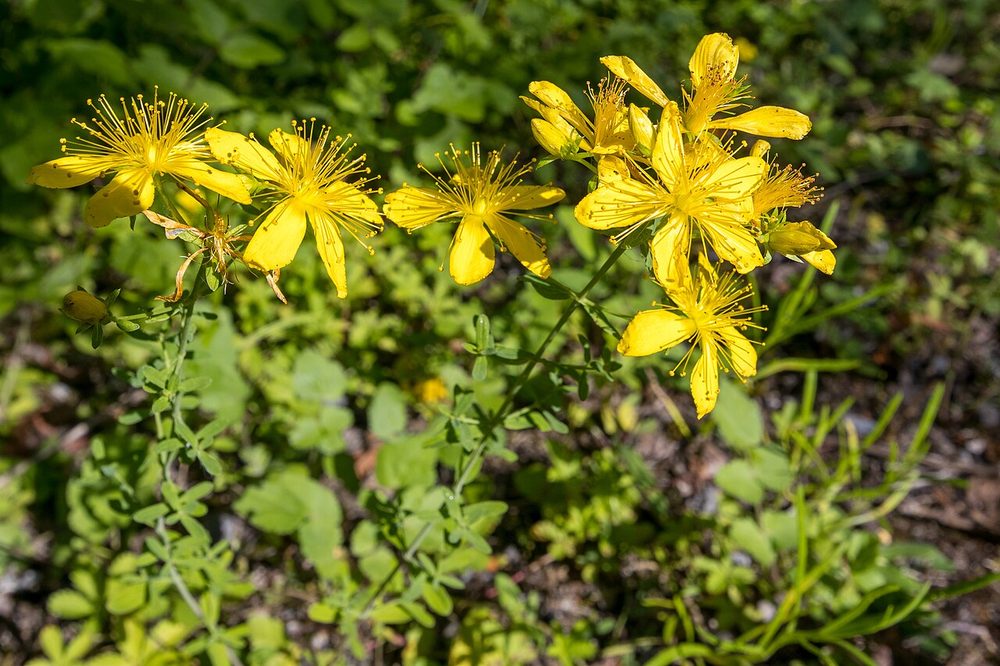
St. John's Wort
Photo: JackyM59, CC BY-SA 4.0, via Wikimedia Commons

St. John's Wort

Hypericum perforatum

MedicinalSkin HealthMental HealthHormone Health

Studied for mild to moderate depression — and a herb whose medicine interactions must come first.
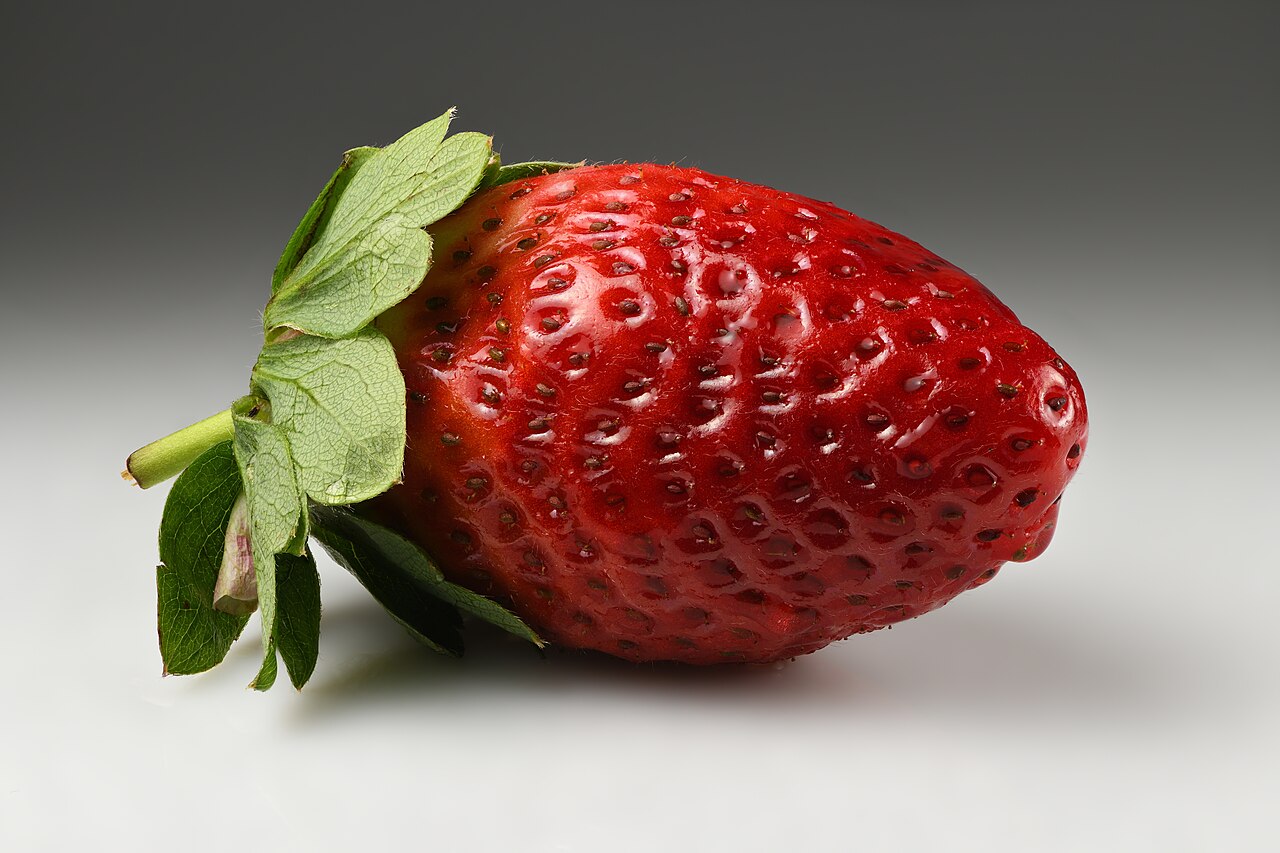
Strawberry
Photo: Ivar Leidus, CC BY-SA 4.0, via Wikimedia Commons

Strawberry

Fragaria × ananassa

Culinary — leaf, fruitImmune Health

The garden strawberry is a newcomer wearing an ancient name — and, said plainly, not a botanical berry at all.
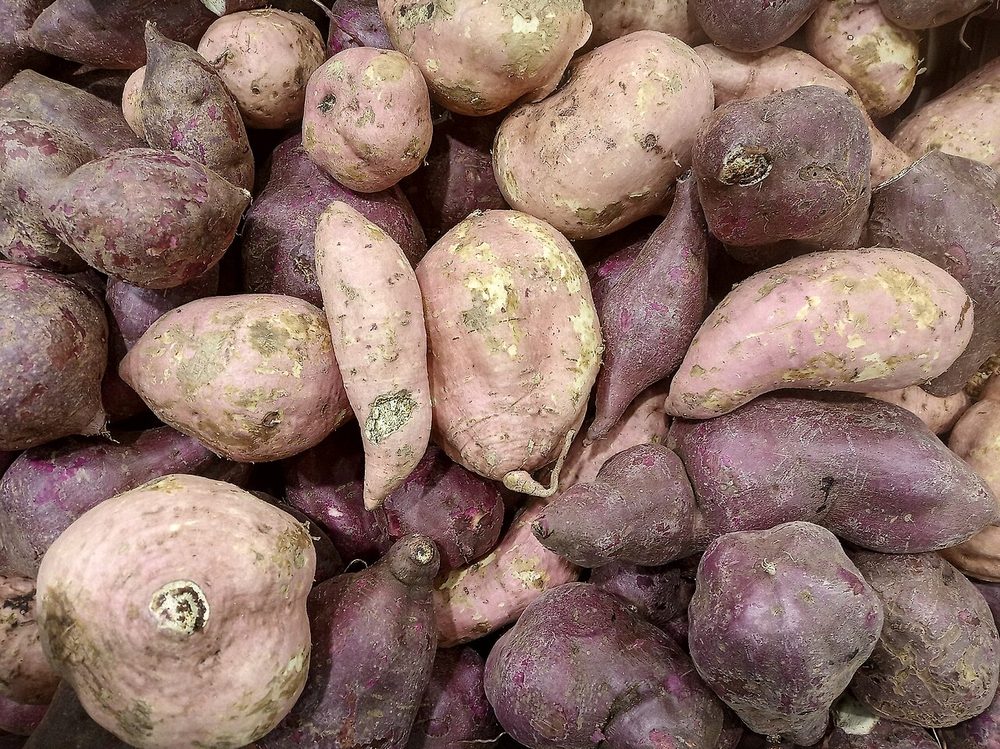
Sweet Potato
Photo: Filo gèn', CC BY-SA 4.0, via Wikimedia Commons

Sweet Potato

Ipomoea batatas

Culinary — root, leafDigestive HealthImmune HealthEye HealthHeart HealthBlood Sugar Health

A sweet, starchy storage root — a root that swells to store the plant's food, and the part we eat — from tropical America.
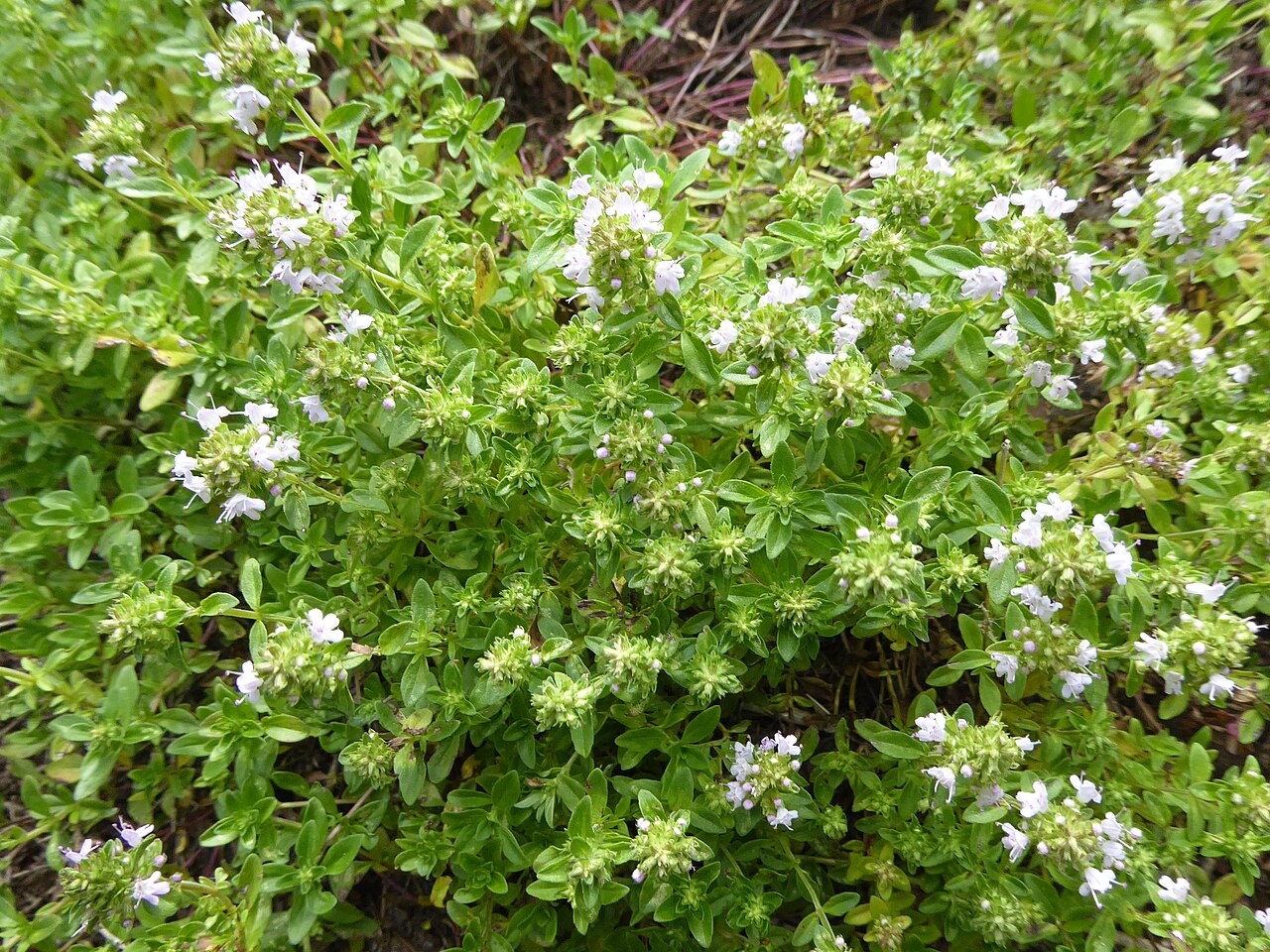
Thyme
Photo: Syrio, CC BY-SA 4.0, via Wikimedia Commons

Thyme

Thymus vulgaris

Medicinal · Culinary — leafDigestive HealthRespiratory Health

A small, woody mint-family shrub from the dry, rocky hillsides of the western Mediterranean, where it grows in poor, sun-baked soil.
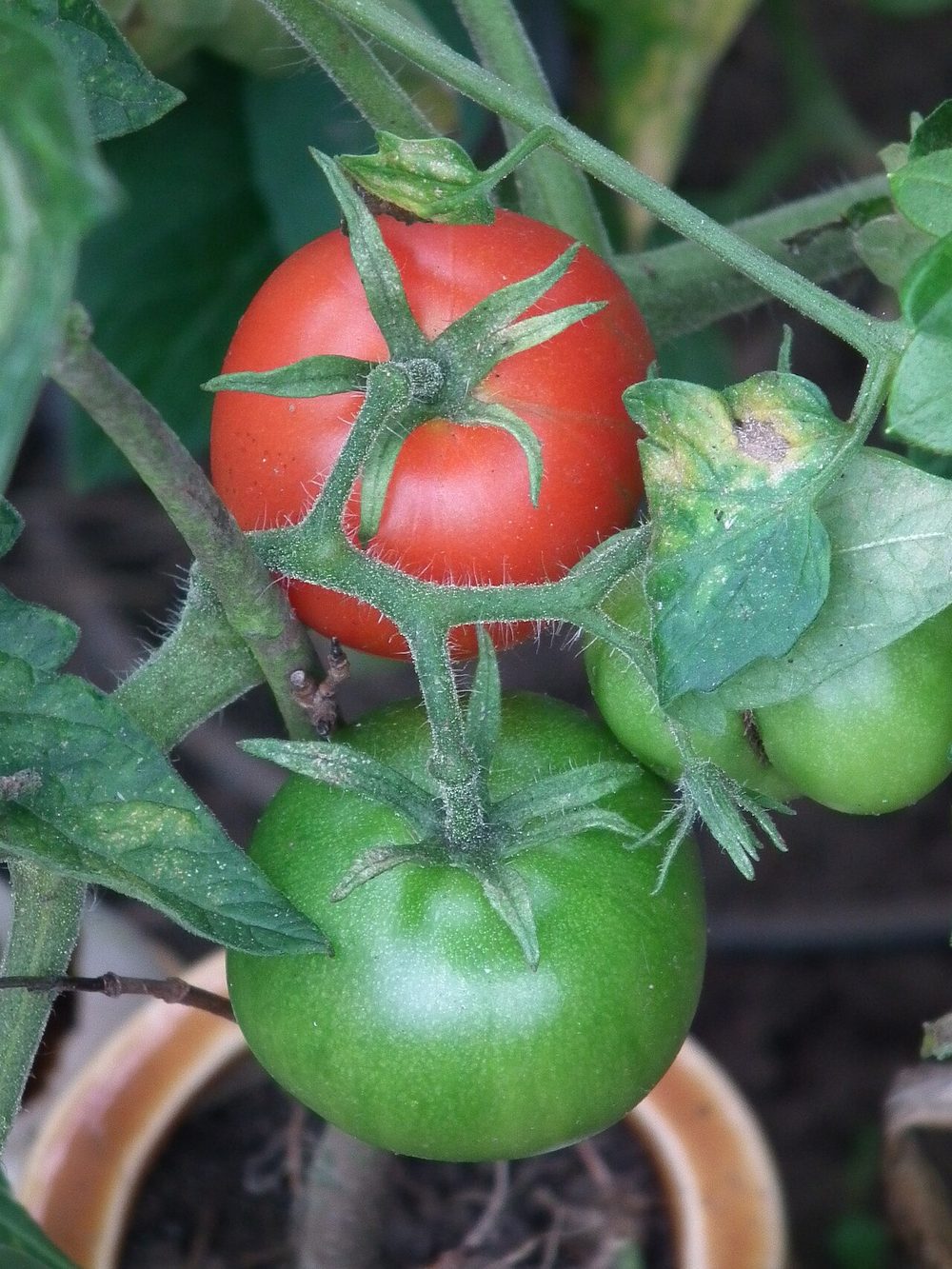
Tomato
Photo: 4028mdk09, CC BY-SA 3.0, via Wikimedia Commons

Tomato

Solanum lycopersicum

Culinary — fruitEye HealthHeart Health

A tender fruit eaten as a vegetable — the ripe fruit is the food; the leaves, stems and green fruit are not.
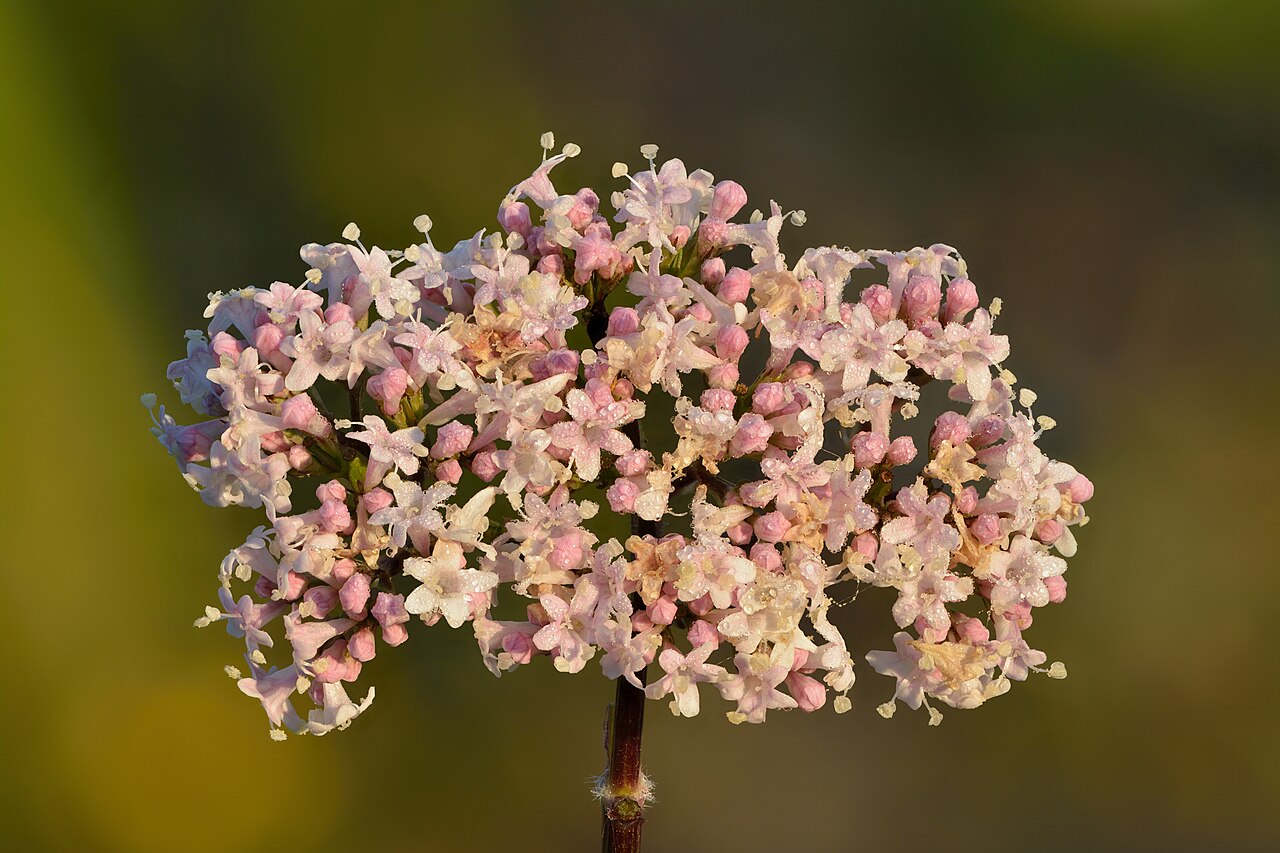
Valerian
Photo: Ivar Leidus, CC BY-SA 4.0, via Wikimedia Commons

Valerian

Valeriana officinalis

Medicinal — rootMental Health

A tall perennial native to Europe and Asia, with flat heads of sweet-scented pink-white flowers in early summer.
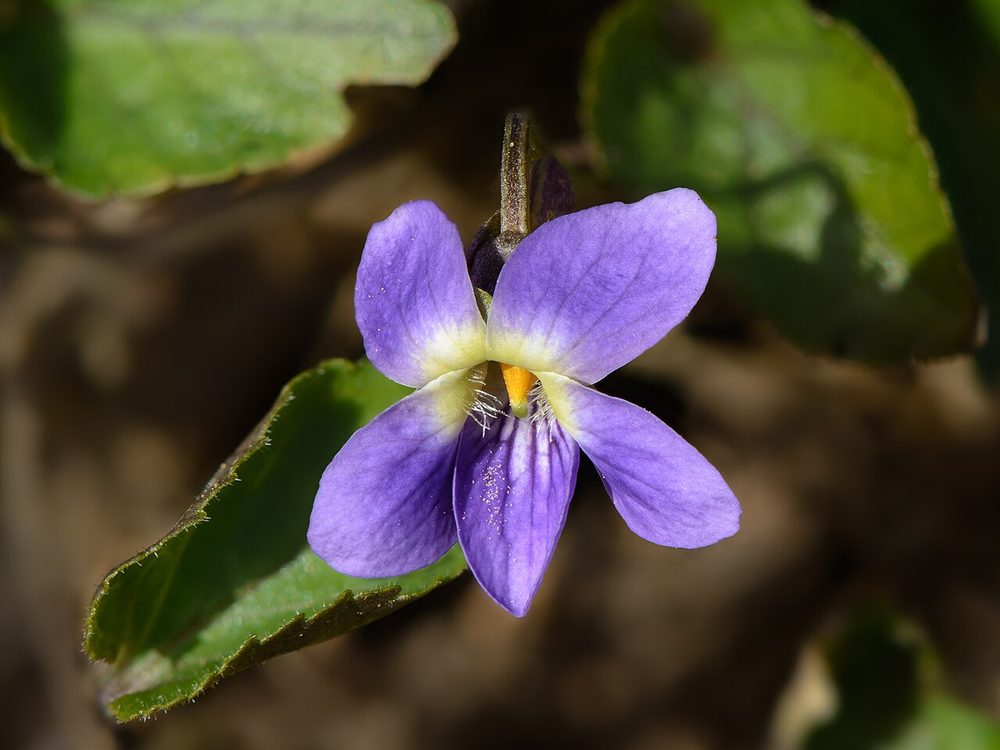
Violet
Photo: Uoaei1, CC BY-SA 4.0, via Wikimedia Commons

Violet

Viola spp.

Medicinal · Culinary — leaf, flowerSkin Health

Leaves and flowers in syrups, teas and salads — and the only food of fritillary caterpillars.
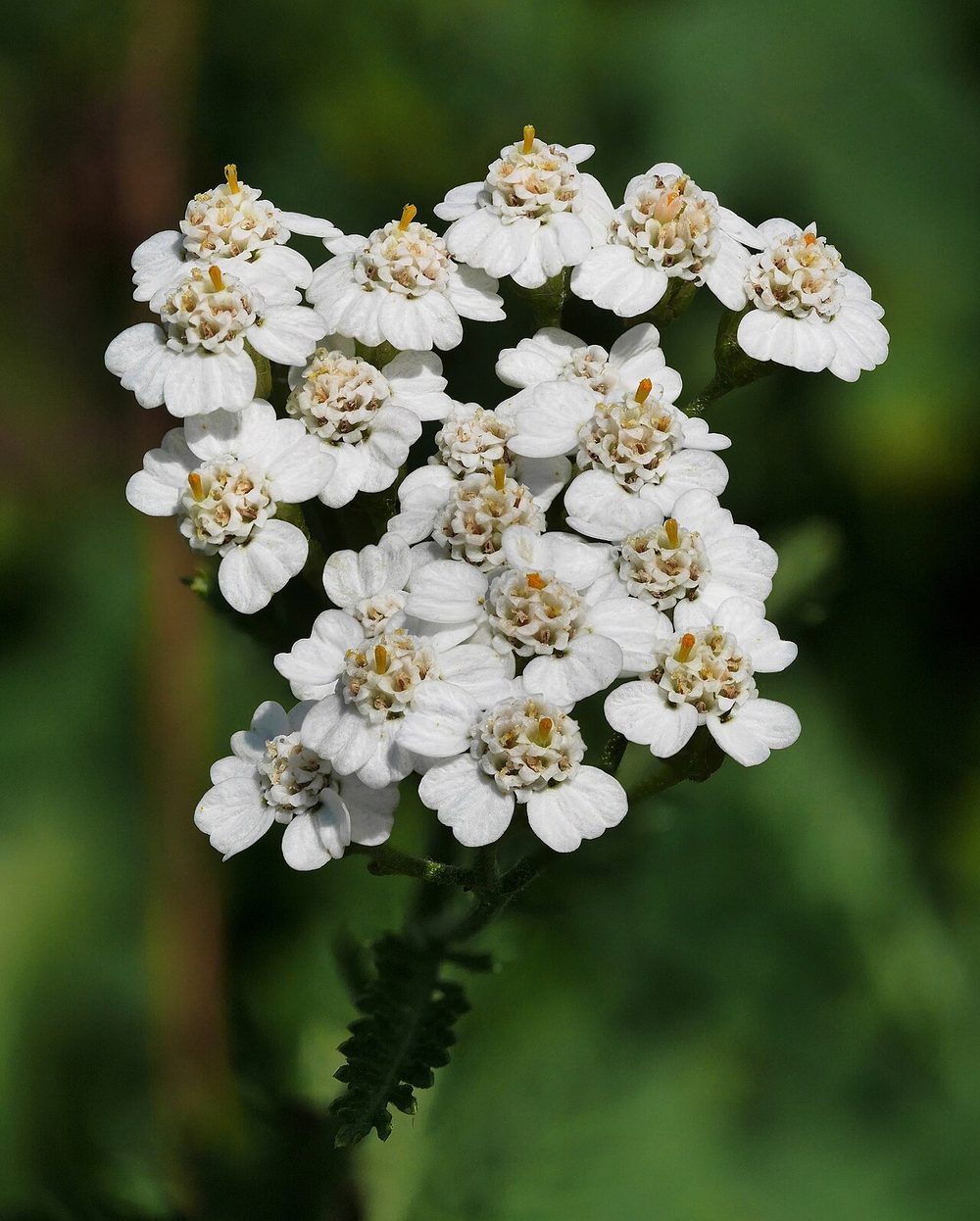
Yarrow
Photo: Petar Milošević, CC BY-SA 4.0, via Wikimedia Commons

Yarrow

Achillea millefolium

MedicinalDigestive HealthSkin Health

One of the oldest traditional wound herbs, known as soldier's woundwort.
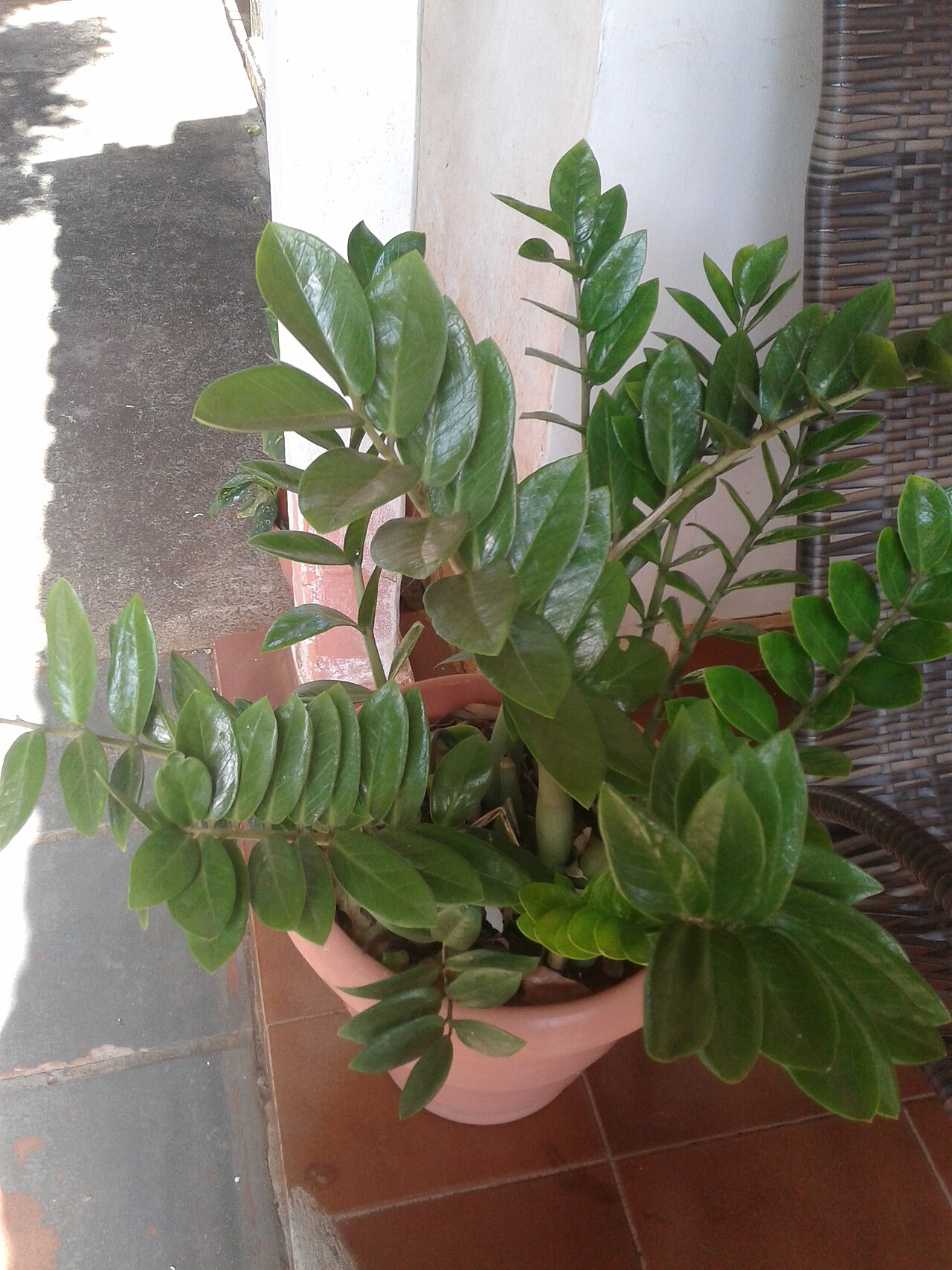
ZZ Plant
Photo: O fungo azul, CC0, via Wikimedia Commons

ZZ Plant

Zamioculcas zamiifolia

Ornamental

The ZZ Plant is the strong, silent type.

No entries match. Clear the search or filters to see the full library.

Okra
Photo: Rohan Pinto, CC BY-SA 4.0, via Wikimedia Commons

Okra

Abelmoschus esculentus

Culinary — fruit

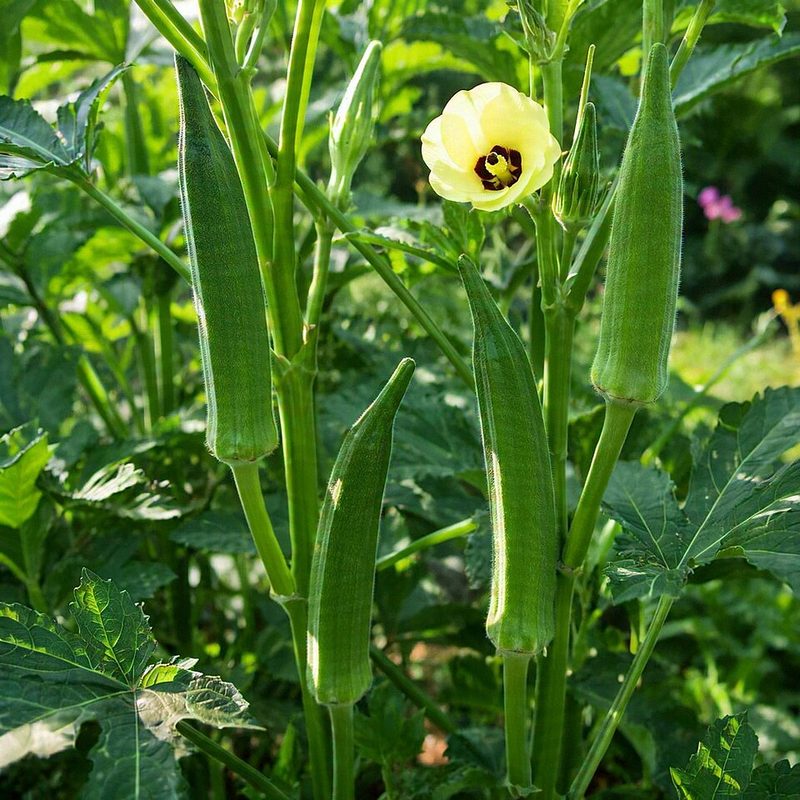
A warm-season pod vegetable in the mallow family — kin to mallow, and to hibiscus and cotton, which its beautiful pale-yellow flowers make easy to believe. The young pods are picked tender; left alone they grow tough and woody.
Origin & Lineage

  • Okra's exact birthplace is still argued over. The Ethiopian highlands — reaching into Eritrea and Sudan — are the most favoured origin, with West Africa and South Asia also claimed; what is certain is that it was cultivated in Egypt by the 12th–13th centuries, where it was called bamya, a name still used across the Middle East.
  • It reached the Americas in the 17th century through the transatlantic slave trade — recorded in Brazil by 1658 and in the American South by the late 1680s — carried by African people who kept their foodways alive through the crossing. It remains a cornerstone of African diaspora cooking.
  • Even its English names carry the journey: “okra” comes from the Igbo ọ́kụ̀rụ̀, and “gumbo” from the Bantu ki ngombo.
  • Modern varieties branch from that heritage — heirloom Southern standards, red-podded ornamentals, and dwarf hybrids bred for pots.

Health Benefits

  • Low in calories (33 kcal per 100 g raw) and a good source of fibre — about 3.2 g per 100 g — including the mucilage, a soluble, gel-forming fibre that gives okra its famous silkiness and slows the absorption of sugar and cholesterol in the gut.
  • A good source of vitamin C (23 mg per 100 g, about 26% of the daily value), vitamin K (about 26%), folate (about 15%), magnesium and manganese.
  • Pooled analyses of small clinical trials have found modest reductions in fasting blood sugar and LDL cholesterol with okra preparations — but the trials used concentrated powders and extracts (around 3,000 mg a day), not plate-sized portions of the vegetable. Promising, and a good reason to enjoy okra often — but it is not a treatment for diabetes or high cholesterol.
  • Caution: okra may interfere with how the diabetes medicine metformin is absorbed — if you take it, keep okra at ordinary food portions, space it away from the dose, and mention it to your clinician.
  • Caution: okra contains oxalates, natural compounds found in many plants that can add to kidney stones in people prone to them, so people prone to kidney stones may want to moderate portions.

Varieties

Clemson Spineless

Clemson Spineless
Photo: Steffen Bauer (saatpilot.de), CC BY 4.0, via Wikimedia Commons
Skin
Flesh

The standard: dark green, spineless pods on plants about 4 feet tall. An open-pollinated heirloom and All-America Selections winner (1939). Pick at 3–4 inches; pods can reach 9 inches but toughen.

Red Burgundy

Skin
Flesh

Red stems and burgundy pods that turn green as they cook. Ornamental enough for a flower bed, and tender to about 7 inches. Ready in about 55 days.

Baby Bubba

Skin
Flesh

A dwarf hybrid, just 3–3.5 feet tall, bred for containers and small gardens. Dark green pods about 3 inches long, ready in about 53 days.

Annie Oakley II

Skin
Flesh

An early hybrid (about 50–55 days), 4–4.5 feet tall, with long, slender, spineless green pods. Heavy yields, and the pods hold well on the plant between pickings.

Around the World

Louisiana — gumbo: okra is one of the stew's classic thickeners, alongside filé and roux.
West Africa — okra soups, drawn silky with the pod's own mucilage, eaten with fufu and other staples.
India — bhindi masala: okra fried with onion, tomato and spices, cooked dry so it stays crisp rather than slick.
Middle East — bamia: okra simmered in a garlicky tomato stew, often with lamb.
Brazil — caruru: okra cooked with dried shrimp, peanuts and dendê oil, an Afro-Brazilian dish of Bahia.
American South — fried okra, sliced, cornmeal-crusted and crisped.

In the Garden

  • A true heat-lover: sow or transplant only once the soil is warm, and it will shrug off the hottest weeks that stall other crops.
  • The hibiscus-like flowers are visited by bees and other pollinators before each one becomes a pod.
  • A deep taproot helps it tolerate dry spells once established, and lets it draw minerals up from below the reach of shallow roots.
  • Pick every day or two at 3–4 inches — frequent picking keeps the plant producing all season.

Sources

  • USDA FoodData Central — nutrient values for okra, raw
  • Frontiers in Nutrition meta-analysis (2024) — okra preparations and blood sugar and cholesterol in trials, at extract doses
  • Pooled analysis of okra trials (2026) — fasting-glucose reduction from concentrated okra powders
  • NC State Extension and Cornell variety references — okra variety notes
Peppers
Photo: George Chernilevsky, CC BY 4.0, via Wikimedia Commons

Peppers

Capsicum (five domesticated species)

Culinary · Medicinal — fruit

One plant family that runs the whole scale — from the sweet bell, with no heat at all, to the habanero, where a sliver flavours a pot. Peppers are a single genus, Capsicum, with five domesticated species; the everyday kinds are mostly Capsicum annuum, with the habanero from Capsicum chinense. The heat comes from capsaicin, concentrated in the pale membrane inside the fruit — not, as most people guess, mainly in the seeds.

Origin & Lineage

  • Wild peppers began in the eastern Andes, in what is now Bolivia and southern Peru, and people have eaten them since at least 7,500 BC. Capsicum annuum — the species behind bells, jalapeños, poblanos and cayennes — was domesticated in Mexico some 6,000 years ago.
  • Columbus met peppers in 1492 and misnamed them after black pepper. The mistake stuck; the plant did not wait around. Within fifty years Spanish and Portuguese traders had carried it to Africa, India and Southeast Asia; it reached China by the mid-1500s and Hungary by Ottoman trade routes, where it became paprika.
  • By 1600 peppers were established from Korea to West Africa — arguably the fastest global spread of any New World food, because they slotted into the place black pepper and local hot spices already held.
  • A naming footnote: Capsicum chinense, the habanero's species, is South American through and through — a botanist wrongly assumed it came from China, and the error is preserved in its Latin name.

Health Benefits

  • Ripe red bell peppers are among the richest common sources of vitamin C — about 128 mg per 100 g (142% of the daily value), more than oranges by weight. Green bells give about 80 mg; peppers gain vitamin C and vitamin A as they ripen from green to red.
  • Red peppers are also a good source of vitamin A (about 157 µg RAE per 100 g), supporting normal vision and immunity.
  • Capsaicin, the heat compound, has one firmly established medical use: applied to the skin in creams and patches, it eases nerve and joint pain. That is a medicine use of the concentrated compound — eating peppers is not the same thing.
  • Claims that eating chillies meaningfully boosts metabolism or burns fat come from small, short-lived effects in trials; they are too slight to state as a benefit, so they are not claimed here.
  • Caution: hot peppers can aggravate reflux and sensitive stomachs. When preparing hot varieties, wear gloves if your skin is sensitive, wash hands well, and never touch your eyes — the heat sits in the pale membrane, so removing membrane and seeds tames a pepper more than rinsing does.

Varieties

Heat in Scoville units (SHU) — bell pepper is 0; pure capsaicin is about 16 million.
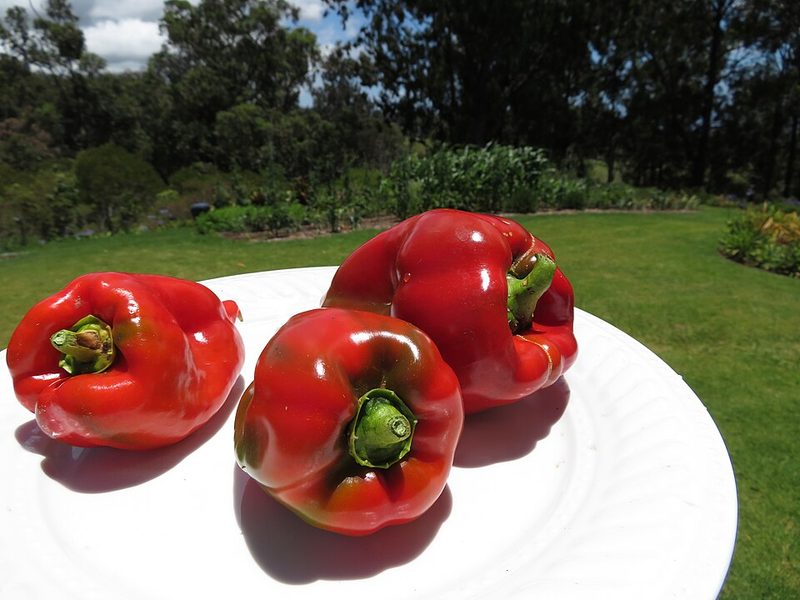
Bell

Bell
Photo: Forest and Kim Starr, CC BY 2.0, via Wikimedia Commons
Skin
Flesh

Sweet, thick-walled and juicy; green bells are simply unripe, and ripen to red, orange or yellow with more sweetness and vitamins. The everyday stuffing and salad pepper.

Heat: 0 SHU
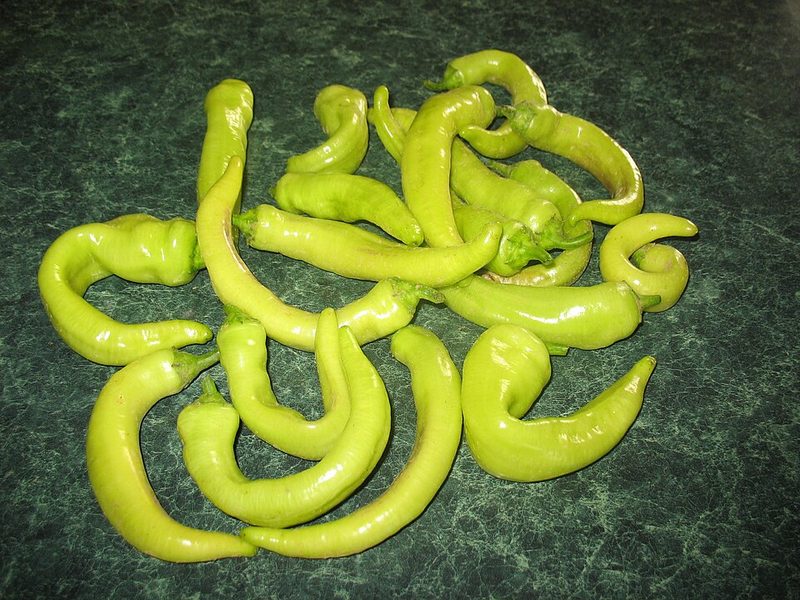
Banana

Banana
Photo: Chris Breeze, CC BY 2.0, via Wikimedia Commons
Skin
Flesh

Long, pale-yellow and mild, with a gentle tang. Best known pickled in rings for sandwiches and salads; sweet types are good fresh too.

Heat: 0–500 SHU
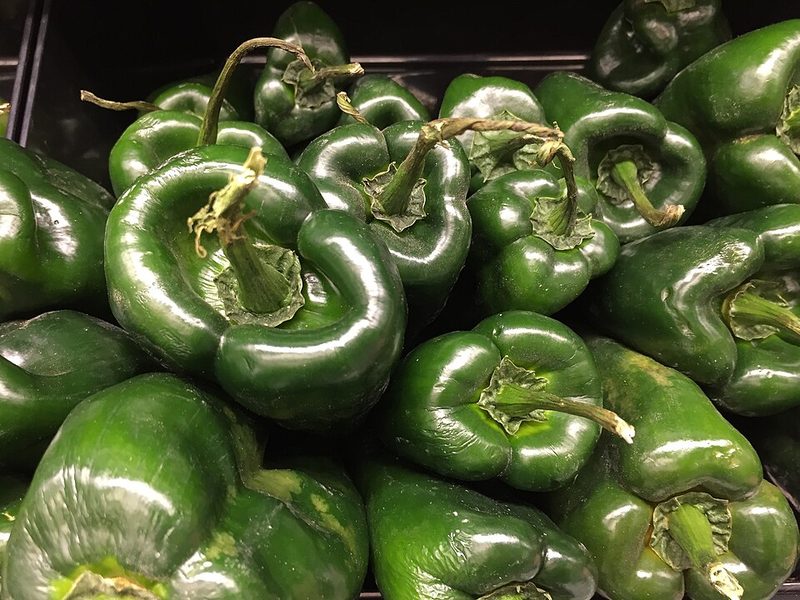
Poblano

Poblano
Photo: Jonathan Cutrer from San Angelo, Texas, United States, CC0, via Wikimedia Commons
Skin
Flesh

Broad, dark green and rich, with earthy depth under mild heat. The roasting and stuffing pepper of Mexico (chiles rellenos); dried, it becomes the ancho.

Heat: 1,000–2,000 SHU
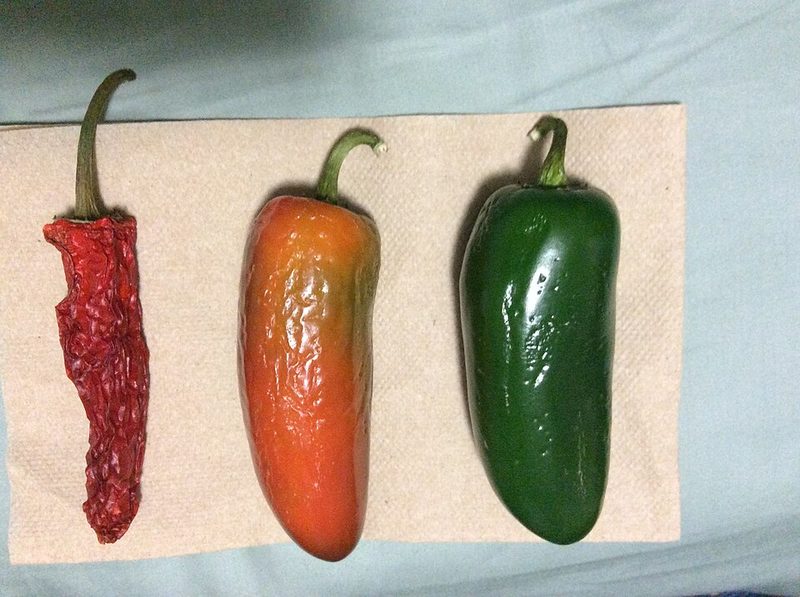
Jalapeño

Jalapeño
Photo: Conrads.wikipedia.account, CC BY-SA 4.0, via Wikimedia Commons
Skin
Flesh

Bright, grassy, everyday heat; picked green, or left to redden. Smoked and dried, it becomes the chipotle.

Heat: 2,500–8,000 SHU
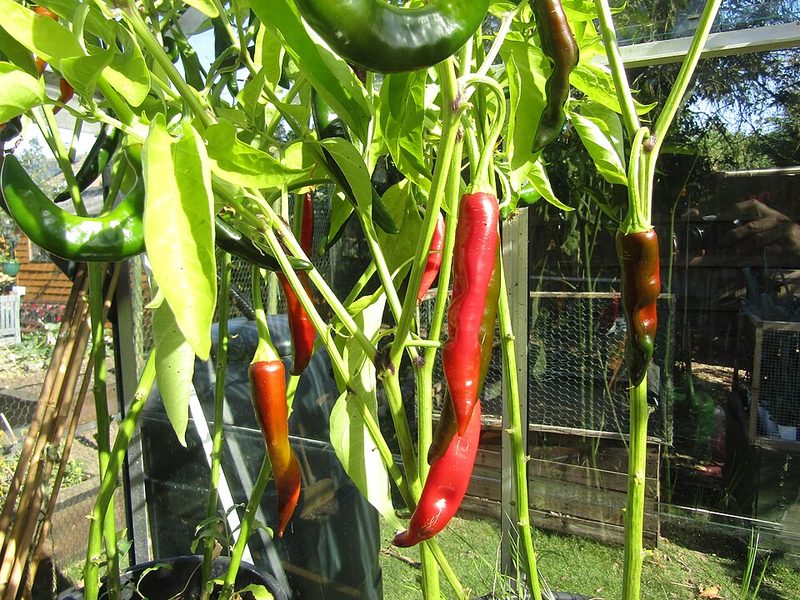
Cayenne

Cayenne
Photo: Kolforn, CC BY-SA 4.0, via Wikimedia Commons
Skin
Flesh

Long, thin and red, with a sharp, clean burn. The classic drying pepper — ground into cayenne powder and shaken into hot sauces.

Heat: 30,000–50,000 SHU
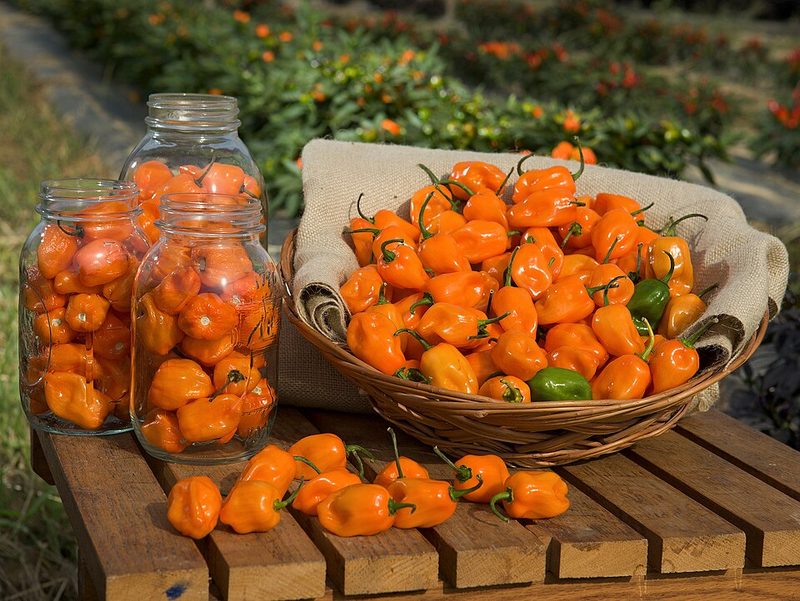
Habanero

Habanero
Photo: Stephen Ausmus, Public domain, via Wikimedia Commons
Skin
Flesh

Small, lantern-shaped, usually orange — fiercely hot, but with a fruity, almost floral flavour under the fire. A little goes a very long way. (Capsicum chinense.)

Heat: 100,000–350,000 SHU

Around the World

Mexico — poblanos roasted and stuffed as chiles rellenos; jalapeños pickled en escabeche; a salsa for every region.
Hungary — paprika, from sweet to hot, is the soul of goulash; the peppers arrived via Ottoman trade and were bred into national varieties.
Korea — sun-dried chillies ground into gochugaru flakes give kimchi its red heat — a New World pepper at the heart of an old tradition.
Thailand — bird's eye chillies pounded into curry pastes and stirred through dishes for bright, fierce heat.
Spain — smoked pimentón from La Vera, and padrón peppers blistered in olive oil and salted.
Louisiana — cayenne-based hot sauces, fermented and bottled, shaken over everything.

In the Garden

  • Heat-loving and slow to start: in cooler climates, sow indoors 8–10 weeks before the last frost and transplant into the warmest, sunniest spot.
  • Peppers are self-pollinating, but bees working the flowers improve fruit set; a flowering plant draws pollinators into the garden.
  • Fruit left to ripen fully — green to red — gains sweetness and vitamins; harvesting green encourages the plant to keep producing.
  • Save seed from open-pollinated varieties, but grow hot and sweet types apart if you want the seed to come true — peppers cross-pollinate readily.

Sources

  • USDA FoodData Central — nutrient values for red and green bell peppers
  • NC State Extension — pepper variety references
  • Cornell — pepper variety references
Sweet Potato
Photo: Filo gèn', CC BY-SA 4.0, via Wikimedia Commons

Sweet Potato

Ipomoea batatas

Culinary — root, leaf

A sweet, starchy storage root — a root that swells to store the plant's food, and the part we eat — from tropical America, and a member of the morning glory family — the trailing vines and trumpet flowers give it away. It is not a true yam, and not a potato either: it is its own plant, and one of the most nourishing common foods in the world.

Origin & Lineage

  • Sweet potatoes were domesticated in tropical America at least 5,000 years ago, most likely in Central America; dried remains found in Peru's Chilca Canyon date back some 10,000 years.
  • Long before European ships, the plant crossed the Pacific: sweet potatoes were growing in Polynesia by about 1000–1100 CE, and genetic studies of old herbarium specimens support a pre-Columbian journey from the Peru–Ecuador coast. Even the names echo each other — Quechua kumar and Polynesian kumara / kūmara.
  • After 1492 it travelled the other way too, with Spanish and Portuguese traders carrying it to Africa, India and Asia. In Mexico and the Philippines it is still camote, from the Nahuatl camotli.
  • Nearly all modern varieties branch from that American ancestry — bred in Louisiana, Japan, Okinawa and beyond for colour, sweetness and texture.

Health Benefits

The root

  • Exceptionally rich in vitamin A: one medium baked sweet potato provides about 1,096 µg RAE — RAE is the measure of vitamin A the body can use — roughly 122% of the daily value — in the form of beta-carotene, which the body converts as needed. Vitamin A supports normal vision and the immune system.
  • A good source of fibre — about 3.8 g in a medium potato — which supports digestion and steadier blood sugar. Boiled sweet potato sits in the moderate range of the glycaemic index — the scale of how quickly a food raises blood sugar — at around 41–50.
  • Provides vitamin C (about 20–25% of the daily value) and potassium (about 542 mg per medium potato), which helps keep blood pressure in the normal range as part of a balanced diet.
  • In a randomised trial, orange sweet potato improved vitamin A stores in schoolchildren — one reason it is used in public-health programmes where vitamin A deficiency is common.
  • Purple-fleshed varieties carry anthocyanins, the same family of pigments that colour blueberries; the orange varieties carry the beta-carotene. Colour is a fair guide to what a variety offers.

The leaves

  • The leaves are a food in their own right. Cooked as a green across Asia, Africa and Latin America, they are rich in beta-carotene, B vitamins, iron, calcium and protein, and carry more antioxidative polyphenols than many commercial vegetables.
  • Caution: sweet potatoes contain moderate oxalates, natural compounds found in many plants that can add to kidney stones in people prone to them, so people prone to kidney stones may want to moderate portions. Eating a great deal can tint the skin slightly orange — harmless, and it fades.

Varieties

Beauregard

Skin
Flesh

Rose-copper skin, deep orange flesh. Moist, reliably sweet, a little fibrous. The American standard and an all-rounder: pies, purées, roasting.

Garnet (Red Garnet)

Skin
Flesh

Dark reddish-purple skin, bright orange flesh. Especially moist and soft, sweet with a hint of squash-like savouriness. Often sold as a “yam.”

Jewel

Skin
Flesh

Copper skin, bright orange flesh. Moist and dependable, slightly less sweet than Beauregard, and it holds its shape — good for cubes and hashes.
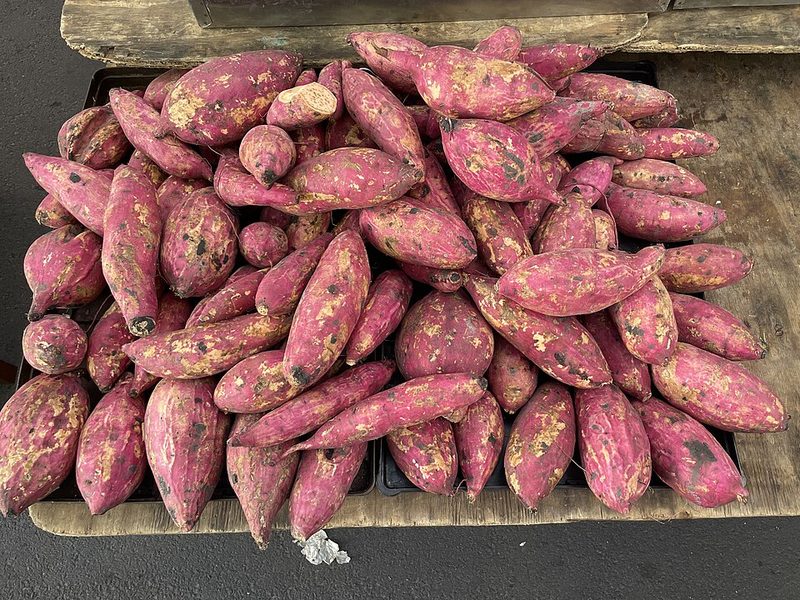
Japanese / Murasaki

Japanese / Murasaki
Photo: Mtenaespinoza, CC0, via Wikimedia Commons
Skin
Flesh

Purple-red skin, white flesh that turns golden as it cooks. Dry, fluffy and starchy, with a chestnut-and-vanilla sweetness. Best roasted whole. (Murasaki itself was bred in Louisiana from Japanese stock.)

Okinawan Purple

Skin
Flesh

Plain tan skin hiding vivid magenta-purple flesh. Dense and drier, mildly sweet and earthy-chestnut in flavour. A staple of Okinawa, loved in desserts.

Around the World

Peru — camote is served alongside ceviche, its sweetness set against the lime and chilli.
Japan — yakiimo: whole satsumaimo sweet potatoes stone-roasted until syrupy, sold from trucks in winter.
Philippines — kamote cue: skewered slices caramelised in brown sugar.
American South — candied “yams” and sweet potato pie, a holiday table standard.
New Zealand — kūmara, a Māori staple traditionally cooked in a hāngī earth oven.

In the Garden

  • Grown from slips — rooted sprouts from a stored root — rather than seed; plant after all frost, in warm, loose soil.
  • The vigorous vines make a living ground cover, shading the soil, holding moisture and crowding out weeds through the summer.
  • Frost-tender and heat-loving: the longer and warmer the season, the better the roots size up.
  • The young leaves are edible too, cooked as a green in many of the cultures that grow the roots.

Sources

  • USDA FoodData Central — nutrient values for sweet potato baked in skin
  • NIH Office of Dietary Supplements — vitamin A values for baked sweet potato
  • Randomised controlled trial of orange-fleshed sweet potato in schoolchildren — improved vitamin A stores
  • PNAS (2013) — herbarium genetics supporting pre-Columbian transfer of sweet potato to Polynesia
  • NC State Extension, Cornell and LSU AgCenter cultivar releases — variety notes
Tomato
Photo: 4028mdk09, CC BY-SA 3.0, via Wikimedia Commons

Tomato

Solanum lycopersicum

Culinary — fruit

A tender fruit eaten as a vegetable, and a member of the nightshade family — kin to the Peppers in this chapter, and to potatoes and aubergines. The ripe fruit is the food; the rest of the plant is not. Few garden plants have travelled further, or been more wrongly accused along the way.

Origin & Lineage

  • The wild tomato began in the Andes of western South America, in what is now Peru and Ecuador — a currant-sized fruit on a scrambling vine. It travelled north and was domesticated in pre-Columbian Mexico, where the Aztecs grew many kinds and called it tomatl, the root of the word “tomato.”
  • Spanish ships carried it to Europe in the early 1500s. Spain and Italy took to it first; France and northern Europe grew it as an ornamental curiosity and feared it as a food, because botanists recognised it as a relative of deadly nightshade — it picked up the nickname “poison apple.”
  • The fear was misplaced for the ripe fruit, but not baseless for the plant: the leaves, stems and roots carry bitter glycoalkaloids — the plant's own chemical defences — and are genuinely not food. By the 1700s and 1800s Italy had made the tomato its own, and from there it went everywhere.
  • Modern varieties branch from that one Mesoamerican domestication into beefsteaks, plums, cherries and heirlooms by the thousand.

Health Benefits

  • The tomato's signature compound is lycopene — the red pigment, and an antioxidant, a compound that helps protect the body's cells from damage. Raw tomatoes carry about 2.6 mg per 100 g. Cooking tomatoes in a little oil breaks down their cell walls and makes the lycopene far easier to absorb, and concentrated tomato paste carries many times more per spoonful.
  • A useful everyday source of vitamin C — about 14 mg per 100 g (15% of the daily value) — and of potassium (237 mg per 100 g), which helps keep blood pressure in the normal range as part of a balanced diet.
  • Also provides vitamin K (about 8 µg per 100 g), folate and a little vitamin A, at only 18 kcal per 100 g — a tomato is mostly water.
  • Diets rich in tomatoes are associated in population studies with lower rates of prostate cancer and heart disease. That is a pattern observed in how people eat, not proof from trials that tomatoes prevent either disease — the honest claim is that tomatoes sit squarely in the way of eating that is linked with better health.
  • Caution: eat only the ripe fruit. The leaves, stems and unripe green fruit carry the plant's glycoalkaloid defences and are not food.
  • Caution: tomatoes are acidic and can aggravate reflux in people prone to it.

Varieties

Brandywine

Skin
Flesh

The famous heirloom beefsteak: large pink fruit, often a pound or more, on potato-leaved plants. Rich and sweet-tart, slow and not a heavy bearer — grown for flavour, not quantity. Slicing and sandwiches.

Cherokee Purple

Skin
Flesh

A pre-1890 Tennessee heirloom, shared through Seed Savers Exchange in 1990: dusky rose-purple shoulders over deep red flesh, 10–12 oz fruit. Rich, smoky-sweet and full-flavoured. Fresh eating and salads.

San Marzano

Skin
Flesh

Italy's sauce tomato, from the Sarno valley near Naples: long plum fruit with thick flesh, few seeds and little water. The standard for Neapolitan pizza sauce and passata. Cooking and canning.

Roma

Skin
Flesh

The everyday plum: firm, meaty and few-seeded, bred for sauces and paste. Dependable and widely grown where San Marzano seed is hard to find.

Sungold

Skin
Flesh

An orange cherry with intense, candy-sweet flavour and heavy crops over a long season. Eating off the vine and salads.

Around the World

Mexico — the tomato's cultivated homeland: salsas raw and roasted, and tomatoes simmered into the sauces of a hundred regional dishes.
Italy — San Marzano tomatoes crushed for Neapolitan pizza and slow Sunday sauces; the tomato became so Italian that its journey to America was really a return trip.
Spain — gazpacho, the cold tomato soup of Andalusia, and pan con tomate: ripe tomato rubbed over grilled bread with olive oil and salt.
India — tomato cooked into the base of countless curries and dals, and chopped fresh into kachumber salads with onion and lime.

In the Garden

  • A warm-season crop through and through: start seed indoors 6–8 weeks before the last frost and plant out only into warm soil; cold nights stall it.
  • Two habits to choose between. Indeterminate types vine on and crop until frost — stake them, and pinch out the side shoots (“suckers”) in the leaf joints for order. Determinate types grow as a bush and ripen their crop in one flush — better for pots and for paste-making.
  • Uneven watering shows up as blossom end rot: a dark, sunken patch at the fruit's base, where calcium could not keep up with growth. Steady moisture and a mulch prevent most of it.
  • The flowers are pollinated by bumblebees, whose buzzing shakes the pollen loose — a flowering garden helps feed itself.

Sources

  • USDA FoodData Central — nutrient values for ripe tomatoes and tomato paste, including lycopene
  • Encyclopaedia Britannica — tomato origin, the "poison apple" years and poisonous leaves
  • NIH / National Cancer Institute — evidence for lycopene preventing prostate cancer insufficient
  • Seed Savers Exchange — Cherokee Purple provenance; Appalachian Seeds catalogue variety notes
Onion
Photo: Alex Lomas, CC BY 2.0, via Wikimedia Commons

Onion

Allium cepa

Culinary — root, leaf

A bulb of layered leaves in the allium family — kin to garlic, leeks, chives and shallots — and the base note of nearly every cuisine on earth. Cultivated for more than 5,000 years, it is one of the oldest truly global vegetables, and it flavours a dish raw, sweated, caramelised, pickled or fried.

Origin & Lineage

  • The onion's exact wild ancestor is unproven, but the plant was domesticated in Central Asia — the region of modern Iran and Pakistan — and was already ancient when the Egyptians revered it, laying onions in tombs as a symbol of eternity.
  • From there it travelled every road: Greek athletes ate onions for strength, Roman armies marched on them, and medieval Europe grew them in every garden. Columbus carried onions to the Americas, where they joined the chilli and the tomato.
  • All modern onions branch from that one species: dry storage bulbs, sweet fresh-eating types, bunching onions grown for their green tops, and shallots that divide into clusters of small bulbs.
  • The family resemblance is chemistry. All alliums arm themselves with sulfur compounds, released when the cells are cut; in onions, one of them rises as a gas and makes the cook cry — the price of admission for everything the onion gives back.

Health Benefits

The bulb

  • Onions are among the richest everyday sources of quercetin — an antioxidant plant pigment, concentrated in the outer rings and just under the skin. Red onions carry the most, along with the anthocyanin pigments that colour them. A medium onion carries roughly 20–50 mg of quercetin, though the amount swings widely by variety. What is established is the onion's place as a top dietary source; quercetin as a treatment is not established.
  • The bulb's fibres include fructans — chains of fruit sugars that pass undigested to the gut's bacteria, which ferment and feed on them: a prebiotic fibre, fibre that feeds the friendly gut bacteria. About 2 g per 100 g.
  • The sulfur compounds that make eyes water belong to the same family of compounds studied in garlic for heart and circulation effects. In onions the human evidence is thinner, so enjoy them as food, not medicine.

The green tops

  • Useful everyday amounts of vitamin C (7.4 mg per 100 g), vitamin B6 and folate, at 40 kcal per 100 g. The green tops, eaten as spring onions, carry more vitamin C and vitamin A than the bulb itself.
  • Caution: those same fructans are FODMAPs — fermentable carbohydrates that trigger bloating and discomfort in many people with irritable bowel syndrome. Thorough cooking softens the effect, and the green tops alone are much gentler.
  • Caution, for the household: onions are toxic to dogs and cats — alliums damage their red blood cells. Keep onion scraps and onion-heavy dishes away from pets.

Varieties

Yellow (storage types such as Patterson)

Skin
Flesh

The workhorse: firm, pungent and golden-brown, bred to keep for months — up to 10–12 months for the best storage types, properly cured. The cooking onion of soups, stews and caramelising.

Red (such as Redwing)

Skin
Flesh

Deep red-purple rings, milder eaten raw, and the richest in quercetin and anthocyanins. Salads, pickling and grilling; the colour fades with long cooking.

White (such as White Bermuda)

Skin
Flesh

Crisp and bright, a little sharper than yellow; the onion of Mexican cooking, fresh salsas and sharp raw garnishes.

Walla Walla

Skin
Flesh

The famous sweet onion from Walla Walla, Washington: huge, mild and juicy, sweet enough to slice and eat. A summer onion, eaten fresh — too watery to store for long.

Shallot

Skin
Flesh

A dividing member of the same species: clusters of small, copper-skinned bulbs with a fine, mild flavour somewhere between onion and garlic. The sauce-maker's allium, and it stores superbly.

Around the World

France — soupe à l'oignon: onions cooked slowly to deep sweetness, capped with bread and Gruyère — proof that the humblest bulb can carry a feast.
India — onions browned in ghee or oil form the base of countless curries, and sliced onion bhajis are the beloved fritters of tea time.
Mexico — cebolla encurtida: red onions pickled in lime juice or vinegar, the bright pink condiment spooned over tacos and cochinita pibil.
Ethiopia — wat stews begin with a mountain of onions cooked down dry and slow, before the berbere spice and the butter go in. The onion is the sauce.

In the Garden

  • Onions bulb up in answer to day length: long-day types suit northern gardens, bulbing in the long days of summer; short-day types suit the south. Match the type to your latitude, or you get tops and no bulbs.
  • Grow them from seed, from sets (small dormant bulbs) or from transplants. The roots are shallow and thirsty, so steady water and a weed-free bed matter more than feeding.
  • The whole plant earns its place: young thinnings from the row are spring onions; the flowering stalks of a bolting plant can be eaten like chives; and the dry outer skins make a traditional golden-brown dye for eggs and cloth. Only the roots go to the compost.
  • Harvest when the tops fall over, cure the bulbs in a dry, airy place until the necks are papery, and eat the sweet types first — storage types keep for months, sweets for only a few weeks.

Sources

  • USDA FoodData Central — nutrient values for onions, raw, and green onion tops
  • USDA flavonoid database — onions among the richest common sources of quercetin
  • Monash University FODMAP guidance — onion fructans and IBS; green tops as the low-FODMAP part
  • ASPCA — Allium species toxic to dogs and cats
  • Encyclopaedia Britannica — onion history and cultivation
Green Beans
Photo: Juan Emilio Prades Bel, CC BY 4.0, via Wikimedia Commons

Green Beans

Phaseolus vulgaris

Culinary — fruit, seed

The green bean is the young, tender pod of the common bean — the same species that gives the world kidney beans, black beans and pintos, picked weeks early, before the seeds inside have swelled. Eaten pod and all, it is one of the most generous plants in the garden, and one of the few vegetables that feeds the soil while it feeds the gardener.

Origin & Lineage

  • The common bean was domesticated twice, independently, more than 7,000 years ago — once in Mesoamerica, in what is now Mexico, and once in the Andes of South America. Those two beginnings survive as the bean's two great gene pools, and nearly every bean grown today descends from one or the other.
  • In North America, beans became one of the Three Sisters, planted by Indigenous farmers with corn and squash: the corn gave the bean a pole to climb, the squash shaded the ground, and the bean fed the soil.
  • Beans reached Europe after 1492 and spread quickly — a plant whose dry seed stored for winter and whose young pods made a fresh summer vegetable. The pods were stringy, though, until breeders removed the tough string in the late 1800s; almost every garden bean since is stringless.
  • A green bean is a use, not a separate species: any common bean picked young can be one, but the varieties below were bred for the pod itself — round or flat, green, yellow or purple.

Health Benefits

The pods

  • Low in calories (31 kcal per 100 g raw) with useful fibre — about 2.7 g per 100 g — which supports digestion and helps keep blood sugar steadier.
  • A good source of vitamin K — about 43 µg per 100 g, roughly a third of the daily value. Vitamin K is the vitamin the body uses to clot blood normally and to build and maintain bone. (People who take warfarin are usually advised to keep their vitamin K intake steady rather than avoid it — green beans are a meaningful source, so portions are best kept regular.)
  • Provides vitamin C (12.2 mg per 100 g, about 14% of the daily value), folate (about 33 µg, 8% of the daily value) and some vitamin A, plus lutein and zeaxanthin — the yellow pigments, found in green vegetables, that collect in the eye.

The seeds

  • The whole plant gives twice: pods picked young are the green bean, and pods left to ripen on the same plant yield dry beans — the protein-rich staple that has fed more people than almost any other seed.
  • Caution: like other beans, green beans carry natural compounds called lectins, which cooking breaks down. Green beans are at their best — and safest — cooked or lightly blanched, not eaten raw by the handful.

Varieties

Blue Lake (bush)

Skin
Flesh

The classic all-purpose bean: straight, stringless, dark green pods about 6 inches long on compact bushes, cropping heavily all at once. Bred from the older Blue Lake pole bean; the standard for canning and freezing.

Kentucky Wonder (pole)

Skin
Flesh

An American heirloom from before the Civil War, first sold as Texas Pole and renamed in 1877. Vigorous vines climb to 8 feet and give long, meaty pods with deep, old-fashioned bean flavour. Needs a trellis and repays it all season.

Provider (bush)

Skin
Flesh

Among the earliest and most dependable: it sprouts in cool soil that stalls other beans and gives tender pods in about 50 days. A first bean of spring for short seasons.

Romano (flat-podded types)

Skin
Flesh

Broad, flat Italian pods with a rich, almost meaty flavour that stands up to slow cooking. The bean for braising in tomato sauce; pick at 4–6 inches.

Haricots Verts / French filet (such as Maxibel)

Skin
Flesh

Extra-thin, elegant pods picked while pencil-slim. The French ideal of a green bean; best barely cooked, while still bright.

Cherokee Wax (yellow wax type)

Skin
Flesh

Golden-yellow pods, mild and buttery, tender even when large. The colour is a gardener's gift: the beans are easy to spot among green leaves at picking time.

Around the World

France — haricots verts, blanched until just tender and dressed simply, or folded into salade niçoise with tuna, egg and olives.
China — Sichuan dry-fried green beans (gān biān sì jì dòu): blistered in a hot, nearly dry wok until wrinkled, then tossed with chilli, Sichuan pepper and seasoned minced pork.
Lebanon & the Middle East — loubieh bi zeit: green beans braised gently in olive oil with tomato, onion and garlic, eaten warm or at room temperature.
American South — green beans simmered long and slow with ham until silky — and, since 1955, baked into the green bean casserole that anchors the Thanksgiving table.

In the Garden

  • Beans fix their own nitrogen. Bacteria living in nodules — small bumps — on their roots pull nitrogen gas from the air and share it with the plant, so beans leave the soil richer than they found it. This is the quiet work behind the Three Sisters planting.
  • Sow seed directly where it will grow, after the last frost, into warm soil. Beans dislike being transplanted and sulk in cold, wet ground.
  • Bush types crop heavily over a few weeks, so sow a short row every two or three weeks for a steady supply. Pole types crop lighter but longer, up a trellis or a corn stalk.
  • Pick young and pick often. A pod left to swell with seed tells the plant its work is finished, and production slows.
  • The leaves are not eaten. With beans, the harvest is the pod and the seed inside it — nothing else on the plant is food.

Sources

  • USDA FoodData Central — nutrient values for green snap beans, raw
  • Bitocchi et al. (2013) — parallel domestication of the common bean in Mesoamerica and the Andes
  • Oxford University, Plants 400 — Phaseolus vulgaris profile and the Three Sisters system
Carrot
Photo: woodleywonderworks, CC BY 2.0, via Wikimedia Commons

Carrot

Daucus carota subsp. sativus

Culinary — root, leaf

A sweet storage root in the parsley family — kin to parsnips, celery and coriander — and the vegetable with the most surprising colour history in the garden. The root is the famous part, but the feathery tops are food too.

Origin & Lineage

  • The wild carrot still grows along roadsides as Queen Anne's lace: a thin, pale, bitter root under a froth of white flowers. The cultivated carrot was bred from it in Central Asia, in the Persian world of modern Iran and Afghanistan, around the 10th century.
  • Those first carrots were purple and yellow, not orange. They travelled west with the Islamic world into Spain and across Europe, and east to China, where the carrot was nicknamed the “Iranian turnip.”
  • The orange carrot is a latecomer: Dutch growers of the 16th–17th centuries selected it from yellow stock, fixing the deep orange colour and sweetness that then spread everywhere and pushed the older colours aside. The story that they bred it to honour William of Orange is often told — treat it as a good story, not a settled fact.
  • Modern breeding has circled back: purple, yellow, red and white carrots are returning to the seed catalogues, each colour carrying a different pigment and a slightly different offering.

Health Benefits

The root

  • The orange colour is beta-carotene, which the body converts into vitamin A as needed: 100 g of raw carrot carries about 835 µg RAE — roughly 93% of the daily value — plus alpha-carotene, a close relation. Vitamin A supports normal vision and the immune system.
  • One honest boundary on vision: a lack of vitamin A does damage eyesight, and carrots genuinely help where that lack exists. But the famous claim that carrots gave wartime RAF pilots superhuman night vision was a British cover story, told to hide radar. Carrots support normal vision; they do not upgrade it.
  • Fibre at 2.8 g per 100 g and potassium at 320 mg, for 41 kcal — a crunchy, filling, inexpensive staple.
  • Cooking carrots and eating them with a little fat makes their carotenes easier to absorb. Raw sticks are good; a roasted carrot in oil gives up more of its vitamin A.

The leaves

  • Colour is a guide here too: purple carrots add anthocyanins, the blueberry pigments; yellow carrots carry more lutein, a pigment concentrated in the eye. And the tops are edible and nutritious in their own right — carrot-top pesto and chimichurri are the traditional ways to use them.
  • Caution: eating very large amounts of carrots, or drinking a lot of carrot juice, over weeks can tint the skin orange — carotenemia. It is harmless and fades when the intake eases.

Varieties

Scarlet Nantes

Skin
Flesh

The French standard: cylindrical, blunt-tipped, 6–7 inches, nearly coreless and exceptionally sweet. The fresh-eating carrot, and it copes with heavier soil better than most.

Danvers 126

Skin
Flesh

An American heirloom from Danvers, Massachusetts (1870s): conical and deep orange with broad shoulders. Tolerates heavy soil, stores well — the roasting and stew carrot.

Purple Haze

Skin
Flesh

A modern hybrid with dark purple skin over a bright orange core. Sweet, and best raw or lightly cooked, since long cooking bleeds the purple. A living link to the original carrot colours.

Yellowstone

Skin
Flesh

A yellow variety: mild and sweet, with less of the earthy note some people taste in orange carrots. Colour for the plate, and lutein in the mix.

Parisian Market

Skin
Flesh

Round as a golf ball: bred for shallow, stony or clay soil where long roots fork and fail. Fast, and charming roasted whole.

Around the World

France — carottes râpées: carrots grated and dressed with lemon, olive oil and parsley — the bistro staple that proves a carrot needs almost nothing.
India — gajar ka halwa: carrots simmered slowly in milk with ghee, sugar and cardamom into a warm, fudge-like pudding.
Central Asia — plov, the celebratory rice pilaf, is built on carrots — traditionally yellow ones — cooked sweet and soft in the oil before the rice goes in.
Morocco — spiced carrot salads: cooked carrots dressed with cumin, garlic, lemon and herbs, served among the small dishes that open a meal.

In the Garden

  • Sow directly where they will grow — carrots resent transplanting — in deep, loose, stone-free soil; a root that meets a stone forks around it. Thin without mercy: crowded carrots stay small.
  • The tops are food, not waste. Pick outer leaves for pesto and salads while the roots size up — just never strip one plant bare.
  • Carrots are biennial: the first year makes the root, the second the Queen Anne's lace flower. Leave one plant standing and you will see the family resemblance, and get seed.
  • Sweetness improves after cold nights, which turn some of the root's starch into sugar, so autumn carrots are the sweetest eating and the best keepers. Lift them, twist off the tops, and store cool and humid for months.

Sources

  • USDA FoodData Central — nutrient values for carrots, raw
  • Population-genomics study of carrot domestication (2023) — Central Asian origin, purple and yellow first cultivars
  • Imperial War Museum and Smithsonian accounts — the wartime night-vision story as radar cover
  • University of Kentucky extension guidance — cooking, storage and variety notes
Cabbage
Photo: Dinesh Valke, CC BY-SA 2.0, via Wikimedia Commons

Cabbage

Brassica oleracea (var. capitata)

Culinary — leaf

A cool-season leaf vegetable bred into a tight head — and one branch of the most versatile species in the vegetable garden. Cabbage is cheap, keeps for weeks, feeds a crowd, and turns into something new again in the fermenting crock.

Origin & Lineage

  • The ancestor is wild cabbage, a loose-leafed plant of the sea cliffs of coastal southern and western Europe. People gathered and grew it for thousands of years before anyone bred a head.
  • Cabbage belongs to Brassica oleracea, a single species that growers have pulled in every direction: select for leaves and you get kale and collards; for side buds, Brussels sprouts; for a swollen stem, kohlrabi; for flower clusters, cauliflower and broccoli. Cabbage is the branch bred for one great bud — a head of leaves wrapped around the growing point.
  • Heading cabbages took shape in medieval Europe. The crinkled savoy type was refined in Italy's Savoy region in the 16th–17th centuries, and red cabbage travelled the same European roads.
  • Because a whole head keeps for months in a cool store, and ferments into sauerkraut that keeps far longer, cabbage became the winter vegetable of whole continents. Sauerkraut's vitamin C also made it famous at sea, where it was carried on long voyages — Captain Cook's ships among them — against scurvy.

Health Benefits

  • A genuine nutrient bargain: 25 kcal per 100 g raw, with vitamin C at about 37 mg (roughly 40% of the daily value), vitamin K at 76 µg (about 63%), folate at 43 µg and fibre at 2.5 g.
  • The colours divide the strengths. Red cabbage carries more vitamin C (about 57 mg per 100 g) and adds anthocyanins, the purple pigments that also colour blueberries. Green cabbage leads on vitamin K and folate; savoy leads on fibre (3.1 g) and folate (80 µg). Colour is a fair guide, as it is with sweet potatoes.
  • Cabbage carries glucosinolates — the sharp, mustardy sulfur compounds behind its bite. When the leaves are chopped or chewed, these convert into isothiocyanates, compounds studied for how they help the body deal with harmful substances. Population studies link eating cruciferous vegetables regularly with lower rates of some cancers; that is an observed pattern across the whole vegetable family, not a proven prevention by cabbage alone.
  • Fermented cabbage — sauerkraut, kimchi — keeps much of the vitamin C and, in unpasteurised versions, carries the live cultures of a true ferment.
  • Caution: cabbage is high in vitamin K, so people taking warfarin or similar blood thinners should keep their intake steady rather than swinging between none and a great deal, and mention it to their clinician.
  • Caution: very large amounts of raw cabbage can interfere with the thyroid's use of iodine — a realistic concern mainly where iodine is already lacking. Ordinary portions, and cooking, are not a problem for most people. If raw cabbage makes you gassy, cooked and fermented forms are usually gentler.

Varieties

Golden Acre

Skin
Flesh

The classic early green: round, tight 3–4 lb heads, sweet and tender, ready sooner than most. Fresh eating and slaw; an heirloom standard for smaller gardens.

Ruby Perfection

Skin
Flesh

A fall red: deep purple-red, firm heads bred to store into winter. Higher in vitamin C, it colours salads and slaws and braises to a deep wine shade.

Savoy (such as Famosa)

Skin
Flesh

Crinkled, blistered deep-green leaves; milder and more tender than smooth cabbage, and the leaves wrap without cracking. The cook's cabbage for rolls and gentle braises.

Napa

Skin
Flesh

A close cousin rather than a true cabbage (a different species, Brassica rapa): pale, barrel-shaped, mild and juicy. The kimchi cabbage of Korea and a stir-fry staple in China.

Around the World

Germany — sauerkraut: cabbage salted and fermented in its own juice, served with everything — the ferment that crossed oceans.
Korea — kimchi: napa cabbage salted, seasoned with chilli, garlic and ginger, and fermented; so central that gimjang, the communal making of the winter supply, is its own season.
El Salvador — curtido: a lightly fermented relish of cabbage, carrot, onion and oregano, spooned over pupusas to cut their richness.
Poland — gołąbki: cabbage leaves wrapped around meat and rice and simmered in tomato sauce; and bigos, the hunter's stew of fresh and fermented cabbage together.

In the Garden

  • A cool-season, hungry crop: plant for spring or late summer, give it rich soil and steady water, and it heads up as the weather cools — flavour sweetens after a light frost.
  • More of the plant is food than the head alone: the loose outer leaves cook like any green, and the core is sweet eaten raw. The roots and the woody stalk base are for the compost heap, not the kitchen.
  • Expect company: cabbage white butterflies lay their eggs on the leaves, and their caterpillars are the price of an unnetted crop. Fine mesh from planting day is the simple answer.
  • Cabbages are biennial — left to a second year they bolt, flower and set seed. Rotate them around the beds, because the soil disease clubroot follows brassicas grown in one place too long.

Sources

  • USDA FoodData Central — nutrient values for green, red and savoy cabbage
  • Kew — cabbage, kale, collards and their kin as one species, Brassica oleracea
  • Captain Cook's journals and naval histories — sauerkraut carried against scurvy at sea
Banana
Photo: Forest and Kim Starr, CC BY 3.0, via Wikimedia Commons

Banana

Musa (chiefly Musa acuminata and its hybrids)

Culinary — leaf, flower, fruit

The banana is a staple food for much of the tropics and a snack for everywhere else — and one of the strangest crops on earth. The “tree” is a giant herb, not a tree at all; the fruit is seedless and sterile; and almost every banana in every shop is a cutting of a cutting of a single variety, the Cavendish. That sameness is the banana's triumph, and its danger.

Origin & Lineage

  • Bananas were among the first fruits ever farmed. At Kuk Swamp in the highlands of New Guinea, traces of banana cultivation reach back about 7,000 years. Wild bananas are packed with hard seeds and little flesh; early farmers found rare seedless plants and kept them alive by planting the side shoots — suckers — that rise around the parent stem.
  • The dessert banana descends mostly from Musa acuminata, crossed in places with the hardier Musa balbisiana. Breeders still label the family lines by letters — A for acuminata, B for balbisiana — so a plantain is AAB and the Cavendish AAA. Hundreds of local varieties branch from those crosses across Asia, the Pacific and Africa.
  • Bananas reached Africa well over a thousand years ago and settled so deeply that East Africa bred its own highland cooking bananas. Spanish and Portuguese ships carried the plant to the Americas in the 1500s.
  • The export trade first ran on a single variety, the Gros Michel — larger than today's banana, richer-tasting, with a thick peel built for sea voyages. A soil fungus called Panama disease destroyed its plantations through the first half of the 1900s, and by the 1960s the trade had torn it out and replanted with a variety the fungus could not kill: the Cavendish.
  • The Cavendish now accounts for nearly half of all bananas grown in the world and almost the whole of the export trade — and every one of those plants is a clone, traced back to a single plant grown under glass at Chatsworth House in England in the 1830s. A newer strain of the same fungus, Tropical Race 4, kills Cavendish, and it is spreading through Asia, Africa and Latin America. With no variety inside the crop, there is nothing resistant to select from. That is the banana's lesson, written twice in a century: variety is not decoration. It is insurance.

Health Benefits

The fruit

  • A medium banana (about 118 g) provides about 105 kcal, 3.1 g of fibre, and 422 mg of potassium — about 9% of the daily value. Bananas are famous for potassium, and the fame is only half earned: the amount is genuinely useful, but beans and leafy greens give more. What a banana offers is potassium in the most portable package in the fruit bowl.
  • Its standout vitamin is B6 — about 0.43 mg per fruit, a quarter of the daily value. Vitamin B6 helps the body release energy from food and build the chemical messengers the brain runs on.
  • Also provides vitamin C (10.3 mg, about 11% of the daily value), manganese and a little magnesium.
  • Ripeness rewrites the fruit. A greener banana holds much of its starch as resistant starch — starch that passes through the small intestine undigested and is fermented by gut bacteria in the large intestine, working much like fibre. As the banana yellows, that starch turns to sugar: sweeter, softer, faster to digest.

The leaves and flowers

  • Nearly the whole plant is used somewhere in the world: the blossom is cooked as a vegetable, the leaves wrap and serve food, the stem is eaten in parts of India, and the peel goes into regional dishes and compost. See Around the World.
  • Caution: people with advanced kidney disease are often told to limit potassium-rich foods, bananas among them. That is a matter for their own clinician — it is not a reason for anyone else to pass the fruit bowl by.

Varieties

Cavendish

Skin
Flesh

The world's banana: medium-sized, mild and sweet, shipped green and ripened to yellow on arrival. Nearly half of all bananas grown. Its dwarf form is the one sold for pots and small gardens.

Gros Michel

Skin
Flesh

The lost export king. Larger, creamier and more fragrant than the Cavendish, with a thick peel that shrugged off sea voyages. Panama disease ended its trade by the 1960s, but it still grows in gardens and small farms from Thailand to Latin America. To taste one is to taste the banana your great-grandparents knew.

Lady Finger

Skin
Flesh

Small, thin-skinned and very sweet, with pale flesh that does not brown when cut. A favourite in Australia, and the banana for fruit salads.

Blue Java (“Ice Cream Banana”)

Skin
Flesh

Fruit with a silvery blue-green bloom that ripens to plain yellow; the flesh is soft and creamy, nicknamed for vanilla ice cream. Unusually cold-tolerant for a banana, so it is the variety most often attempted in cooler gardens.

Red (Red Dacca)

Skin
Flesh

Short, plump fruit in a deep red-purple skin; the flesh inside is cream to pale pink, sweet with a whisper of raspberry. Eaten fresh wherever it grows.

Plantain

Skin
Flesh

Not a dessert banana at all, but a starchy cooking banana (an AAB hybrid) that must be cooked: fried green into tostones, or black-ripe into sweet maduros. For hundreds of millions of people, this — not the sweet banana — is the banana that matters.

Around the World

Uganda — matooke: green highland bananas peeled with a knife, wrapped in banana leaves and steamed for hours into a soft, pale mash. It is the national dish, eaten daily, with beans or groundnut stew.
Puerto Rico & the Caribbean — green plantains fried twice into crisp, salted tostones; ripe ones caramelised into maduros; and banana leaves lining the pasteles of the Christmas table.
Philippines — turon: saba bananas and jackfruit wrapped, fried and coated in caramelised sugar; and banana cue, skewered bananas grilled in the same crackling sugar.
India — meals served on banana leaves across the south; the blossom (vazhaipoo) chopped and spiced; the stem cooked as a vegetable; and in Kerala, thin banana chips fried in coconut oil.

In the Garden

  • Bananas are tropical through and through: heat, abundant water and rich feeding, and frost cuts them to the ground. Outside the tropics they are a container adventure — a dwarf variety in a big pot, wheeled under cover for winter.
  • They grow not from seed but from suckers, called pups, that rise around the parent stem. A clump of stems of different ages is a mat, and a well-fed mat can live and crop for decades.
  • Each stem fruits once and then dies back. Cut the spent stem out and the pups around it take its place — the planting renews itself, as long as the mat is fed, watered and thinned to a few strong stems.
  • Shelter them from wind. Those enormous leaves tear in a gale — a torn leaf looks dramatic and harms nothing; the plant simply grows through it.

Sources

  • USDA FoodData Central — nutrient values for bananas, raw
  • Denham et al. (2003) — early banana cultivation at Kuk Swamp, about 7,000 years ago
  • FAO — Cavendish share of world production and exports, and Tropical Race 4 reporting
Apple
Photo: W.carter, CC0, via Wikimedia Commons

Apple

Malus domestica

Culinary — fruit

The apple is a fruit of the rose family with the most branching family tree of any food plant: every named variety in the world descends in part from wild forests still standing in the mountains of Kazakhstan. It is also a fruit with a rule — an apple never grows true from its own seed, so every variety in existence is a clone, carried down the centuries by grafting from one original tree.

Origin & Lineage

  • The apple's wild ancestor is Malus sieversii, which still grows in great forests on the forested slopes of the Tian Shan mountains in Kazakhstan. The name of the country's largest city, Almaty, is often translated as “father of apples.” Domestication began there somewhere between 4,000 and 10,000 years ago.
  • Seeds travelled west along the Silk Road — in saddlebags and discarded cores — and along the way the young domestic apple crossed with the local crabapples of Siberia, the Caucasus and Europe. Today's apple carries that mixed ancestry in every fruit.
  • Greek and Roman growers mastered grafting: joining a living cutting of a good tree onto the roots of another, so the fruit stays exactly itself. Without grafting there could be no named varieties at all, because a pip grows into a new and usually sour unknown apple.
  • More than 7,500 named varieties are now recorded worldwide — eating apples, cooking apples, cider apples — yet shops stock only a handful. The old orchard varieties survive largely in the care of collectors and small growers.
  • In North America, John Chapman — Johnny Appleseed — planted seedling orchards across the frontier in the early 1800s. Because seedlings do not come true, most of his apples were cider apples; the famous eating varieties crossed the ocean as grafted trees.

Health Benefits

  • A medium apple (about 182 g, eaten with its skin) provides about 95 kcal and 4.4 g of fibre — much of it pectin, a soluble fibre, meaning the kind that forms a gentle gel in the gut. That fibre supports digestion and can modestly help keep LDL cholesterol — the “bad” cholesterol — in check.
  • Eat the peel. Nearly half the apple's fibre and most of its quercetin — a plant pigment studied for its antioxidant effects — sit in or just under the skin. Peel the apple and the fibre falls by almost half (from 2.4 g to 1.3 g per 100 g).
  • Provides vitamin C (8.4 mg per medium apple, about 9% of the daily value) and potassium (195 mg) — modest amounts that add up across a diet with fruit in it daily.
  • In large population studies, people who eat apples and pears regularly tend to have lower rates of type 2 diabetes and heart disease than people who rarely eat them. These are patterns across whole diets, not proof that an apple by itself prevents disease — but they point the same way as the fibre and pigment content.
  • The whole tree gives in turn: blossom for the bees in spring, fruit for people in autumn, and pruned wood sweet enough for the smoke of a barbecue. The seeds are the one part not eaten — see the caution below.
  • Caution: apple seeds contain a compound called amygdalin, which can release cyanide when seeds are chewed and crushed. The dose in one apple is tiny — a fruit holds only five to eight seeds, and seeds swallowed whole pass through undigested. A person would have to chew the seeds of dozens of apples at one sitting to approach harm. Spit the seeds out or swallow them whole, either is fine; just do not grind up seeds on purpose.

Varieties

Honeycrisp

Skin
Flesh

Red over yellow, exceptionally crisp and juicy, sweet with a balancing tartness. Bred by the University of Minnesota and released in 1991; the apple that reset what shoppers expect from crunch. Best eaten fresh.

Granny Smith

Skin
Flesh

Bright green, hard and mouth-wateringly tart, with dense flesh that holds its shape in a pie. From a chance seedling raised by Maria Ann Smith in Australia in 1868. The classic cooking and salad apple, and it keeps for months.

Fuji

Skin
Flesh

Dense, very sweet and crisp, red-blushed over yellow-green. Bred in Japan from Red Delicious and Ralls Janet and released in 1962. Stores exceptionally well; a lunchbox standard around the world.

Gala

Skin
Flesh

Mild, sweet and aromatic, striped orange-red over yellow. Bred in New Zealand in the 1930s and now among the most planted apples on earth. An easy first apple for children.

Cox's Orange Pippin

Skin
Flesh

Russet-flecked and orange-red, with a complex, almost spiced flavour no modern apple quite matches. Raised by Richard Cox in England around 1830. The connoisseur's eating apple — and famously temperamental to grow.

Around the World

France — Normandy turns its apples into cider and Calvados brandy, and the tarte Tatin — apples caramelised in butter and sugar under pastry — comes from the Loire Valley.
Austria — Apfelstrudel: spiced apple and raisin rolled in pastry stretched thin enough, bakers say, to read a newspaper through.
United States — apple pie became the emblem of home cooking, though the pie itself, the apples and the saying all have older and wider roots.
England — cider orchards in the West Country, and a long tradition of named dessert apples eaten by the hand — Cox's Orange Pippin, above, first among them.

In the Garden

  • Buy a grafted tree. The variety name is a promise only grafting can keep, and the rootstock — the roots the variety is grafted onto — decides the tree's final size, from a full orchard tree down to a patio dwarf.
  • Most varieties cannot pollinate themselves and need a different apple variety flowering nearby. One tree alone may blossom beautifully and set almost nothing; bees do the carrying between the two.
  • Apples need winter chill to fruit well, and varieties are bred for different amounts of it. Match the tree to your winters before you plant.
  • Plant in full sun, prune in winter to keep the centre of the tree open to light, and thin the young fruit in early summer to one apple per cluster — the tree will size those well and bear every year instead of every other.

Sources

  • USDA FoodData Central — nutrient values for apples, raw, with skin
  • USDA flavonoid data — quercetin concentrated in the peel
  • Nature Genetics genome consortium (2010) — apple origin from Malus sieversii in the Tian Shan
  • Pooled Nurses' Health Study / Health Professionals cohort data — apple intake and diabetes and heart associations, stated as population patterns
  • Bolarinwa et al. (2014) — amygdalin content of apple seeds
Burdock
Photo: Famberhorst, CC BY-SA 4.0, via Wikimedia Commons

Burdock

Arctium lappa

Medicinal · Culinary — root

A biennial pioneer of disturbed ground — waste places, roadsides and field edges. The root is a food as much as a medicine, eaten as a vegetable in Japan, and the purple, thistle-like flowers feed bees through the summer.

Health Benefits

  • The root is a food as much as a medicine — in Japan it is eaten as a vegetable, called gobo, and it is rich in the fibre inulin.
  • European regulators recognise the root as a traditional herbal medicine to increase the flow of urine and flush the urinary tract, as an aid in minor urinary complaints.
  • The same monograph lists it for temporary loss of appetite.
  • It is also traditionally used for seborrhoeic skin conditions — oily, flaky skin.
  • Older herbals call burdock a “blood purifier” and a detox herb; that idea comes from tradition, not testing — there is no evidence it treats cancer, diabetes or infections.
  • Caution: buy burdock root rather than gathering it wild — the root is easily confused with the root of deadly nightshade (belladonna), and commercial burdock teas have been poisoned by that mix-up. Burdock is in the daisy family, so avoid it if you are allergic to daisy-family plants such as chrysanthemums, and avoid it in pregnancy, as it may stimulate the womb. Take care alongside diabetes medicines — burdock lowered blood sugar in animal studies — and herbal references advise care with blood-thinning medicines too.

Soil & Environment

  • A biennial pioneer of disturbed ground — waste places, roadsides and field edges — covering bare soil where little else is established.
  • Its deep taproot, growing to about three feet, drives down through compacted soil and helps break it up.
  • The purple, thistle-like flowers feed bees and other pollinators through the summer.
  • An honest downside: the hooked burrs — the fastening that inspired Velcro — tangle in fur and feathers and have trapped small birds and bats, and the long-lived seed makes burdock hard to remove once it settles in.

Sources

  • European Medicines Agency, burdock root monograph — traditional use for urinary flushing, loss of appetite and seborrhoeic skin
  • Memorial Sloan Kettering, About Herbs — no evidence for cancer, infection or diabetes claims
  • Bryson et al. (1978) — burdock tea contaminated with belladonna root (atropine)
  • NC State Extension, Plant Toolbox — plant habit, taproot and seed dispersal
Calendula
Photo: Ermell, CC BY-SA 4.0, via Wikimedia Commons

Calendula

Calendula officinalis

Medicinal · Culinary — flower

The classic salve flower — calendula-infused oil is the heart of many herbal salves and balms. The petals are edible too, with a mild peppery tang.

Health Benefits

  • The classic salve flower — calendula-infused oil is the heart of many herbal salves and balms.
  • European regulators recognise the flower as a traditional herbal medicine for minor inflammations of the skin, such as sunburn.
  • The same monograph lists it as an aid in the healing of minor wounds — a use documented since at least the 12th century.
  • It is also traditionally used for minor inflammation in the mouth or throat, as a gargle or rinse.
  • The petals are edible, with a mild peppery tang, and have long been used to add golden colour to foods — the “poor man's saffron”.
  • Caution: calendula is in the daisy family — do not use it if you are allergic to daisy-family plants such as ragweed or chamomile. The EMA does not recommend it in pregnancy or while breastfeeding, as its safety there has not been established.

Soil & Environment

  • One of the longest-flowering plants in the garden — in bloom from late spring to the first frosts, feeding bees and other pollinators for months.
  • The flowers draw in hoverflies and lacewings, whose larvae hunt aphids — a standing patrol for the vegetable garden.
  • Grown as a companion plant among vegetables, it also works as a decoy, drawing aphids onto itself and away from crops.
  • It self-seeds freely and returns year after year in the same spot, though the seedlings are shallow-rooted and easy to pull where they are not wanted; its taproot helps loosen the soil.

Sources

  • European Medicines Agency, calendula flower monograph — traditional use for minor skin inflammation, minor wounds, and mouth and throat inflammation
  • European Medicines Agency, calendula assessment report — documented skin use since the 12th century; Commission E approval (1986)
  • Garden Planner companion guide — pollinator value and aphid trap-crop use
Cannabis
Photo: H. Zell, CC BY-SA 3.0, via Wikimedia Commons

Cannabis

Cannabis sativa

Medicinal · Culinary — flower, leaf, root, seed

A tall, fast-growing annual in the hemp family, Cannabaceae — the same family as hops — native to Central Asia and now grown in temperate regions all over the world. Cannabis is a single species with two very different crops bred from it: hemp, grown for fibre and seed and bred to make almost none of the intoxicating compound THC, and drug cannabis, bred to make a great deal of it. Which of the two a plant is depends on its breeding and its chemistry, not on a different species name. Most plants are either male or female, and it is the female flower that carries the plant's richest store of active compounds, held in a sticky resin coating the flowers.

The parts divide by purpose. The female flower is the medicinal and intoxicating part. The seed — hemp seed — is a straightforward food, rich in protein and oil, and carries no meaningful amount of THC or CBD, because those compounds are made in the flower, not in the seed. The stem gives one of the oldest textile fibres in the world. The leaf holds far less of the active compounds than the flower and is mostly a by-product, and the root has a small place in old medicine and in modern laboratory research.

The plant makes over a hundred related compounds called cannabinoids. Two dominate. THC (tetrahydrocannabinol) is the one that intoxicates: it changes perception, mood, appetite and the sense of time. CBD (cannabidiol) does not intoxicate, and is the basis of one licensed medicine. The plant also makes terpenes — the aromatic compounds that give many plants their scent, the same family of compounds found in lemon peel, pine resin and lavender. Terpenes give each cannabis variety its characteristic smell; whether they change the plant's effects in people is not established.

Health Benefits

  • The strongest evidence in this entry belongs not to the plant but to medicines made from single compounds taken out of it. A purified CBD medicine, Epidiolex, is licensed for seizures in two rare, severe childhood epilepsies — Lennox-Gastaut syndrome and Dravet syndrome — where trials showed it reduced seizure frequency substantially more than placebo. That is evidence for that medicine, at that dose, in those conditions. It is not evidence for over-the-counter CBD oil, and not for the plant.
  • Laboratory-made versions of THC (dronabinol and nabilone) are licensed medicines for the nausea and vomiting caused by cancer chemotherapy, and dronabinol also for appetite loss in people with HIV/AIDS. The trial evidence behind them is older and moderate in strength.
  • A mouth spray combining THC and CBD (nabiximols) is licensed in several countries — though not the United States — for muscle stiffness and spasm in multiple sclerosis. Reviews find it probably reduces how severe the spasticity feels in the short term; measured stiffness improves less clearly.
  • For long-term pain, pooled reviews find that cannabis and cannabinoid medicines give a small average benefit: in one large review of non-cancer pain, 29% of people taking them achieved a meaningful 30% reduction in pain, against 26% on placebo. Real, but small — and bought with more side effects, such as dizziness and drowsiness.
  • For sleep, the evidence is modest and mixed. A major evidence review found moderate support for short-term sleep improvement in people whose sleep is disturbed by particular conditions — chronic pain, multiple sclerosis, fibromyalgia and sleep apnoea — and little beyond that. Cannabis is not an established treatment for insomnia, and heavy long-term use can make sleep worse.
  • For anxiety, the evidence points both ways. Small, short studies suggest CBD alone may ease anxiety in specific situations, such as public speaking. THC, by contrast, commonly causes anxiety and panic at higher doses, and heavy cannabis use is associated with higher rates of anxiety disorders. No anxiety treatment is established here.
  • Hemp seed is a food, and a good one: roughly a quarter protein and a third oil, with an unusually favourable balance of the essential fats omega-6 and omega-3, plus a rarer fat, gamma-linolenic acid, that few foods carry. It does not intoxicate and makes no medicinal claims.
  • Caution — dependence: cannabis can be habit-forming. About one in ten people who use it develop dependence, rising to roughly one in six among those who start as teenagers, and higher still in daily users. Withdrawal is real but milder than with alcohol or opioids — irritability, poor sleep and low appetite for a week or two.
  • Caution — mental health: the most serious risk sits with the mind. Large studies consistently link cannabis use — above all daily use of high-strength, high-THC cannabis, and use beginning in the teenage years — with higher rates of psychosis, including schizophrenia. Whether cannabis causes the illness or brings it forward in people already vulnerable is still argued, but the association is strong and grows with dose and strength, and it is the reason teenagers and anyone with a family history of psychosis are advised to avoid cannabis entirely.
  • Caution — pregnancy: do not use cannabis in pregnancy or while breastfeeding. THC crosses the placenta and passes into breast milk, use in pregnancy is linked with lower birth weight, and obstetric guidance advises against it outright.
  • Caution — driving: cannabis impairs driving and machinery use — reaction time, attention and coordination all suffer, and crash risk rises. The impairment outlasts the feeling of being affected.
  • Caution — interactions and lungs: CBD and THC interfere with the liver system that clears many medicines, and can change blood levels of blood thinners such as warfarin, some epilepsy and transplant medicines, and some antidepressants; CBD at medicine doses has also been linked with liver injury. Their effects add up with alcohol and sedative medicines. Smoked cannabis irritates the airways, and regular smoking is linked with chronic bronchitis.
  • Caution — the law: the law on cannabis differs sharply from place to place and changes often. The same plant that is a licensed medicine or a legal product in one jurisdiction is a criminal offence in another. Hemp is the legal exception in many places, defined by a cap on THC — 0.3% in United States law. Check the law where you are.

Soil & Environment

  • Native to Central Asia and happiest in temperate climates: it wants full sun and a deep, fertile, well-drained soil close to neutral, and sulks in wet, heavy ground.
  • A true annual with a deep taproot: set out in spring it can pass three metres by late summer, and the root breaks up and aerates compacted soil as it goes.
  • The fast, dense canopy shades out weeds — one reason fibre hemp is usually grown with few pesticide sprays, since few pests trouble it.
  • Wind-pollinated: male plants shed clouds of pollen in late summer, a notable allergen for some people. The seed is rich bird food, and hemp seed has long gone into bird feed.
  • The plant takes up heavy metals from the soil into its tissues, which is why it is studied for cleaning contaminated land and has been trialled for that purpose, including around Chernobyl. That same appetite is a reason food crops of it belong on clean soil.

History

  • One of the oldest cultivated plants in the world. Cannabis was domesticated in Central or East Asia thousands of years ago: hemp was among China's earliest fibre crops, its seed eaten and its stem spun, and the plant appears in the earliest Chinese herbal traditions.
  • The Greek historian Herodotus, writing around 440 BCE, described the Scythians of the steppe throwing cannabis seed onto hot stones inside tents and inhaling the vapour — an early written record of the intoxicating use standing alongside the fibre use.
  • From Asia the plant travelled every trade route: into India, where it entered Ayurvedic medicine and ritual; through the Middle East; into Europe as a fibre crop; and to the Americas with colonists, who grew hemp for rope and sailcloth.
  • Western medicine took it up in the 1840s, when the Irish physician William O'Shaughnessy brought cannabis preparations back from India and reported their use for pain, spasm and convulsions. Cannabis tinctures then sat in Western pharmacies for the rest of the century.
  • The twentieth century reversed that. The United States taxed cannabis out of ordinary commerce in 1937 and prohibited it outright in 1970, and the 1961 United Nations Single Convention spread prohibition worldwide. Hemp farming was mostly swept up with the drug plant.
  • In recent decades the two crops have separated again in law: the United States removed hemp from its controlled-substances law in 2018, several countries license cannabinoid medicines, and a few — Uruguay and Canada first — have legalised the drug plant itself for adults.

Sources

  • Kew, Plants of the World Online — Cannabis sativa, family placement and native range
  • National Academies of Sciences, Engineering, and Medicine (2017) — The Health Effects of Cannabis and Cannabinoids, the comprehensive evidence review
  • Whiting et al. (2015) — systematic review and meta-analysis of cannabinoids for medical use, JAMA
  • Di Forti et al. (2019) — study of daily and high-potency cannabis use and psychotic disorder across Europe, The Lancet Psychiatry
  • Callaway (2004) — hempseed as a nutritional resource, Euphytica
  • Clarke & Merlin (2013) — Cannabis: Evolution and Ethnobotany, domestication and spread
  • American College of Obstetricians and Gynecologists (2017) — committee opinion on cannabis use in pregnancy and breastfeeding
  • US Food and Drug Administration (2018) — approval of Epidiolex for Lennox-Gastaut and Dravet syndromes
  • National Center for Complementary and Integrative Health (2019) — Cannabis (Marijuana) and Cannabinoids: What You Need To Know
Chickweed
Photo: Krzysztof Ziarnek, Kenraiz, CC BY-SA 4.0, via Wikimedia Commons

Chickweed

Stellaria media

Medicinal · Culinary

A low, mat-forming spring plant. The whole plant is edible and has long been eaten as a spring green, and it has a traditional place on the skin as well as in teas.

Health Benefits

  • Traditionally used on the skin — as a fresh poultice, wash or salve — to soothe itching, minor rashes, irritation and insect bites. This use rests on tradition; it has not been tested in controlled human trials.
  • Traditionally taken as a tea to soothe the throat and digestive tract.
  • The whole plant is edible and has long been eaten as a spring green. It contains vitamin C, flavonoids and minerals including calcium, iron and potassium.
  • Contains natural saponins, the soap-like compounds behind its soothing, slippery feel on the skin.
  • Caution: eaten in large amounts, the saponins can upset the stomach. Gather only from clean ground — plants from heavily fertilised soil can build up nitrates — and avoid medicinal use in pregnancy, as its safety has not been established.

Soil & Environment

  • Forms a dense, low mat that works as a living mulch, shading the soil, holding moisture and protecting the surface from erosion.
  • Its presence is a sign of fertile, moist soil.
  • The tiny seeds are eaten by songbirds such as sparrows, finches and doves, and the flowers give early nectar and pollen to small bees and hoverflies.
  • When it dies back or is turned into the soil, it returns the minerals it gathered to the topsoil.

Sources

  • Singh et al. (2022) — review of chickweed pharmacology; evidence from animal and laboratory models
  • Drugs.com, chickweed monograph — traditional uses; no clinical evidence to guide dosage
  • WebMD, chickweed — no good scientific evidence for metabolic claims
  • Plants For A Future — ground cover, erosion control and wildlife value
Cleavers
Photo: Krzysztof Ziarnek, Kenraiz, CC BY-SA 4.0, via Wikimedia Commons

Cleavers

Galium aparine

Medicinal · Culinary

A scrambling, tangled spring herb — also called goosegrass, because geese and poultry graze the leaves. It is gathered fresh in spring, as a classic spring tonic herb in European tradition.

Health Benefits

  • A classic spring tonic herb in European herbal tradition, gathered fresh in spring.
  • Traditionally used as a gentle diuretic — to support urine flow and ease minor fluid retention and urinary discomfort.
  • Herbalists traditionally class cleavers as a lymphatic herb, used for swollen glands. This rests on traditional practice alone; there are no human trials showing that it changes lymph flow.
  • Traditionally used as a wash or poultice to calm irritated skin.
  • The young shoots have traditionally been eaten as a spring green, and the plant contains vitamin C.
  • Caution: cleavers has not had formal safety testing. It is not recommended in pregnancy or while breastfeeding, and care should be taken alongside diuretic medicines.

Soil & Environment

  • A food plant for the caterpillars of many moths and butterflies, including the hummingbird hawk-moth.
  • Birds eat the seeds, and geese and poultry graze the leaves — the source of its other name, goosegrass.
  • Its scrambling, tangled growth gives low cover and shelter for small insects and other wildlife.
  • Quickly covers bare, disturbed ground, helping to hold the soil in place.

Sources

  • EarthWise, Cleavers Clinical Guide — traditional spring tonic and diuretic use; almost no modern human research
  • Herbal Reality and PeaceHealth herbal references — mild diuretic traditional use
  • Plants For A Future — larval food plant and wildlife value
  • Dowlati Beirami et al. (2024) — cleavers extract and wound closure in cultured skin cells (laboratory only)
Clover
Photo: Krzysztof Ziarnek, Kenraiz, CC BY-SA 4.0, via Wikimedia Commons

Clover

Trifolium repens

Medicinal · Culinary — leaf, flower

White clover is a creeping perennial in the pea family, native to Europe and Central Asia and now naturalised in lawns and pastures worldwide, rooting as it spreads to form a soft green carpet. Its flowers and leaves are the parts traditionally used — and it should not be confused with red clover, a different plant with different uses.

Health Benefits

The leaves and flowers

  • In folk herbalism, a tea of the flowers and leaves has traditionally been used as a gentle expectorant — a remedy that helps loosen phlegm — for coughs, colds and chesty congestion. This is a traditional use; white clover has barely been studied in clinical research.
  • The same flower tea was a traditional spring “tonic,” taken as a general pick-me-up in folk practice.
  • The flowers and leaves are edible and mildly nutritious: foraging guides note small amounts of vitamins A and C, and the plant contains a range of antioxidant plant compounds.

Soil & Environment

  • White clover’s great gift to the soil: bacteria living in nodules on its roots take nitrogen from the air and turn it into a form plants can use, steadily fertilising the clover itself and the plants growing with it — the reason clover has been sown into pastures for centuries.
  • Its creeping roots and dense cover loosen and protect the surface soil, and ground under clover is typically lively with earthworms.
  • The flowers are one of the most important nectar sources for honeybees and bumblebees in many regions.

Sources

  • Kew, Plants of the World Online — accepted name and native range (Europe and Central Asia; introduced and naturalised worldwide)
  • Ogle & St. John (2008) — USDA NRCS Plant Guide for white clover: root-nodule nitrogen fixation, erosion-control cover, pasture use, and honeybees collecting nectar and pollen
  • Plants For A Future — white clover entry: leaves and flowers edible; an infusion traditionally used for coughs and colds; the plant classed as a tonic
  • van Eekeren et al. (2009) — earthworm abundance and burrowing greater under white clover than under grass alone
  • Kicel & Wolbiś (2012) — twelve flavonoids isolated from the flowers and leaves, several showing strong antioxidant activity in laboratory tests
Comfrey
Photo: Reinhold Möller Ermell, CC BY-SA 4.0, via Wikimedia Commons

Comfrey

Symphytum officinale

Medicinal — external use only

Comfrey is for the skin only — never eat it, and never drink it as a tea. Its old folk name is “knitbone”, from its traditional use on injuries, and its root and leaves contain allantoin, a compound also used in skin creams.

Health Benefits

  • Comfrey is for the skin only — never eat it, and never drink it as a tea.

The root

  • European regulators recognise the root as a traditional herbal medicine for the skin: for the relief of minor sprains and bruises, applied as a thin layer twice a day.
  • In clinical trials of regulated pharmacy ointments made from comfrey root, it eased ankle sprains about as well as a standard anti-inflammatory gel, and helped back and knee pain — that evidence belongs to those tested preparations, not to home-made poultices.
  • Its old folk name is “knitbone”, from its traditional use on injuries — but a broken bone needs medical care, not a poultice.

The root and leaves

  • The root and leaves contain allantoin, a compound also used in skin creams, which is part of why comfrey has long been a salve herb.
  • Caution: comfrey contains pyrrolizidine alkaloids that can seriously damage the liver. In 2001 the US Food and Drug Administration advised makers to take comfrey products meant to be swallowed off the market, and regulators require “External Use Only” warnings. Use it only on unbroken skin — never on cuts or broken or irritated skin — for no more than 10 days at a time, and not in pregnancy or while breastfeeding, or for anyone under 18. Be certain of the plant before using it: comfrey leaves have been mistaken for foxglove, which is poisonous.

Soil & Environment

  • A famous “dynamic accumulator”: its deep taproot — often several feet down — draws up potassium, calcium and phosphorus from deep in the soil where other plants cannot reach.
  • The cut leaves are rich in potassium and are used as a mulch, a compost activator and a liquid plant feed.
  • The hanging bell flowers are worked through spring and summer by long-tongued bumblebees, which can reach the nectar.
  • An honest warning for the garden: comfrey is extremely vigorous and very hard to remove once established — the sterile variety ‘Bocking 14’ is the one to plant, as it does not spread by seed.

Sources

  • European Medicines Agency, comfrey root monograph — external use only, minor sprains and bruises, with the 10-day and unbroken-skin limits
  • US Food and Drug Administration (2001) — manufacturers advised to remove comfrey products for internal use; liver damage from pyrrolizidine alkaloids
  • Memorial Sloan Kettering, About Herbs — hepatotoxicity and confusion with foxglove
  • Cochrane review of topical herbal therapies (2013) — trial support limited to regulated comfrey root ointments
Curly Dock
Photo: Krzysztof Ziarnek, Kenraiz, CC BY-SA 4.0, via Wikimedia Commons

Curly Dock

Rumex crispus

Medicinal — root

Also called Yellow Dock. A pioneer of disturbed ground with a strong taproot that can reach about four feet down, and tall stems of reddish-brown seed.

Health Benefits

  • The root is a traditional gentle laxative, recognised by the British Herbal Pharmacopoeia for constipation — its anthraquinone compounds, a family of plant compounds that stimulate the bowel, are what move the bowels.
  • The same pharmacopoeia lists the root for liver congestion and for skin eruptions associated with constipation — the old idea that clearing the bowels clears the skin.
  • Native American tribes used the root as a general tonic and “blood purifier”, and as a source of iron for women. The root does contain iron, but in moderate amounts, and dock is not a treatment for anaemia.
  • Traditionally used as an alterative and mildly tonic herb — the root was once sold as a tonic and laxative.
  • Caution: the plant contains oxalates, natural compounds found in many plants that can add to kidney stones in people prone to them. As a laxative it is for short-term use only — overuse causes diarrhoea and digestive disturbance — and it should be avoided in pregnancy and while breastfeeding, and not combined with other laxatives.

Soil & Environment

  • Its strong taproot can reach about four feet down, drawing up moisture from deep in the soil and helping to break up and aerate compacted ground.
  • The tall stems carry masses of reddish-brown seed that songbirds — sparrows and red-winged blackbirds among them — feed on.
  • The leaves are food for caterpillars, and the plant is a larval host for copper butterflies.
  • A pioneer of disturbed ground whose seeds stay viable in the soil for decades — up to sixty years — which is why dock keeps reappearing in gardens.

Sources

  • GLOBINMED, curly dock monograph — root constituents and traditional uses
  • British Herbal Pharmacopoeia — dock root for constipation and related traditional uses
  • Plants For A Future — gentle purgative and tonic actions recorded
  • University of Colorado — larval host for copper butterflies; seed longevity and oxalate toxicity to livestock
Dandelion
Photo: Dominicus Johannes Bergsma, CC BY-SA 3.0, via Wikimedia Commons

Dandelion

Taraxacum officinale

Medicinal · Culinary — root, leaf, flower

The dandelion is a daisy-family perennial from Europe and Asia, carried by wind and people to lawns and roadsides on every continent. Almost uniquely among familiar plants, the whole thing is used — leaves, root and flowers are all food, and the root and leaf are both traditional medicines, in different ways.

Health Benefits

The root

  • The root stores inulin, a gentle fibre that passes undigested to the large intestine, where it feeds beneficial gut bacteria — the kind of fibre called a prebiotic. Roots dug in autumn can be up to 40% inulin.
  • The root’s bitter compounds are traditionally used to wake up digestion: bitter tastes prompt the flow of saliva, stomach juices and bile, and dandelion root is a recognised traditional remedy in Europe for mild indigestion, fullness and temporary loss of appetite.

The leaves

  • The leaves are a nutritious green, rich in beta-carotene (which the body converts to vitamin A), vitamin K and potassium, and the whole plant contains antioxidant polyphenols — protective plant compounds.
  • The leaf is the part traditionally used to increase urine flow and flush the urinary tract in minor urinary complaints.
  • In laboratory and animal studies, dandelion extracts show anti-inflammatory activity; this has not been established in people.
  • In laboratory studies, dandelion extracts have prompted cell death in certain cancer cell lines — this has not been shown in people, and dandelion is not a cancer treatment.

Soil & Environment

  • The long taproot grows down through heavy, compacted soil, opening channels that improve aeration and drainage, and draws minerals up from deep layers; when leaves and roots die back, those minerals are returned to the surface soil for other plants.
  • The flowers open early in spring, when little else is blooming, and give bees, butterflies and other insects a crucial early source of nectar and pollen.
  • It is a pioneer plant — one of the first to colonise bare, poor ground — holding the soil and beginning the process that lets other plants follow.

Sources

  • European Medicines Agency, dandelion root, leaf and root-with-herb monographs and assessment reports — traditional use for mild indigestion, appetite and urinary flushing; root inulin content
  • NCCIH — dandelion evidence summary: no compelling scientific evidence for any condition
  • USDA FoodData Central — nutrient values for dandelion greens, raw
Echinacea
Photo: Diego Delso, CC BY-SA 3.0, via Wikimedia Commons

Echinacea

Echinacea purpurea

Medicinal — root

One of North America's classic medicinal plants — better known in the garden as purple coneflower. It is a native of the rocky prairies and open woodlands of central and eastern North America.

Health Benefits

  • One of North America's classic medicinal plants — better known in the garden as purple coneflower. Native American peoples used it for coughs, colds, sore throats and toothache, and it is still the herb most people reach for at the first sign of a cold.
  • The common cold is its most studied use. Reviews of the trials find that taking echinacea may slightly reduce the chance of catching a cold — but the results are mixed, and whether it shortens a cold once you have one is still unclear.
  • European regulators accept the pressed juice of the fresh flowering herb for the short-term prevention and treatment of colds, taken for no more than ten days. Traditional uses they recognise include the root for cold symptoms and for spots and pimples from mild acne, and the juice in ointments for small superficial wounds.
  • It is sold as an immune-support herb, on the idea that it stimulates the immune system. Laboratory studies support immune activity, but the effect seen in people so far is modest.
  • Caution: echinacea is in the daisy family and closely related to ragweed. Allergic reactions are possible and can occasionally be severe, so do not use it if you are allergic to daisy-family plants such as ragweed, chamomile or chrysanthemums.
  • Caution: because it may stimulate the immune system, it can work against medicines that suppress immunity, such as those taken after an organ transplant — talk to a clinician first if you take immunosuppressants or have an autoimmune condition. Its safety in pregnancy and while breastfeeding is not established, so it is best avoided then too.

Soil & Environment

  • A native of the rocky prairies and open woodlands of central and eastern North America, growing wild across the Great Plains and eastward — a natural fit for prairie-style and wildlife plantings.
  • A first-rate pollinator plant: the US conservation service rates its value to pollinators as high, and the flowers feed bees, butterflies and skippers from midsummer into autumn.
  • Leave the seed heads standing when the flowers fade — goldfinches and other songbirds feed on the seed through autumn.
  • Happy in lean, dry, well-drained soil in full sun, and drought tolerant once established. Wild echinacea has thinned with habitat loss and over-harvesting, so garden-grown plants help take the pressure off wild stands.

Sources

  • NCCIH — echinacea evidence summary: may slightly reduce the chance of catching a cold
  • European Medicines Agency, echinacea herb and root monographs — cold prevention and treatment; traditional uses
  • Karsch-Völk et al. (2014) — Cochrane review of echinacea for preventing and treating the common cold
  • David & Cunningham (2019) — systematic review and meta-analysis of echinacea and respiratory infections
  • Memorial Sloan Kettering, About Herbs — immunosuppressant interaction and allergy cautions
  • USDA Natural Resources Conservation Service, Plant Guide (Stevens, 2006) — native range, Plains Indian use and pollinator value
Goldenrod
Photo: Cbaile19, CC0, via Wikimedia Commons

Goldenrod

Solidago spp.

Medicinal

One of the most important late-season flowers in North America. Goldenrod is usually blamed for late-summer hay fever, but its pollen is heavy and sticky and carried by insects — wind-pollinated ragweed, flowering at the same time, is the usual culprit.

Health Benefits

  • European regulators recognise goldenrod herb as a traditional herbal medicine to increase the flow of urine and flush the urinary tract, as an aid in minor urinary complaints — a use that rests on long-standing tradition; the diuretic effect has not been proven in proper trials.
  • The monograph covers European goldenrod (Solidago virgaurea); the North American goldenrods share the same folk tradition as urinary teas.
  • When it is used this way, the monograph advises drinking plenty of fluids, in courses of two to four weeks.
  • Goldenrod is usually blamed for late-summer hay fever, but that blame is misplaced: its pollen is heavy and sticky and is carried by insects, not wind. Wind-pollinated ragweed, which flowers at the same time, is the usual culprit.
  • Caution: goldenrod is in the daisy family — do not use it if you are allergic to daisy-family plants. The EMA does not recommend it for children under 12, does not recommend combining it with synthetic water tablets (diuretics), and advises against it where fluid intake must be restricted, as in severe heart or kidney disease. It is not recommended in pregnancy or while breastfeeding, where there is no safety information.

Soil & Environment

  • One of the most important late-season flowers in North America — conservation groups list goldenrods among the top autumn nectar plants, fuelling migrating monarch butterflies and filling honey bees' winter stores.
  • Specialist bees that collect pollen from almost nothing else — several mining bees and their relatives — depend on goldenrod in the autumn.
  • More than a hundred kinds of insects have been recorded visiting the flowers, and the seed feeds goldfinches, sparrows and juncos well into winter.
  • Left standing, the dry stems shelter overwintering insects through the cold months.

Sources

  • European Medicines Agency, European goldenrod monograph — traditional use for urinary tract flushing
  • Xerces Society — goldenrod as a keystone fall nectar plant; insect-pollinated, not a hay-fever cause
  • University of Illinois Extension — ragweed, not goldenrod, causes late-summer hay fever
  • Monarch Joint Venture — goldenrod nectar for migrating monarchs
Ground Ivy
Photo: Jasper Shide, CC0, via Wikimedia Commons

Ground Ivy

Glechoma hederacea

Medicinal · Culinary

An evergreen perennial ground cover for shady places. Before hops took over, ground ivy was used to flavour, clarify and preserve ale — one of the oldest brewing herbs in Britain.

Health Benefits

  • A traditional herb for coughs and chesty complaints — long used as an expectorant and anticatarrhal, to help loosen phlegm in coughs and bronchial complaints. Health Canada's herbal monograph allows these uses on the basis of tradition; ground ivy taken by mouth has not been tested in clinical trials.
  • Traditionally used as a stomachic — a bitter digestive aid — and as an astringent for diarrhoea.
  • Traditionally used as a diuretic, and for haemorrhoids.
  • On the skin, it has traditionally been used to help heal minor cuts and wounds and to soothe inflammation — Health Canada has a separate monograph for this use on the skin.
  • Before hops took over, ground ivy was used to flavour, clarify and preserve ale — one of the oldest brewing herbs in Britain.
  • Caution: not for use in pregnancy or while breastfeeding, and avoid it if you have a kidney condition. Ground ivy is poisonous to horses if they eat a lot of it, fresh or in hay — other livestock mostly leave it alone for its bitter taste.

Soil & Environment

  • An evergreen perennial ground cover for shady places — it mats over banks and under trees, holding the soil where grass struggles.
  • Its violet flowers open early, from March to May, and are worked by bees — a good early bee plant, visited by species such as Anthophora and Osmia.
  • The foliage is rich in iron, and the plant has been recommended as an addition to the compost heap.
  • It spreads vigorously and can swamp smaller plants, so it needs room or watching; it is listed as a noxious weed in Connecticut.

Sources

  • Health Canada, Natural Health Products monographs — traditional uses of ground ivy, oral and topical, with pregnancy and kidney warnings
  • Barnes, Anderson & Phillipson, Herbal Medicines — traditional properties and livestock poisoning record
  • USDA Natural Resources Conservation Service, Plant Guide — ale flavouring before hops; toxic to horses in quantity
  • Bond, Davies & Turner (2007) — biology of ground ivy; iron content and ground-cover habit
Lamb's Quarters
Photo: Krzysztof Ziarnek, Kenraiz, CC BY-SA 4.0, via Wikimedia Commons

Lamb's Quarters

Chenopodium album

Culinary · Medicinal — leaf, seed

Valued first as a food: a wild spinach whose leaves are eaten as a green, and whose seeds — from a wild relative of quinoa — were gathered and cooked like a grain for thousands of years.

Health Benefits

The leaves

  • Valued first as a food: a wild spinach whose leaves are rich in vitamins A, C and K, and a good source of calcium, potassium, iron and protein.
  • Caution: the leaves are high in oxalates, natural compounds found in many plants that can add to kidney stones in people prone to them, so eat in moderation — and people prone to kidney stones should limit them. Cooking, especially boiling, lowers the oxalate content.

The seeds

  • The seeds are edible too — a wild relative of quinoa, gathered and cooked like a grain for thousands of years.
  • Traditionally used as a mild laxative, and as a poultice to soothe minor burns and insect bites.
  • Caution: it can build up nitrates from rich or contaminated soil, so gather only from clean ground, away from sprayed or heavily fertilised areas.

Soil & Environment

  • A pioneer plant — one of the first to arrive on bare, disturbed ground, where its growth helps stabilise the soil.
  • Its many seeds are an important food for birds such as finches, sparrows and doves, and for small mammals.
  • Deep roots draw up minerals from below the surface, which return to the topsoil as the plant breaks down.
  • Its foliage supports insect life, and it often appears in nitrogen-rich soil.

Sources

  • USDA FoodData Central — nutrient values for lambsquarters, raw
  • Cornell University weed identification programme — lamb's quarters as a nitrate-accumulating plant
  • Foster & Duke, Peterson Field Guide to Medicinal Plants and Herbs — traditional poultice use
  • Published compositional reviews of Chenopodium album — high leaf oxalate content; boiling reduces soluble oxalates
Mallow
Photo: Christian Ferrer, CC BY-SA 4.0, via Wikimedia Commons

Mallow

Malva sylvestris

Medicinal · Culinary — root, leaf, flower

A soft-leaved flowering plant in the same family as hibiscus and okra, native to Europe, North Africa and western Asia and now found almost everywhere. Leaves, flowers and roots are all used, and the whole plant is edible; its gift is mucilage, the slippery gel it makes when soaked, which coats and soothes.

Health Benefits

The leaves and flowers

  • The mucilage in the leaves and flowers coats the lining of the mouth and throat, easing irritation and the dry cough that comes with it. European regulators accept this as a traditional use, based on long-standing practice rather than clinical trials.

The leaves

  • The whole plant is edible — young leaves in salads, older leaves and shoots cooked as greens — and the leaves supply vitamin C, carotenoid antioxidants (the plant pigments the body can turn into vitamin A), vitamin E compounds, and minerals such as potassium, calcium and iron. The leaves also contain small amounts of alpha-linolenic acid, a plant omega-3 fat, though not in amounts that make mallow a rich source of it.
  • A tea or rinse held in the mouth can soothe mouth sores and a sore, irritated throat in the same way, by coating the tissue.
  • The same coating action is traditionally used to calm mild discomfort in the stomach and gut.
  • In traditional herbal practice, mallow is also used as a mild, soothing diuretic — a substance that gently increases urine flow.
  • On the skin, mallow has a long traditional use as a softening poultice or wash for irritated, inflamed skin, minor wounds and insect bites; early laboratory and animal research supports its soothing, wound-supporting character, but it has not been well tested in people.

Soil & Environment

  • Its strong roots help hold soil in place on banks and disturbed ground.
  • The flowers draw bees and other pollinating insects through a long flowering season.
  • Mallow is unusually sensitive to ozone, a form of air pollution: its leaves show visible speckled injury at levels other plants tolerate, so scientists have used it as a living warning sign — a bioindicator — of ozone in the air.

Sources

  • European Medicines Agency, mallow flower and leaf monographs — traditional use for mouth and throat irritation, dry cough and mild gut discomfort
  • Barros et al. (2010) — nutrient composition of mallow leaves, flowers and stems
  • Gasparetto et al. (2012) — review of mallow phytochemistry and pharmacology
  • Bergmann, Bender & Weigel (1995) — mallow as the most ozone-sensitive native species tested; ozone bioindicator
Mullein
Photo: Marc Ryckaert (MJJR), CC BY 3.0, via Wikimedia Commons

Mullein

Verbascum thapsus

Medicinal — leaf, flower

A classic pioneer of open, disturbed ground — dry, sandy or gravelly soils, rail banks and waste places. Its tall yellow flower spikes are visited by bees through the summer.

Health Benefits

The flowers

  • The flowers are a traditional remedy for the symptoms of sore throat that come with a dry cough and a cold — this is the use in the European Medicines Agency's herbal monograph, and it rests on long-standing use, not clinical trials.
  • The soothing effect is the flower's mucilage — a few percent of slippery, coating plant fibres that calm an irritated throat.

The leaves and flowers

  • Mullein leaf and flower have a long tradition in teas for coughs and chest complaints generally.
  • Strain mullein teas well, through fine cloth: the fine hairs on the leaves can irritate the throat and mouth.
  • Herbal ear drops containing mullein eased children's ear pain as well as anaesthetic drops in two clinical trials — but mullein was one of several herbs in olive oil, so the effect cannot be credited to mullein alone.
  • Caution: the seeds are poisonous and must never be eaten — they were once used to stun fish. The EMA does not recommend mullein flower for children under 12, or in pregnancy and while breastfeeding, where its safety has not been established, and advises using it for no more than a week at a time.

Soil & Environment

  • A classic pioneer of open, disturbed ground — dry, sandy or gravelly soils, rail banks and waste places — covering bare soil where little else will grow.
  • Its seed is famously long-lived: in a buried-seed experiment begun in 1879, mullein seeds were still sprouting after more than 140 years, and a single plant can leave a seed bank that outlasts the gardener.
  • The tall yellow flower spikes are visited by bees and other pollinators through the summer, and the seed is eaten by finches and sparrows, including the American goldfinch.
  • Left standing, the dead stems shelter overwintering insects, and the plant hosts the mullein moth. It spreads freely and is classed as a noxious weed in Colorado and Hawaii, so it needs watching where it is not wanted.

Sources

  • European Medicines Agency, mullein flower monograph — traditional use for sore throat with dry cough and cold
  • Sarrell et al. (2001) — combination herbal ear drops and ear pain in children
  • Sarrell et al. (2003) — combination herbal ear drops compared with anaesthetic drops
  • Kew, Grow Wild — seed toxicity, fish-stunning history and the long-running buried-seed experiment
Nettle
Photo: Dominicus Johannes Bergsma, CC BY-SA 4.0, via Wikimedia Commons

Nettle

Urtica dioica

Medicinal · Culinary — root, leaf, seed

The stinging nettle is a tall perennial of rich, damp ground, native to temperate Europe and Asia and now found worldwide; its hollow hairs act like tiny needles, injecting a sting that cooking or drying completely removes. It is a whole wardrobe of a plant — leaf, root, stem fibre and seed are all used — and one of the most nutritious wild greens there is. Its genus holds roughly 80 species, and the wider nettle family over 2,600.

Health Benefits

The root

  • The root — not the leaf — is the part used for the prostate: nettle root preparations are traditionally used, and recognised by European regulators, for easing the urinary symptoms of a benign enlarged prostate (such as a weak stream and frequent night-time trips), once a doctor has ruled out anything serious. A large six-month trial found root extract improved those symptoms more than a placebo, though the evidence overall is still rated limited.

The leaves

  • The leaf is a genuinely rich food: high in vitamins A, C and K, calcium, iron and protein for a leafy green, and full of antioxidant plant compounds.
  • The leaf is traditionally used as a mild diuretic, increasing urine flow to flush the urinary tract in minor urinary complaints — a use European regulators accept on the basis of long-standing practice.
  • The leaf is also a traditional remedy for minor joint pain, and rubbing the fresh plant on painful joints is an old folk practice that one small trial found helpful for thumb-joint arthritis pain.
  • For hay fever, nettle leaf is often called a natural antihistamine: in laboratory tests its extract blocks histamine receptors, and one small early trial of freeze-dried leaf suggested it may ease symptoms — promising, but not yet well proven.
  • The leaf has a traditional use as a rinse for an oily scalp and hair.

Soil & Environment

  • Nettle patches are nurseries for butterflies: the caterpillars of the small tortoiseshell, peacock, red admiral and comma butterflies feed on nettle leaves, and few other plants can replace it for them.
  • A patch also shelters aphids early in spring, which gives ladybirds and other aphid-eating insects an early meal and gets them established before garden pests build up.
  • The stem fibres are strong enough to spin and weave — nettle cloth is thousands of years old, and the fibre has been used for textiles, rope and fishing nets, and as animal bedding and feed.
  • Chopped nettles are rich in nitrogen and minerals, which makes them a fine compost activator and the base of the traditional nettle liquid feed for the garden.
  • Dried nettle is a nutritious animal feed, fed to poultry and livestock.

Sources

  • European Medicines Agency, nettle leaf and nettle root monographs — traditional uses for urinary flushing, minor joint pain and prostate urinary symptoms
  • NCCIH — nettle root evidence for prostate symptoms rated limited
  • Safarinejad (2005) — six-month trial of nettle root extract in 620 men
  • Roschek et al. (2009) — nettle extract and histamine receptors (laboratory)
  • Mittman (1990) — small trial of freeze-dried nettle leaf for hay fever
  • Randall et al. (2000) — fresh nettle rub for thumb-joint arthritis pain
Plantain
Photo: Krzysztof Ziarnek, Kenraiz, CC BY-SA 4.0, via Wikimedia Commons

Plantain

Plantago major

Medicinal — leaf, seed

Broadleaf plantain — no relation to the banana-like fruit — is a low rosette of wide, ribbed leaves native to Europe and Asia that has followed people around the world, springing up in lawns, paths and compacted ground everywhere. The leaf is the main medicinal part; the seeds are used too.

Health Benefits

The leaves

  • The leaf is the classic wayside first-aid plant: bruised fresh and laid on the skin, or made into a salve, it has been used for centuries on minor wounds, scrapes and insect bites. It contains allantoin, a compound that supports skin repair, and aucubin, which acts against microbes; a small clinical study of a plantain ointment on burns found it performed comparably to a standard treatment cream.
  • The leaf’s tannins — the astringent compounds that make strong tea taste dry — and its flavonoid antioxidants are behind its traditional use for digestive upsets. In animal studies, plantain extracts have protected the stomach lining, but plantain has not been shown to prevent stomach ulcers in people.
  • The leaf is traditionally used in skin washes and toners, where its astringent tannins gently tighten and cleanse the skin’s surface.

The seeds

  • The seeds are rich in mucilage, a swelling fibre similar to psyllium (which comes from a close plantain relative), traditionally used to keep the bowels moving gently.
  • In laboratory tests, plantain extracts act against a range of bacteria and some viruses. That is a laboratory finding, not proof that the plant fights infections in the body.

Soil & Environment

  • Its strong fibrous roots and ground-hugging rosette help bind soil and slow erosion, and the plant tolerates the compacted, trampled ground where little else will grow.
  • The dense mat of leaves shades the soil surface, helping it hold moisture.
  • In laboratory studies, an extract of plantain seed worked as a natural coagulant — a substance that makes fine particles in dirty water clump together so they can be removed — clearing industrial wastewater about as well as some conventional treatments.

Sources

  • Samuelsen (2000) — review of Plantago major traditional use and pharmacology (allantoin, aucubin)
  • Pharmaceuticals review of Plantago major (2023) — antimicrobial and antiviral activity in laboratory tests
  • Clinical study of plantain ointment on burns (2022) — small trial, performance comparable to a standard cream
  • Zarei Mahmoudabadi et al. (2018) — plantain seed extract as a water coagulant (laboratory)
Purple Dead-Nettle
Photo: Ermell, CC BY-SA 4.0, via Wikimedia Commons

Purple Dead-Nettle

Lamium purpureum

Medicinal · Culinary — leaf, flower

A member of the mint family. The “dead” in its name means stingless — unlike its cousin the stinging nettle, it has no stinging hairs and is safe to handle. It is one of the earliest flowers of the year.

Health Benefits

  • A member of the mint family. The “dead” in its name means stingless — unlike its cousin the stinging nettle, it has no stinging hairs and is safe to handle.

The leaves and flowers

  • The whole plant above ground is edible — leaves, stems and flowers — with a mild, earthy taste. Foraging guides describe the leaves as a source of vitamins A, C and K, iron and fibre.
  • In European folk tradition it was used mostly on the skin, as a poultice or wash for cuts, scrapes and minor irritation.
  • Folk practice also describes it as astringent and as a gentle diuretic, though these are traditional descriptions, not tested ones.
  • It is a gentle folk herb rather than a tested medicine — research on this species itself is still very limited, and most laboratory work has been done on its relatives.
  • Caution: large amounts — a strong tea, for example — can have a laxative effect. Take care with identification: its closest lookalikes are henbit, which is also edible, and ground ivy, and while none of the usual lookalikes is toxic, it is still worth waiting for the square stem, the purple-tinged top leaves and the pink-purple flowers to be sure you have the right plant.

Soil & Environment

  • One of the earliest flowers of the year, blooming from late winter — a critical nectar source for queen bumblebees emerging from hibernation, and for honeybees and digger bees, when almost nothing else is in flower.
  • Its crimson-red pollen is an early source of protein for bees raising their first brood.
  • A winter annual, it covers bare soil through the cold months and then recedes by summer, making room for later plants.
  • Its seeds carry a small oily parcel (an elaiosome, a fatty attachment that ants eat) that ants carry off, planting the seed as they go.

Sources

  • Kew, Plants of the World Online — accepted name and native range (Europe, Asia and North Africa; naturalised in North America)
  • Plants For A Future — purple dead-nettle entry: young leaves eaten raw or cooked as a potherb; the whole plant traditionally astringent, diuretic and purgative; fresh bruised leaves applied to cuts and wounds
  • Cornell University, College of Agriculture and Life Sciences — deadnettle weed profile: identification (square stems, purple-tinged upper leaves), separation from henbit, and pollination by bumblebees, solitary bees and honeybees
  • Penn State Extension — purple dead nettle, henbit and ground ivy as look-alike winter annuals; spring flowers visited by honeybees and bumblebees
  • Hodges (1952) — The Pollen Loads of the Honeybee: a prominent March–April pollen source, when bees need protein to build up their nests; the pollen crimson red
  • Pemberton & Irving (1990) — elaiosomes on the seeds of weeds including red dead-nettle, and the potential for their dispersal by ants
Purslane
Photo: Krzysztof Ziarnek, Kenraiz, CC BY-SA 4.0, via Wikimedia Commons

Purslane

Portulaca oleracea

Culinary — leaf, seed

Purslane is a fleshy, low-spreading succulent with spoon-shaped leaves and small yellow flowers, eaten as a vegetable since ancient times and now found in gardens and warm ground all over the world; its exact wild origin is debated, somewhere in the Old World. Leaves, stems and seeds are all edible — and it is one of the most nutrient-packed plants in the garden.

Health Benefits

The leaves

  • Purslane leaves carry more alpha-linolenic acid — the plant form of omega-3 fat — than any other leafy green vegetable measured, about 300–400 mg in a 100 g serving. (The body converts only a little of this plant omega-3 into the fish-oil forms, EPA and DHA.)
  • It is mineral-rich for a leafy green: a good source of potassium and magnesium, with useful amounts of calcium, plus vitamins A, C and E.
  • In animal studies, purslane extracts have protected the liver against damage. This effect has not been demonstrated in people.
  • In animal studies, purslane extracts have also protected brain and nerve cells — the kind of early research sometimes described as neuroprotective. This, too, has not been shown in people.
  • Caution: purslane is high in oxalates — natural compounds found in many plants that can add to kidney stones in people prone to them — so if that is a concern, keep portions moderate.

Soil & Environment

  • It is a pioneer plant, among the first to take hold on bare, poor or dry ground, covering and stabilising soil where little else will grow.
  • Its dense, fleshy mat shades the soil and slows evaporation, helping the ground beneath it hold water.
  • Gardeners often let it grow as a living ground cover among taller crops — it is a recognised companion beneath corn, tomatoes, peppers and potatoes, keeping the soil cool and moist around them while its deeper roots draw up minerals from below.
  • Its small flowers are visited by bees and other small pollinating insects.

Sources

  • Uddin et al. (2014) — purslane omega-3 (alpha-linolenic acid) content, highest of leafy greens measured; oxalate content
  • USDA FoodData Central — nutrient values for purslane, raw
  • Iranshahy et al. (2017) — review of purslane pharmacology; liver and nerve effects in animal studies
  • NIH Office of Dietary Supplements — omega-3 fact sheet: limited conversion of plant omega-3 to EPA and DHA
  • University of Nevada, Reno Extension — purslane as a companion plant and living ground cover
Red Clover
Photo: Ivar Leidus, CC BY-SA 4.0, via Wikimedia Commons

Red Clover

Trifolium pratense

Medicinal

A nitrogen-fixing legume: bacteria in its root nodules take nitrogen from the air and add it to the soil, which is why farmers grow it as a cover crop and green manure.

Health Benefits

  • Contains isoflavones — plant compounds, including biochanin A and formononetin, that are structurally similar to the hormone estrogen.
  • Traditionally used for skin conditions such as eczema and psoriasis, and for coughs, including whooping cough.
  • Supplements are promoted for menopausal hot flushes, but studies have had inconsistent results, and the US National Center for Complementary and Integrative Health finds no conclusive evidence of benefit for any condition.
  • Caution: because of its estrogen-like activity, avoid red clover supplements in pregnancy and while breastfeeding, and talk to a healthcare provider first if you have a hormone-sensitive condition or take hormone-related medication.
  • Caution: red clover may increase the risk of bleeding alongside blood-thinning medicines such as warfarin. The safety of long-term use is not known.

Soil & Environment

  • A nitrogen-fixing legume: bacteria in its root nodules take nitrogen from the air and add it to the soil, which is why farmers grow it as a cover crop and green manure.
  • Its flowers are pollinated by bumblebees and honeybees, and it is an important nectar plant and source of honey.
  • A deep taproot helps break up compacted layers of soil.
  • Grown as a living cover, it protects the soil surface from erosion.

Sources

  • NCCIH — red clover evidence summary: no conclusive benefit for any condition; hot-flush studies inconsistent
  • Memorial Sloan Kettering, About Herbs — traditional uses, hormone-sensitive cancer and anticoagulant cautions
  • USDA Agricultural Research Service — red clover as a cover crop: nitrogen contribution and pollinator value
Roselle
Photo: Krzysztof Ziarnek, Kenraiz, CC BY-SA 4.0, via Wikimedia Commons

Roselle

Hibiscus sabdariffa

Medicinal · Culinary — flower

This is Jamaican sorrel — the plant behind the ruby-red Christmas drink. It is a hibiscus, and no relation at all to wood sorrel or to garden sorrel: three different plants that share a name because they share a tart taste. The part used is the fleshy red calyx — the cup that swells around the seed pod after the flower falls.

Health Benefits

  • This is Jamaican sorrel — the plant behind the ruby-red Christmas drink. It is a hibiscus, and no relation at all to wood sorrel or to garden sorrel: three different plants that share a name because they share a tart taste.
  • The part used is the fleshy red calyx — the cup that swells around the seed pod after the flower falls. Dried and brewed, it makes the cooling drinks known across the tropics as sorrel in the Caribbean, bissap in Senegal, karkadé in Egypt and Sudan, zobo in Nigeria and agua de Jamaica in Mexico. The calyces are rich in vitamin C and in the red anthocyanin pigments that give the drink its colour.
  • Blood pressure is its most studied use. Pooled analyses of the trials find that hibiscus tea and extracts lower blood pressure modestly — on average around seven points off the top reading — with the clearest effects in people whose pressure was raised to begin with. The US National Center for Complementary and Integrative Health stresses that the evidence is limited and the effects small beside prescribed medicines. Roselle is not a treatment for high blood pressure, and it must never be used in place of prescribed medication.
  • It has also been studied for cholesterol and blood sugar, with weaker and mixed results: a pooled review of the cholesterol trials found no significant effect, and the blood-sugar findings are inconsistent. Neither effect is established.
  • Caution: avoid roselle in pregnancy. It has never been properly tested in pregnant women, and animal studies raise concerns that strong extracts can affect the womb and the development of offspring. Its safety while breastfeeding is likewise unknown.
  • Caution: roselle can add to the effect of blood-pressure medicines, so pressure may fall too far — talk to a clinician first if you take them. It can sharply reduce how much of the antimalarial medicine chloroquine the body absorbs, and it can change how the body handles some other medicines, including the cholesterol medicine simvastatin. Take care alongside diabetes medicines, as it may lower blood sugar a little, and note that very large doses of strong extracts have raised liver enzymes in animal studies.

Soil & Environment

  • A plant of West Africa originally, carried across the tropics centuries ago and now grown wherever summers are long and hot — Sudan, Nigeria, Mexico, Egypt, Thailand and China are among the biggest producers.
  • A true tropical annual: sown after all frost has passed, it needs full sun, warmth and a long season, grows fast to two metres or more in good, well-drained soil, and is killed by the first frost.
  • The harvest is gathered by hand — the fleshy red calyces are picked as they swell around the seed pods. The stems have a second use, yielding a jute-like fibre.
  • The large flowers each open for a single day and are visited by bees and other pollinating insects through the flowering season.

Sources

  • NCCIH — roselle (hibiscus) and blood pressure: evidence limited, effects small, not a substitute for prescribed treatment
  • Ellis et al. (2022) — meta-analysis of hibiscus and blood pressure: systolic about 7 mmHg lower
  • Serban et al. (2015) — pooled blood-pressure reductions with hibiscus
  • McKay et al. (2010) — hibiscus tea trial in adults with pre- or mild hypertension
  • Cochrane review of roselle for hypertension (2021) — evidence judged insufficient under strict criteria
  • Aziz et al. (2013) — meta-analysis: no significant effect of hibiscus on blood lipids
  • Memorial Sloan Kettering, About Herbs — hibiscus interactions with blood-pressure medicines, simvastatin and chloroquine
  • Kew, Plants of the World Online — name and native range (West Africa)
Self-Heal
Photo: T. Kebert, CC BY-SA 4.0, via Wikimedia Commons

Self-Heal

Prunella vulgaris

Medicinal — flower

One of the great traditional wound herbs — its old name is “heal-all” — used for centuries across Europe, Asia and North America for wounds, sores and sore throats. In Chinese medicine the dried flower spike, called xiakucao, is a long-standing traditional remedy in its own right.

Health Benefits

  • One of the great traditional wound herbs — its old name is “heal-all” — used for centuries across Europe, Asia and North America for wounds, sores and sore throats.
  • In Chinese medicine the dried flower spike, called xiakucao, is a long-standing traditional remedy in its own right.
  • The plant contains rosmarinic acid, ursolic acid and flavonoids, and in laboratory studies these show anti-inflammatory, antioxidant and antimicrobial activity — interesting chemistry, but laboratory results are not the same as benefit in people.
  • There are no solid human trials behind self-heal, so all of its uses remain traditional ones.
  • It has a gentle safety record in traditional use; a mild stomach upset is possible.
  • Caution: its safety in pregnancy and while breastfeeding has not been studied, so medicinal use is best avoided then.

Soil & Environment

  • Its fibrous, creeping roots and spreading habit hold soil together — the US Department of Agriculture recommends it for erosion control along roadsides, stream banks and pond edges.
  • The purple flower spikes give nectar and pollen to butterflies — whites, sulphurs and skippers — and to native bees, including bumblebees, digger bees, small carpenter bees and sweat bees.
  • Ground-foraging birds eat the small nut-like seeds, and the caterpillars of the gray marvel moth feed on the leaves.
  • A low, lawn-friendly plant that stays green, flowers even when mown short, and spreads into a living ground cover — though it can become weedy if left entirely unmanaged.

Sources

  • USDA Natural Resources Conservation Service, Plant Fact Sheet (2012) — erosion control, pollinator value and ground-cover use
Shepherd's Purse
Photo: Krzysztof Ziarnek, Kenraiz, CC BY-SA 4.0, via Wikimedia Commons

Shepherd's Purse

Capsella bursa-pastoris

Medicinal

One of the commonest weeds in the world — a pioneer of disturbed ground, gardens, paths and field edges, and one of the first plants to colonise bare soil. It can flower in almost any month of the year.

Health Benefits

  • European regulators recognise shepherd's purse as a traditional herbal medicine for reducing heavy menstrual bleeding in women whose cycles are regular — and only after a doctor has ruled out serious causes. Heavy bleeding always needs checking first.
  • Following the monograph, it is taken starting three to five days before the period is due.
  • In two small clinical trials, an extract added to a standard painkiller (mefenamic acid) reduced menstrual bleeding more than the painkiller alone, with the clearest difference by the third month — promising, but early results from small studies.
  • Its fame as a herb that stops bleeding is centuries old — it was used on wounds in the First World War — but European assessors found no studies showing an actual clotting effect, so that reputation is history, not established fact.
  • Caution: the EMA does not recommend shepherd's purse in pregnancy or while breastfeeding — extracts made womb tissue contract in laboratory studies, and its safety in pregnancy has never been tested. It is also not recommended for anyone under 18.
  • Caution: because this is traditionally a bleeding herb, take care alongside blood-thinning medicines and check with a clinician first — though it is fair to say the EMA itself reports no documented interactions and no known side effects.

Soil & Environment

  • One of the commonest weeds in the world — a pioneer of disturbed ground, gardens, paths and field edges, and one of the first plants to colonise bare soil.
  • It can flower in almost any month of the year, and its early spring flowers feed small bees and flies when little else is out.
  • Birds are fond of the seeds — chaffinches and other small birds eat them — and the seed can survive in the soil for decades, waiting for its chance.
  • It is being studied for cleaning contaminated soils, as part of phytoremediation research — using plants to draw contaminants out of soil.

Sources

  • European Medicines Agency, shepherd's purse monograph — traditional use for heavy menstrual bleeding, after serious conditions are excluded
  • Naafe et al. (2018) — two small trials of shepherd's purse extract with mefenamic acid for menstrual bleeding
  • Botanical Society of Scotland (2022) — distribution and seed persistence
  • Royal Horticultural Society — shepherd's purse as a seed food for small birds
  • Nutrients review of Capsella bursa-pastoris (2024) — phytoremediation studies
Sorrel (Wood Sorrel)
Photo: W.carter, CC0, via Wikimedia Commons

Sorrel (Wood Sorrel)

Oxalis spp.

Culinary — leaf, flower, seed

Wood sorrel — the little lawn weed with three heart-shaped leaflets — is not the garden salad herb of the same name. Jamaican sorrel is a different plant again — a hibiscus, sharing nothing with this one but the name and the sharp taste.

Health Benefits

The leaves, flowers and seed pods

  • The leaves, flowers and young seed pods are eaten in small amounts as a wayside nibble; the sharp, lemony taste comes from oxalic acid.
  • It is a traditional thirst-quencher and spring green, chewed on walks to freshen the mouth.
  • It contains vitamin C, and greens like it were once valued in spring against scurvy — that is history and tradition, not a modern treatment claim.
  • Caution: the same oxalic acid that gives the flavour binds calcium and can interfere with absorbing it, so wood sorrel is a small-amounts plant only. People with kidney stones, gout, kidney problems or rheumatoid arthritis should avoid it or be especially careful. Cooking reduces the soluble oxalates.
  • Caution for pets and livestock: all wood sorrels are listed as toxic to dogs, cats and horses. A nibble usually causes no more than drooling and an upset stomach, but grazing animals that eat a lot of it are at real risk.

Soil & Environment

  • The ripe seed capsules are spring-loaded — touched, they fling their seeds several feet, which is one reason wood sorrel turns up everywhere.
  • It spreads by seed and by thin underground stems, and will grow in poor, disturbed and compacted soils, in anything from full sun to shade.
  • The small yellow flowers are visited by small bees through a long season.
  • It makes a quick living cover on bare, poor ground where little else volunteers — though that same enthusiasm means it needs watching in beds where it is not wanted.

Sources

  • NC State University Extension — wood sorrel oxalate caution and seed dispersal
  • ASPCA — Oxalis species toxic to dogs, cats and horses
  • Plants For A Future — oxalic acid binding calcium; small-amounts advice
St. John's Wort
Photo: JackyM59, CC BY-SA 4.0, via Wikimedia Commons

St. John's Wort

Hypericum perforatum

Medicinal

A sunny meadow and wayside perennial whose flowers offer no nectar but provide abundant pollen, gathered by bees through the summer. Its medicine interactions are the first thing to know about it.

Health Benefits

  • Caution — prescription medicines: St. John's wort speeds up the liver enzymes that clear many medicines from the body, so those medicines can stop working. The list includes the contraceptive pill — breakthrough bleeding and unplanned pregnancies have been reported — transplant anti-rejection medicines, HIV medicines, cancer medicines, the blood thinner warfarin, digoxin, and some antidepressants, whose levels it lowers.
  • Caution — serotonin syndrome: combined with antidepressant medicines (SSRIs, SNRIs and triptans among them), St. John's wort can cause serotonin syndrome — a potentially life-threatening reaction with agitation, fever, fast heartbeat, confusion and muscle stiffness. Anyone taking any prescription medicine must talk to a doctor or pharmacist before using it.
  • St. John's wort has been studied for mild to moderate depression, with mixed results: a large Cochrane review of 29 trials found its extracts worked better than placebo and about as well as standard antidepressants for mild to moderate depression, with fewer side effects — but two large US trials in major depression found no benefit over placebo, and the US National Center for Complementary and Integrative Health calls the evidence not definitive. Depression is a serious illness that needs medical care; this is not a casual tonic, and it is never a substitute for treatment.
  • European regulators accept specified extracts for mild to moderate depressive episodes as a well-established use, and list traditional uses for temporary mental exhaustion, minor skin inflammation such as sunburn and minor wounds (as an infused oil), and mild digestive discomfort.
  • Caution: it increases the skin's sensitivity to sunlight, and that applies to the infused oil on the skin as well as to taking it. It may be unsafe in pregnancy, and European regulators do not recommend it for anyone under 18.

Soil & Environment

  • A sunny meadow and wayside perennial whose flowers offer no nectar but provide abundant pollen, gathered by bees through the summer.
  • An honest downside: away from its home ground it can take over — it is classed as a noxious weed in several western US states and parts of Australia, spreads by seed and creeping roots, and is poisonous to grazing livestock, making their skin painfully sensitive to sunlight.
  • In California it was famously brought back under control by two leaf beetles introduced from Europe — one of the classic success stories of biological weed control.
  • Its deep roots can hold soil on banks, but its spreading habit means it needs watching wherever it is planted.

Sources

  • Linde et al. (2008) — Cochrane review: extracts superior to placebo and comparable to standard antidepressants for mild to moderate depression
  • European Medicines Agency, St. John's wort monograph — well-established use for mild to moderate depressive episodes; traditional uses
  • NCCIH — evidence not definitive; two large US trials in major depression found no benefit over placebo
  • Memorial Sloan Kettering, About Herbs — full interaction profile: contraceptive pill, transplant, HIV and cancer medicines, warfarin, digoxin, serotonin syndrome
  • USDA Natural Resources Conservation Service, Plant Guide — noxious-weed status and biological control
Violet
Photo: Uoaei1, CC BY-SA 4.0, via Wikimedia Commons

Violet

Viola spp.

Medicinal · Culinary — leaf, flower

The leaves and flowers are the parts used — in syrups, teas and salads, and in skin preparations. Among the earliest spring flowers, violets feed emerging bees, including a mining bee that specialises in violets.

Health Benefits

The leaves and flowers

  • The leaves and flowers are the parts used — in syrups, teas and salads, and in skin preparations. (The roots and seeds are a different matter — see the caution below.)

The flowers

  • Violet syrup is a traditional cough remedy, long given for coughs and sore throats, especially to children.
  • In one small double-blind trial, violet syrup eased the cough of children aged 2–12 with intermittent asthma when added to their usual treatment — a single small study, offered as encouragement, not proof.

The leaves

  • The leaves provide vitamins A and C, and the plant's slippery mucilage is soothing to irritated throats and skin — the traditional reason it is classed as a demulcent, a substance that coats and soothes.
  • Violet contains natural salicylate compounds, the aspirin family of chemicals, which fits its old folk use for aches and inflamed skin.
  • Caution: only the leaves and flowers are eaten. The roots and seeds are not food — the root contains an alkaloid, violine, and is strongly sickening and purgative in larger doses, and some violets are high in saponins, which can cause nausea if too much is eaten.

Soil & Environment

  • Violets are the only food of fritillary caterpillars — the great spangled, variegated and regal fritillaries all feed exclusively on violet leaves, so a patch of violets is a butterfly nursery.
  • The seeds carry a small oily parcel (an elaiosome, a fatty attachment that ants eat) that ants carry back to their nests, planting the violets in rich nest soil as they go.
  • Among the earliest spring flowers, they feed emerging bees — including a mining bee, Andrena violae, that specialises in violets.
  • A shade-tolerant ground cover that spreads by runners and self-seeding, holding soil under trees and along shady edges where grass struggles.

Sources

  • LearningHerbs, violet monograph — parts used, traditional syrup and tea uses, leaf vitamins
  • Randomised trial of violet (Viola odorata) syrup in children with intermittent asthma — cough improved as an addition to standard treatment (single small trial)
Yarrow
Photo: Petar Milošević, CC BY-SA 4.0, via Wikimedia Commons

Yarrow

Achillea millefolium

Medicinal

One of the oldest traditional wound herbs — long used on small cuts and superficial wounds, and known as “soldier's woundwort” from its battlefield history.

Health Benefits

  • One of the oldest traditional wound herbs — long used on small cuts and superficial wounds, and known as “soldier's woundwort” from its battlefield history. European regulators list this among its traditional uses.
  • Traditionally used for temporary loss of appetite, and for mild, cramping digestive complaints such as bloating and wind.
  • Traditionally used for minor cramps associated with menstrual periods.
  • These uses are traditional, based on long-standing use: the European Medicines Agency notes there is not enough clinical-trial evidence to confirm them.
  • Caution: do not use if you are allergic to plants in the daisy family, such as ragweed or chamomile. Avoid in pregnancy and for children under 12, and take care alongside blood-thinning medicines, as yarrow can add to their effect — check with a clinician first.

Soil & Environment

  • The flat flower heads attract pollinators and beneficial insects, including hoverflies, ladybirds, lacewings and tachinid flies that help control garden pests.
  • Its flowers also feed butterflies and other wildlife.
  • Used in land restoration, and for erosion control on steep slopes.
  • Drought tolerant once established, and grows in dry, poor soils where many plants struggle.

Sources

  • European Medicines Agency, yarrow herb and flower monographs — traditional-use indications; daisy-family allergy and pregnancy cautions
  • European Medicines Agency, yarrow public summary — conclusions rest on traditional use
  • USDA Natural Resources Conservation Service, Plant Guide — beneficial-insect value, erosion control and drought tolerance
Garlic
Photo: Ivar Leidus, CC BY-SA 4.0, via Wikimedia Commons

Garlic

Allium sativum

Culinary · Medicinal — root

A bulb of the onion family, and one of the oldest flavourings in the world — a plant people have grown for at least 5,000 years less as a vegetable than as a force: the pungency that makes it indispensable in the kitchen is the plant's own chemical defence, and it is also where nearly everything studied about garlic begins.

Origin & Lineage

  • Garlic's wild ancestor grew in Central Asia, in the mountains of what is now Kyrgyzstan and Tajikistan. From there it travelled every road there was: into Egypt, where it fed the pyramid builders and was buried with Tutankhamun; into Greece and Rome, where soldiers and athletes ate it before exertion; and east along the Silk Road into China.
  • Spanish, Portuguese and French ships carried it to the Americas in the 1500s, and it took root in every kitchen it met. Few plants are as universal: it is hard to name a major cuisine that does not begin, somewhere, with garlic in hot oil.
  • All garlic branches into two great families. Hardneck garlic bolts — it sends up a flower stalk — and forms a single ring of large cloves around a stiff stem; it is the cold-hardy kind, with the deepest flavour. Softneck garlic does not bolt, forms many smaller cloves in layers, stores far longer, and is the kind that braids.
  • Garlic barely flowers and almost never sets true seed. Like the banana, it is a clone crop: every bulb ever planted is a piece of an older bulb, so a variety is a living line carried hand to hand for centuries.

Health Benefits

  • A whole bulb is concentrated nutrition — per 100 g, garlic provides vitamin B6 (about 1.2 mg, over 70% of the daily value), manganese (about 1.7 mg), vitamin C (about 31 mg) and selenium. But honesty about portions matters: garlic is eaten in grams, not hundreds of grams, so its real gift is its compounds, not bulk nutrition.
  • The signature compound is allicin — and allicin does not exist in a whole clove. Inside the intact clove, a substance called alliin sits in one compartment and an enzyme in another; crushing or chopping breaks the walls between them, and the enzyme makes allicin, the source of raw garlic's bite. Heat destroys the enzyme within moments, which is why raw garlic is fiercest. Crushed garlic left to rest about ten minutes before cooking lets the allicin form first — the cook's trick that keeps more of it.
  • Blood pressure: pooled analyses of clinical trials find that garlic supplements — aged garlic extract or standardised powder, roughly 600–1,200 mg a day taken for months — lower the top blood-pressure number by about 5 points on average, and by around 8 points in people who start with high blood pressure. Those are concentrated supplement doses, not the clove or two in a stir-fry, and garlic in any form is not a substitute for prescribed blood-pressure medicine.
  • Cholesterol: the same trial literature finds small reductions in total and LDL cholesterol from garlic supplements — real, but modest, and again at supplement doses.
  • Colds: one trial found fewer colds in people taking a daily garlic supplement, but it stands nearly alone; reviewers judge the evidence too thin to promise anything. Garlic's reputation against colds is older than its proof.
  • Caution: garlic supplements thin the blood slightly, and at supplement doses they can add to the effect of blood-thinning medicines and are usually stopped before surgery. That caution belongs to concentrated supplements — ordinary cooking amounts are food, and are not the concern. Raw garlic can also burn an empty stomach, and raw garlic paste left on skin can blister it.

Varieties

Music (hardneck, Porcelain type)

the gardener's standard: big bulbs of four to six fat cloves in white wrappers, strong, clean garlic flavour, and it peels like a dream. Cold-hardy; stores moderately.

Chesnok Red (hardneck, Purple Stripe type)

purple-striped wrappers over cloves with a rich, sweet depth that survives cooking beautifully. One of the best roasting garlics.

Inchelium Red (softneck, Artichoke type)

a mild, well-balanced heirloom from Washington state, with many cloves in layers. An award-winner in taste tests, and the soft neck braids well.

Silver White (softneck, Silverskin type)

the longest keeper of all: dense white bulbs that can store ten months or more. The last garlic in the pantry before the new harvest.

Elephant garlic

not garlic at all, honestly labelled: it is a leek relative (Allium ampeloprasum) bred to grow enormous, mild bulbs. Gentle and sweet roasted, but a different plant with a fraction of true garlic's pungency.

Around the World

Lebanon — toum: garlic whipped with oil, lemon and salt into a white, cloud-light sauce, eaten with grilled chicken and fries — garlic as the main event, not the seasoning.
China — Laba garlic: cloves pickled in vinegar until they turn emerald green, made for the Laba festival and eaten with dumplings through the New Year season.
Spain — sopa de ajo, the Castilian garlic soup of bread, paprika, garlic and a poached egg; and ajo blanco, a chilled white soup of garlic, almonds and bread from Málaga.
Korea — garlic at nearly every meal: pickled whole cloves (jangajji), cloves grilled and wrapped in lettuce with barbecue, and black garlic — bulbs aged warm until black, soft and sweet as balsamic.

In the Garden

  • Plant cloves in autumn, pointed end up, a few inches deep, in full sun and well-drained soil. Garlic needs winter cold to divide into cloves properly; a bulb planted in spring often grows as one round, undivided ball.
  • Hardneck types announce summer with the scape — a curling flower stalk that loops like a pig's tail. Cut it when it has curled once: the plant then puts its energy into the bulb, and the scape itself is a harvest — mild, green garlic flavour for pesto, stir-fries and grilling.
  • Young garlic leaves are eaten too, snipped like chives in spring cooking — the whole plant gives, from green leaf to scape to bulb.
  • Harvest when the lower leaves have yellowed but a few green ones remain, loosen with a fork rather than pulling, and cure the bulbs dry with air moving around them for several weeks before storing.
  • Save your biggest, healthiest bulbs as next year's seed garlic. Because garlic is a clone, your planting stock is quite literally your harvest, continued.

Sources

  • USDA FoodData Central — Garlic, raw
  • Song & Milner (2001) — how allicin forms when a clove is crushed
  • Ried et al. (2016) — pooled trials of garlic supplements and blood pressure
  • Ried et al. (2013) — garlic supplements and cholesterol
  • Lissiman et al. (2014) — Cochrane review of garlic for the common cold
  • NCCIH — Garlic: usefulness and safety
Ginger
Photo: ritirene, CC BY 4.0, via Wikimedia Commons

Ginger

Zingiber officinale

Culinary · Medicinal — root

The knobbly "root" in the produce aisle is not a root at all — it is a rhizome, a thick underground stem that creeps sideways through the soil, sending leaves up and true roots down. Ginger is a tropical plant of the same family as turmeric and cardamom, and one of the first spices ever traded across the world.

Origin & Lineage

  • Ginger was first grown in maritime Southeast Asia and spread astonishingly early: Austronesian voyagers carried it in their canoes across the Pacific and west to India thousands of years ago, making it one of the travelling plants of the ancient world.
  • From India it moved along the Silk Road and the sea routes to Persia, Arabia and the Mediterranean. By Roman times it was a costly import in Europe; by the medieval period it was common enough that a pound of ginger cost about a sheep — and prized enough to be worth it.
  • Spanish ships carried it to the Caribbean and South America in the 1500s, and Jamaica became so famous for its pale, silky-skinned ginger that "Jamaican ginger" set the standard for the export trade.
  • Cultivated ginger almost never flowers or sets seed, so — like garlic and banana — every plant is a piece of an older plant, a rhizome divided and replanted. Its varieties are regional forms rather than bred cultivars: the same species, shaped by the soils and tastes of Jamaica, India, China and West Africa.

Health Benefits

  • Nausea is ginger's strongest ground. Pooled analyses of clinical trials find that about 1 to 1.5 grams of ginger a day — roughly a thumb-sized piece of fresh rhizome, grated — measurably eases nausea in pregnancy, and the American College of Obstetricians and Gynecologists lists ginger among the non-drug options for it. For motion sickness and for nausea during chemotherapy, the trial results are mixed but lean positive, as an addition to standard care rather than a replacement for it.
  • The pungency comes from gingerols — the bite compounds of the fresh rhizome. Drying or cooking converts some gingerols into shogaols, which are more pungent still. Dried ginger is not weaker ginger; it is differently armed, which is why fresh and dried are not interchangeable in a recipe.
  • Per 100 g fresh, ginger provides about 80 kcal, potassium (415 mg), magnesium (43 mg) and a little vitamin C — but as with garlic, ginger is eaten by the spoonful, not the plateful. Its value is what a small amount does: flavour, warmth and the studied effects above, at almost no caloric cost.
  • Ginger also speeds the emptying of the stomach in clinical studies — food moves on rather than sitting — which fits its long traditional place at the end of rich meals.
  • Trials of ginger for joint pain and for exercise muscle soreness find small reductions in pain — worth having, honestly stated as small.
  • Caution: in the amounts used in food and in the trials above, ginger is considered safe, including in pregnancy. High-dose ginger supplements are a different matter — they can cause heartburn, may add to the effect of blood-thinning medicines, and their use late in pregnancy is debated — so concentrated supplements are worth a word with a clinician first.

Varieties

Jamaican

pale, thin-skinned and silky, with a fine, lemony heat. The classic export ginger, long prized for ginger beer and for preserving.

Cochin (Indian)

from Kerala's coast: plump hands with a warm, lemon-touched pungency. Much of it is dried for the spice trade; the fresh form is a staple of Indian kitchens.

Chinese (Canton)

the supermarket standard: big, plump, mild and juicy, with skin thin enough to scrape off with a spoon. Bred by centuries of selection for size and mildness.

Nigerian

smaller, darker and fiercely pungent, with an unusually high oil content. West African cooking's ginger, and increasingly exported for its strength.

Young ginger

not a variety but a harvest stage: rhizomes lifted early, at four to six months, before the skin toughens. Pink-tipped, almost skinless, mild and juicy — the ginger that pickles into the pale slices served with sushi.

Around the World

India — fresh ginger pounded with garlic into the paste that begins half the curries of the subcontinent; adrak chai, tea boiled strong with ginger; ginger in sweets and in the digestive chew of the after-dinner tray.
Japan — gari, the sweet-pickled young ginger eaten between bites of sushi to clear the palate; and beni shōga, red pickled ginger strips over fried noodles and rice bowls.
China — ginger-scallion sauce over poached chicken; ginger fried in sesame oil for the restorative dishes of the month after childbirth; brown-sugar ginger tea taken for chills.
Jamaica & the Caribbean — fiery homemade ginger beer, brewed strong enough to bite; ginger worked into jerk seasoning and into sorrel drink at Christmas.

In the Garden

  • Ginger is tropical and slow: it wants eight to ten warm months. In temperate gardens it is a pot plant — start a rhizome indoors in late winter, grow it in a wide container through summer, and bring it in before the first frost.
  • Plant a plump, firm piece of rhizome with visible pale buds — the "eyes" — just under the surface of rich, moist, well-drained soil, and keep it warm and shaded while it wakes. It is in no hurry; sprouts can take weeks.
  • Young ginger can be lifted from about four months, breaking off what you need and leaving the rest growing; mature ginger is ready at eight to ten months, when the leaves yellow and fall.
  • The leaves are not a food. With ginger, the harvest is the rhizome alone — the green top is the plant's engine, not an ingredient.

Sources

  • USDA FoodData Central — Ginger root, raw
  • Viljoen et al. (2014) — pooled trials of ginger for nausea in pregnancy
  • American College of Obstetricians and Gynecologists — ginger among non-drug options for nausea in pregnancy
  • NCCIH — Ginger: usefulness and safety
Kale
Photo: Rasbak, CC BY-SA 3.0, via Wikimedia Commons

Kale

Brassica oleracea (Acephala Group)

Culinary — leaf

Kale is what cabbage was before it learned to fold. It belongs to one of the most remarkable species in the garden: Brassica oleracea, the wild cabbage of Europe's coasts, which human hands have bred into cabbage, broccoli, cauliflower, Brussels sprouts, kohlrabi and kale — one plant, many bodies. Of them all, kale stayed closest to the wild leaf.

Origin & Lineage

  • The wild ancestor still grows on limestone cliffs along the Mediterranean and Atlantic coasts of Europe — a loose rosette of waxy blue-green leaves, salt-tolerant and tough. Leafy kales were grown by the Greeks and Romans; Cato the Elder praised the leaf cabbage above other vegetables more than 2,000 years ago.
  • Curly kale became the winter green of northern Europe, where it sweetens after frost and stands in the garden when little else will. In Scotland the kale yard — the kail yairt — was the household garden itself, and "kail" long meant the dinner, not just the plant.
  • Colonists carried kale to North America, where it remained a humble regional green for centuries — a garnish leaf under salad-bar bowls — before its nutrient density made it famous in the 2010s. The plant had not changed; the attention had.
  • Its siblings tell the family's story: cabbage is the same leaf folded into a ball, Brussels sprouts are buds along its stem, broccoli and cauliflower are its flowers bred enormous. Kale kept the original arrangement — an open rosette of leaves — and is the form a Roman farmer would still recognise.

Health Benefits

  • Vitamin K above everything: raw kale carries about 390 µg per 100 g — more than three times the daily value in a single serving's worth of leaves. Vitamin K is the vitamin the body uses to clot blood normally and to maintain bone.
  • At only about 35 kcal per 100 g, kale also provides vitamin C (about 93 mg, a full day's worth), vitamin A (about 241 µg RAE, from beta-carotene) and folate — the nutrient profile that put it at the top of the nutrient-density rankings.
  • Calcium worth counting: about 254 mg per 100 g, and kale's calcium is unusually well absorbed. Kale is low in oxalates — the compounds that lock calcium away in spinach — and studies find roughly 40% or more of kale's calcium is taken up by the body, comparing well with the calcium in milk.
  • Kale carries the eye pigments lutein and zeaxanthin in quantity (about 6 mg per 100 g) — the yellow pigments that gather in the retina, shared with green beans and sweet corn in this chapter.
  • Like all its cabbage kin, kale contains glucosinolates — the family's sulphur defence compounds, explained on the Cabbage page — which break down when the leaf is chopped into the pungent compounds studied for their protective effects in the diet. Population studies link diets rich in these vegetables with lower rates of several cancers; that is a dietary pattern, not a promise from any single leaf.
  • Caution: kale is one of the richest vitamin K foods there is, so people who take warfarin are advised to keep their intake of it steady from week to week — not to avoid it, but not to swing between none and a great deal either.
  • Caution: kale contains goitrogens, compounds that can interfere with the thyroid's use of iodine. At honest strength: in ordinary servings this is not a concern for healthy people; the risk belongs to eating very large amounts of raw kale day after day, especially where iodine is short. Cooking reduces the goitrogens, and kale is among the milder brassicas for them.

Varieties

Curly kale ('Winterbor', 'Blue Curled Scotch')

the standard: tightly frilled blue-green leaves on sturdy plants, sweetest after frost. The kale of Dutch stamppot and German Grünkohl.

Lacinato ('Nero di Toscana', dinosaur kale)

long, strap-shaped leaves of blue-black green, blistered like reptile skin, from Tuscany. Milder and sweeter than curly kale, and the leaf for ribollita soup and for kale salads.

Red Russian

flat, oak-shaped leaves with purple stems and veins, tender enough to eat raw when young. It came from Siberia with Russian traders to Canada around 1885, and it is the mildest of the common kales.

Redbor

curly kale in deep wine-purple, bred in the Netherlands: ornamental enough for a flower border, fully edible, and its colour deepens with cold.

Siberian

very large, gently frilled leaves on exceptionally cold-hardy plants; the kale for the shortest seasons and the deepest winters.

Around the World

Netherlands — boerenkoolstamppot: curly kale boiled and mashed through potatoes with a knob of butter, served with smoked sausage and gravy — the Dutch winter national dish.
Germany — Grünkohl: kale braised low and slow with onions and served with Pinkel sausage and cured pork, traditionally after the first frost, and the centre of north German kale festivals and kale tours.
Portugal — caldo verde: potatoes simmered and mashed into a broth, with kale (the flat couve) shaved into ribbons so fine they cook in a minute, and a slice of chouriço on top.
Scotland — kale as the household green for centuries: kail broth with barley, kale with oatmeal, and the kale yard outside every cottage door.

In the Garden

  • A cool-season plant that improves with cold: frost converts some of the leaf's starches to sugars, so kale picked after a frost is measurably sweeter. Sow in late summer for autumn and winter harvests, or in spring for summer picking.
  • Pick it as cut-and-come-again: take the outer leaves and leave the growing crown, and one plant gives for months. Kale is biennial — in its second spring it flowers, and those flowers are early, generous food for bees; let one plant go and you can save seed.
  • Eat the stems too. The thick midrib is the part cooks strip out for salads — but chopped and cooked a few minutes longer than the leaf, or pickled, the stems are crisp and good. With kale, leaf and stem are both food; only the oldest woody base is for the compost.
  • It shares the cabbage family's pests, above all the cabbage white butterfly, whose caterpillars can skeletonise a plant. A fine net over the row is the simple answer, and it keeps the harvest clean without sprays.

Sources

  • USDA FoodData Central — Kale, raw
  • Heaney & Weaver (1990) — how well kale's calcium is absorbed
  • NIH Office of Dietary Supplements — Vitamin K fact sheet
Corn
Photo: High Contrast, CC BY 3.0 de, via Wikimedia Commons

Corn

Zea mays

Culinary · Medicinal — flower, seed

First, the plain fact: corn is a grain. Botanically it is a giant grass, and its ear is a cluster of grains — seeds — on a cob. Sweet corn is eaten young and milky, as a vegetable, but the plant's life and history are the life of a cereal, kin to wheat, rice and sorghum, and one of the three grains that feed the world.

Origin & Lineage

  • Corn was bred from teosinte, a wild grass of the Balsas River valley in Mexico, beginning about 9,000 years ago. Teosinte's ear is almost unrecognisable — a few centimetres long, with a dozen kernels each sealed in a stony case. Indigenous farmers selected it, generation by generation, into an ear of hundreds of exposed kernels that cannot scatter or survive without human hands. Corn is a plant that exists only because people do.
  • It spread the length of the Americas and was transformed everywhere it landed: giant-kernelled corn in the Andes, flour corns in the Southwest, flint corns in the north. The Maya and Aztec worlds ran on it; the very word maize comes from mahís, the Taíno name, carried into Spanish.
  • Mesoamerica's cooks made a discovery as important as the plant: nixtamalization — soaking and cooking the kernels in an alkaline solution, water with slaked lime (calcium hydroxide, from burned limestone) or wood ash. The treatment loosens the hulls so they slip off, adds calcium from the lime, and frees the niacin — vitamin B3 — that untreated corn keeps locked in a form the body cannot use. Where corn later travelled without the technique, into poor regions of Europe and the American South, the niacin-deficiency disease pellagra followed in its wake. Where the technique travelled with it, it did not.
  • After 1492 corn crossed the oceans and became a staple from Africa to China within two centuries. Today its descendants branch into five great kernel types — dent, flint, flour, sweet and popcorn — from one Mexican grass.

Health Benefits

  • As a vegetable, sweet corn provides about 86 kcal per 100 g, fibre (about 2 g), vitamin C (about 7 mg), folate and B vitamins — a modest, useful profile, and yellow corn carries the eye pigments lutein and zeaxanthin (about 0.6 mg per 100 g), shared with kale and green beans in this chapter.
  • As a grain, judge it whole: whole-grain cornmeal carries about 7 g of fibre per 100 g, with iron and magnesium — but only if the whole kernel, germ included, is ground. Degerminated meal, stripped for shelf life, loses much of both fibre and minerals. The whole kernel is the point.
  • Blue and purple corns carry anthocyanins — the same pigment family that colours blueberries and Okinawan sweet potatoes — in the outer layers of the kernel. Colour, again, is a fair guide to content.
  • Nixtamalization is that rare thing, a processing step that adds nutrition: masa and hominy gain calcium from the lime and niacin the body can actually use. The tortilla is nutritionally more complete than the raw kernel it came from.
  • Corn's starch makes it an energy food first. Sweet corn's glycaemic index is moderate — around the low 50s — so it raises blood sugar at a middle pace, neither the spike of white bread nor the steadiness of beans. Eaten as one part of a mixed plate, as it almost always is, that is an ordinary place for a staple grain to sit.
  • The rest of the plant has its traditional uses: corn silk — the strands from the ear's tip — is dried for a mild traditional tea, and the husks and cobs work in the kitchen (see Around the World and In the Garden). The silk tea's reputation as a diuretic is folk use; the evidence for it is thin, and it is stated here as tradition, not treatment.

Varieties

Sweet corn ('Golden Bantam' and the modern supersweets)

bred to hold sugar in the kernel and eaten young, in the milk stage, as a vegetable. Golden Bantam (1902) made yellow sweet corn America's standard; modern supersweet types stay sweet for days after picking instead of hours.

Dent corn

the world's bulk corn, named for the dent that dimples each kernel as it dries. Field corn: ground for meal and masa, fermented, and fed to livestock. Most corn grown on earth is dent.

Flint corn

hard, glassy kernels in jewel colours — reds, blues, oranges, calico mixes. Traditional for polenta meal in Italy and for the ornamental ears of autumn; modern selections like 'Glass Gem' are grown for sheer beauty and still grind into meal.

Flour corn

soft, starchy kernels that grind easily to fine flour. The corn of the Hopi and other Pueblo peoples, whose blue varieties are bred from centuries of dryland selection.

Popcorn

the oldest type of all, close to teosinte's form: a hard hull seals each kernel so steam builds inside until it bursts. Popped corn has been found in ancient Peruvian and Mexican sites thousands of years old.

Blue corn (Hopi types)

flour corn in deep blue-purple, carrying the anthocyanin pigments; the corn of blue cornmeal, tortillas and Hopi piki bread.

Around the World

Mexico — the homeland: nixtamal ground to masa for tortillas and tamales — the tamales steamed in corn's own husks — pozole of whole hominy kernels, and elote, corn on the cob grilled and dressed with lime, salt, chilli and cheese.
Italy — polenta: cornmeal stirred to a thick porridge in the north, where corn arrived in the 1600s and became the poor person's staple — with pellagra in the regions that never learned nixtamalization.
American South — grits, ground from hominy — which is nixtamalized corn, the old technique surviving under another name — and cornbread from stone-ground meal.
Africa — stiff cornmeal porridges under many names: ugali in East Africa, nsima in Malawi, sadza in Zimbabwe, eaten by hand with greens and relishes — corn, an American plant, become an African staple within a few centuries.

In the Garden

  • A warm-season, hungry, thirsty grass: full sun, rich soil, steady water, and no patience for frost. It grows fast enough to watch.
  • Corn is wind-pollinated, so plant it in blocks, not single rows. The tassels at the top are the male flowers; their pollen must fall on the silks below, and every single strand of silk leads to one kernel — a gap-toothed ear is a map of the silks the pollen missed. This is also the Three Sisters' pole: corn gives the beans their trellis, as the Green Beans page tells.
  • The whole plant works. Husks wrap tamales and dry into crafts and braided goods; spent cobs simmer into stock and corn-cob jelly and smoulder for smoke flavour; the stalks chop down into mulch and compost that return the plant's bulk to the soil.
  • Save seed from open-pollinated varieties only, and from many plants at once — corn inbreeds quickly, and seed from a handful of ears weakens within a few generations. Hybrid sweet corn seed will not come true, and its kernels are the one part of this plant that belongs to the seed companies.

Sources

  • USDA FoodData Central — Corn, sweet, yellow, raw
  • USDA FoodData Central — Cornmeal, whole-grain, yellow
  • Matsuoka et al. (2002) — corn's domestication from teosinte
  • Grobman et al. (2012) — ancient popped corn in Peru
Collard Greens
Photo: Evan-Amos, Public domain, via Wikimedia Commons

Collard Greens

Brassica oleracea var. viridis

Culinary — leaf

A loose-leafed brassica that never learned to make a head — and never needed to. Collards are cabbage's older, plainer branch: broad flat leaves on a sturdy stalk, bred for the leaf alone, and one of the oldest greens in cultivation. In the American South they became far more than a vegetable.

Origin & Lineage

  • Collards descend from wild cabbage on the coasts of Europe, and they keep its oldest form. Long before anyone bred a cabbage head, Greeks and Romans grew loose-leafed brassicas of exactly this kind — collards are among the earliest branches of the Brassica oleracea family tree, kin to kale, and selected, like it, for leaves rather than a bud.
  • The plant travelled the Atlantic world early: collards were growing in North America by the 1600s, and they were cultivated in Africa as well, where leafy brassicas fitted into long traditions of slow-cooked greens.
  • In the American South, enslaved African cooks made collards their own. Greens simmered low and slow with smoked meat, the cooking liquid — pot liquor — saved and prized: a cuisine of patience and resourcefulness that turned a hardy garden green into a cornerstone of African diaspora foodways, carried through the crossing and the centuries after it. Collards remain a dish of gathering and memory, cooked for New Year's Day — where their green is said to promise money in the year ahead — and for tables where everyone is fed.
  • Modern varieties branch from that heritage — flat-leafed Southern standards, blue-green types bred to shrug off frost, and hybrids bred for tender leaves and slow bolting.

Health Benefits

  • A standout green by any measure: 32 kcal per 100 g raw, with vitamin K at 437 µg — more than three and a half times the daily value — vitamin C at about 35 mg (39% of the daily value), folate at 129 µg (about a third of the daily value) and fibre at about 4 g.
  • Unusually rich in calcium for a leaf: about 232 mg per 100 g, rivalling kale. And unlike spinach, collards are low in oxalates — the compounds that lock calcium away — so more of that calcium is available to the body. That pairing is rare among greens.
  • Rich in vitamin A (about 251 µg RAE per 100 g) in the form of beta-carotene, which the body converts as needed, and in lutein — a pigment concentrated in the eye, where it helps filter light. Collards carry about 4,300 µg of lutein and its partner zeaxanthin per 100 g, among the highest of any common vegetable.
  • Like all their brassica kin, collards carry glucosinolates — the sharp sulfur compounds behind the family bite — which convert as the leaves are chopped and cooked into compounds studied for how they help the body deal with harmful substances. Population studies link regular eating of cruciferous vegetables with lower rates of some cancers; that is a pattern across the whole family, not a proven prevention by collards alone.
  • The whole plant earns its place: the thick stems are food too — chopped fine and cooked a little longer than the leaves, or pickled — and long cooking is not waste here, because the pot liquor holds the vitamins that leach out. Tradition drinks it for good reason.
  • Caution: collards are very high in vitamin K, which matters for blood clotting. People taking warfarin or similar blood thinners should keep their intake of greens like these steady from week to week rather than swinging between none and a great deal, and mention it to their clinician — the same note that applies to kale.

Varieties

Georgia Southern (Georgia)

the heirloom standard of the South: tall plants with large, smooth, blue-green leaves and a mild flavour that sweetens after frost. Slow-cooked greens and big harvests.

Vates

a compact, blue-green type bred in Virginia (the name carries the state's experiment station initials): shorter plants, tender leaves, and notably slow to bolt in spring. Gardens and smaller spaces.

Champion

a Vates-type hybrid selected for dark blue-green colour, heavy yields and extra bolt resistance, with leaves that hold well in the field. Market gardens.

Morris Heading

an old North Carolina heirloom that half-folds its leaves into a loose, open rosette — as close as a collard comes to heading. A curiosity with true heritage flavour.

Tiger Hybrid

fast and vigorous, with bright green, slightly savoyed leaves; ready sooner than the heirlooms. Early harvests.

Around the World

American South — the classic: greens simmered with smoked turkey or ham hock, finished with vinegar and pepper sauce, the pot liquor soaked up with cornbread. A New Year's plate with black-eyed peas and pork is eaten for luck and prosperity.
Brazil — couve: collard leaves rolled tight, shaved into the thinnest ribbons and flash-cooked with garlic — the green that always sits beside feijoada, the black-bean stew.
East Africa — in Kenya, sukuma wiki — "stretch the week" — is kale's close kin cooked with onion and tomato to make a small piece of meat feed everyone; collards step into the same role wherever they grow.
Portugal — caldo verde, the green soup: potato broth with collard-family leaves shaved hair-fine and stirred in at the last moment, so they stay bright.

In the Garden

  • One of the toughest vegetables in the garden: a cool-season crop that laughs at light frost, and in fact turns sweeter after it — the plant moves sugars into its leaves as protection against the cold.
  • Pick from the bottom up: harvest the lowest leaves first and the plant keeps growing from its crown, giving greens for months from one sowing. The thick stems go to the pot chopped fine, or to the compost.
  • Collards are biennial and share the brassica family's troubles — cabbage white caterpillars above ground, clubroot in the soil — so net young plants and rotate the bed, as with cabbage.
  • In hot Southern summers collards simply endure where other greens bolt and bitter, which is one reason they became the South's green in the first place.

Sources

  • USDA FoodData Central — Collards, raw
Potato
Photo: George Chernilevsky, Public domain, via Wikimedia Commons

Potato

Solanum tuberosum

Culinary — root

A starchy tuber in the nightshade family — kin to the Tomato and Peppers in this chapter — and the most consequential vegetable ever to leave the Americas. The tuber is the food, and it feeds more of the world than any crop but the grains. The rest of the plant, though, is not food at all.

Origin & Lineage

  • The potato was domesticated in the high Andes of what is now Peru and Bolivia, near Lake Titicaca, some 7,000 to 10,000 years ago. Andean farmers bred thousands of kinds — the region still grows several thousand native varieties, in every colour and shape, adapted to altitude, frost and thin soil.
  • Spanish ships carried the potato to Europe in the later 1500s. It spread slowly at first — a nightshade, suspect like its cousin the tomato — then, because it yielded more food per acre than grain and grew in poor, cool ground, it became the backbone crop of northern Europe and of Ireland above all.
  • Ireland's story must be told straight. By the 1840s a third of Ireland's people depended almost entirely on the potato, and mostly on a single variety, the Irish Lumper, because it yielded heavily in poor soil. When potato blight — a water mould, Phytophthora infestans — arrived in 1845, it destroyed the crop year after year in fields where nearly every plant was genetically the same. Around a million people died and more than a million emigrated. The blight lit the fire; a food system built on one crop and one variety, in a country that exported other food throughout the famine, made it a catastrophe. It remains the standing lesson of this whole chapter: variety is not decoration, it is survival.
  • Modern varieties branch from that history — russets bred in America, golden types from the old European stock, purple kinds that keep the Andean colours — while breeders now return to those Andean thousands for blight resistance and climate toughness.

Health Benefits

  • More than starch: a medium baked potato eaten in its skin (about 173 g) gives about 161 kcal with 3.8 g of fibre, about 926 mg of potassium — more than a medium banana — about 17 mg of vitamin C (roughly a fifth of the daily value) and a useful share of vitamin B6, which the body uses in energy metabolism and the nervous system. Per 100 g baked in skin: 93 kcal, potassium 535 mg, vitamin C 9.6 mg.
  • Much of the good sits in and just under the skin — fibre, potassium and B vitamins are concentrated there — so baking, boiling and roasting in the skin keeps what peeling throws away.
  • Cooked and then cooled, potatoes change in a useful way: some of their starch converts to resistant starch, a form that passes to the large intestine and feeds its microbes much as fibre does. Potato salad made ahead is not a lesser dish for it. The effect is real but modest — a point in the potato's favour, not a transformation.
  • Plainly stated: a baked potato raises blood sugar quickly — it is a high-glycaemic food eaten alone. Eating it with its skin, with fat, protein or vegetables alongside, and letting it cool, all blunt that rise. Portion and company matter more than fear.
  • Caution: potatoes defend themselves with glycoalkaloids — the plant's own bitter chemical defences, mainly solanine and chaconine — concentrated in the skin when it greens in the light, and in sprouts. Ordinary sound potatoes carry far too little to matter, but green, sprouted or bitter potatoes should not be eaten: trim nothing and hope; throw them out. Store potatoes in the dark to stop the greening.
  • Caution, for the whole plant: only the tuber is food. The leaves, stems, flowers and the little green berries the plant sometimes sets carry the same defences at full strength and are not food in any preparation.

Varieties

Russet Burbank

America's baking potato: long, brown, netted skin, fluffy dry flesh that falls apart into mash and fries crisp. Bred in the 1870s from Luther Burbank's work and still the standard baker and chip potato of North America.

Yukon Gold

a Canadian-bred golden: thin yellow skin, yellow flesh, buttery and moist, holding its shape better than a russet. The all-rounder — mash, roast, soups — and it needs less butter to taste rich.

Kennebec

a smooth, thin-skinned white potato with dense, flavourful flesh; the chipping standard and a fine roaster. An old Maine-bred variety still widely grown.

Purple Majesty

purple skin over deep purple flesh that keeps its colour cooked, and carries anthocyanins, the blueberry pigments, that white potatoes lack. Roasting and salads, for the colour as much as the eating.

French Fingerling

small, finger-shaped, with rose skin and yellow flesh shot through with red; waxy and firm, nutty in flavour. Roasted whole in their skins.

Around the World

Peru — the homeland: papa a la huancaína, cold sliced potatoes under a golden chilli-cheese sauce; and chuño, potatoes freeze-dried by Andean nights and days as they have been for centuries, keeping for years.
Ireland — colcannon: mashed potato folded with cabbage or kale and butter — two of this chapter's plants in one bowl — and champ, mashed with spring onions.
India — aloo gobi, potato with cauliflower and turmeric; potato is so at home in Indian kitchens that its name, aloo, is the everyday word for the vegetable itself.
Spain — tortilla española, eggs set around slow-cooked potato and onion; and patatas bravas, fried potatoes under a piquant sauce in every tapas bar.

In the Garden

  • Potatoes are grown from seed potatoes — small tubers, or cut pieces each carrying an eye — planted in spring, never from the plant's true seed in an ordinary garden. Earth up soil around the stems as they grow: the tubers form on buried stems, and hilling keeps them covered, because a tuber that reaches the light greens — and greens are the warning sign named in the cautions above.
  • They are hungry, thirsty plants in mid-season, and they share the nightshade family's pests: Colorado potato beetle above ground, blight in wet summers. Rotate the bed on a three-to-four-year cycle with the tomatoes and peppers, their kin.
  • Harvest new potatoes when the plants flower, maincrop when the tops die back. Handle them gently and store them dark, cool and dry.
  • What the garden leaves behind: the haulms — tops — go to the compost only if blight-free, and never to any animal's feed. Only the tuber comes to the kitchen.

Sources

  • USDA FoodData Central — Potatoes, baked, flesh and skin
Pumpkin
Photo: George Chernilevsky, Public domain, via Wikimedia Commons

Pumpkin

Cucurbita pepo

Culinary — flower, fruit, seed

A true squash wearing a famous name. "Pumpkin" is not a species — it is what we call the round, orange, hard-shelled members of the squash family, and the best-known of them belong to Cucurbita pepo, the same single species as zucchini, acorn squash and spaghetti squash. One plant family, many costumes — and nearly every part of this one is food.

Origin & Lineage

  • The squash story is one of the oldest in the Americas. Seeds of domesticated Cucurbita pepo from Guilá Naquitz cave in Oaxaca, Mexico, date back some 10,000 years, making squash among the very first plants cultivated on the continent — grown for its seeds at first, in the days when the flesh was thin and bitter, and bred over millennia into the sweet, thick-walled fruit we know.
  • Indigenous peoples of North America wove squash into the Three Sisters: corn, beans and squash planted together, the corn giving the beans a pole, the beans feeding the soil, and the squash's great leaves shading the ground and holding its moisture. Pumpkin fields were part of that system long before there was a name for it in English.
  • The word itself travelled: Greek pepon, a large melon, became French pompon and then English "pumpkin." Colonists met the fruit in the 1600s and leaned on it hard — early New England cooking stewed it, dried it and baked it into everything, because it kept through winter when little else did.
  • The kinship is the surprise: zucchini, acorn, delicata, spaghetti squash and the classic field pumpkin are all one species, C. pepo, bred in different directions — for eating young and tender, or for growing huge, hard and orange. The great blue Hubbard and the kabocha of Japan are close cousins from sister species, C. maxima and C. moschata (the butternut's line).

Health Benefits

The fruit

  • The orange is beta-carotene and its close relation alpha-carotene, which the body converts into vitamin A as needed: raw pumpkin carries about 426 µg RAE per 100 g — roughly 47% of the daily value — at only 26 kcal. Vitamin A supports normal vision and the immune system.
  • Pumpkin also carries lutein — a pigment concentrated in the eye, where it helps filter light — at about 1,500 µg per 100 g, alongside vitamin C (9 mg), vitamin E and potassium (340 mg per 100 g). A light food that is not an empty one.
  • Fibre is the flesh's quiet weakness: pumpkin flesh itself carries only about 0.5 g per 100 g — it is a watery, light vegetable, and its strengths are its carotenes and minerals, not bulk. Eat the seeds, and eat pumpkin alongside beans and grains, for the fibre it lacks.

The seeds

  • The seeds are a second food inside the first. Pumpkin seed kernels — pepitas — are dense and rich: about 30 g of protein per 100 g, with magnesium at well over the full daily value per 100 g and a strong showing of zinc. A small handful is the sensible portion of a concentrated food.

The flowers

  • The blossoms are food too: squash flowers, stuffed and fried in Italy as fiori di zucca and folded into quesadillas in Mexico, are eaten the day they open. Few vegetables offer fruit, seed and flower on one plant.
  • Caution: canned "pumpkin" deserves a plain word — the big commercial brands' purée is legally pumpkin but is mostly made from Dickinson squash, a tan C. moschata cousin bred for dense, sweet, deep-orange flesh. It is a good food and honestly labelled under the rules; it simply is not the round orange fruit on the label's picture. Fresh sugar pumpkins and canned purée can stand side by side with nothing to hide.

Varieties

Small Sugar (New England Pie)

the pie standard since the 1800s: small, deep-orange, with dense, sweet, fine-grained flesh and little string. The pumpkin to cook with, not to carve.

Connecticut Field

one of the oldest American varieties, grown since the 1700s: large, tall, orange fruit. This is the jack-o'-lantern pumpkin — bred for size and show, with thinner, more watery flesh. Carve it; cook with its smaller cousins.

Rouge Vif d'Étampes (Cinderella)

a French heirloom, scarlet-red and beautifully flattened, said to be the model for Cinderella's carriage. Deep-flavoured flesh for soups and roasting, and the most ornamental fruit in the patch.

Jarrahdale

an Australian type in a slate blue-grey skin, with golden, dense flesh and a fine sweet flavour; it stores for months. Roasting and soups — and a reminder that "pumpkin" need not be orange.

Kabocha

a cousin rather than a true C. pepo pumpkin (from the C. maxima line): squat, dark green, with chestnut-sweet, dry, fluffy flesh. Japan's winter squash, now at home everywhere; simmered, roasted and in tempura.

Around the World

Mexico — the seeds take the lead: pepitas ground into pipián, the green seed sauces; and calabaza en tacha, pumpkin candied in piloncillo syrup for the Day of the Dead.
Japan — kabocha simmered in dashi and soy until tender (kabocha no nimono), and cut thin for tempura; a winter staple eaten with the skin on.
Italy — tortelli di zucca in Mantua: pumpkin pasta filling with amaretti and mostarda, sweet against savoury; and the blossoms, stuffed with cheese and fried, all summer.
United States — pumpkin pie, the Thanksgiving dish: spiced custard in pastry, descended from the early colonial pumpkin cookery that once filled hollowed shells with milk and spices and baked them in the fire.

In the Garden

  • A warm-season giant: sow after frost into rich ground and give it room — the vines of a field pumpkin can run 10 to 20 feet, though bush and half-bush types fit smaller gardens. Bees are essential; squash flowers are pollinated almost entirely by them, and the native squash bees are first on the job at dawn.
  • Pick the blossoms male: the plant makes far more male flowers than it needs, and those — not the females with their tiny fruit behind the petals — are the ones for the kitchen, so the harvest costs nothing.
  • Fruit is ripe when the shell resists a thumbnail and the stem turns corky. Cure pumpkins in a warm, sunny spot for a week or two to harden the skin, and a pie pumpkin keeps for months in a cool room.
  • Save the seeds twice over: a bowlful roasted for eating, and the best fruit's seed dried for next year's sowing — C. pepo kinds cross freely with each other, so grow one variety at a time if you want the seed to come true.

Sources

  • USDA FoodData Central — Pumpkin, raw
  • USDA FoodData Central — Pumpkin and squash seed kernels, dried
  • Smith (1997) — early squash domestication at Guilá Naquitz, Oaxaca
Strawberry
Photo: Ivar Leidus, CC BY-SA 4.0, via Wikimedia Commons

Strawberry

Fragaria × ananassa

Culinary — leaf, fruit

The garden strawberry is a newcomer wearing an ancient name, and — said plainly and kindly — it is not, in the botanist's sense, a berry at all. The red flesh we eat is the swollen base of the flower; the true fruits are the little seeds, the achenes, studded over its surface. None of that changes the eating. It may be the most loved fruit in the garden.

Origin & Lineage

  • Wild strawberries are old. The little woodland strawberry, Fragaria vesca, grows across Europe, Asia and North America, and was gathered — and praised by Roman writers — for thousands of years. Medieval gardeners grew it; its flavour is intense, but its fruit is the size of a thumbnail.
  • The big strawberry came from an ocean crossing and an accident of gardening. In 1714 a French officer, Amédée-François Frézier, carried plants of the Chilean strawberry (F. chiloensis) — a white-fruited kind with large berries, long cultivated by the Mapuche — home to France. Planted in Brittany near the North American F. virginiana, brought over earlier for its hardiness and scarlet fruit, the two American species crossed.
  • The hybrid that appeared in Breton gardens in the 1750s, Fragaria × ananassa, took size from one parent and flavour and colour from the other, and every garden strawberry on earth descends from that crossing. Its species name, ananassa, means "pineapple-like" — early growers thought its flavour recalled one.
  • Modern varieties branch from that one hybrid into June-bearers that crop in a single glorious flush, and day-neutral types that fruit steadily all season — while breeders keep returning to the wild species for flavour genes the hybrid has lost.

Health Benefits

The fruit

  • Vitamin C is the headline: about 59 mg per 100 g (65% of the daily value) — more, gram for gram, than an orange — at only 32 kcal per 100 g, with about 2 g of fibre and under 5 g of sugar. Sweetness without much sugar is the strawberry's real trick.
  • The red is anthocyanins, the pigment family that colours blueberries and red cabbage, and strawberries also carry ellagic acid and a spread of other plant compounds studied for their antioxidant roles — compounds that help protect the body's cells from damage. Trials feeding strawberries to volunteers have found modest improvements in some blood-vessel and cholesterol measures; promising results, stated at that strength — a good food, not a medicine.
  • Useful everyday minerals and vitamins in the background: manganese (about 0.39 mg per 100 g, 17% of the daily value), folate (24 µg) and potassium (153 mg).

The leaves

  • The leaves have a folk history of their own: strawberry-leaf tea — from the wild woodland plant especially — is a mild, pleasant traditional infusion, long used as a gentle everyday tonic. That is folk strength, not trial evidence, and the page offers it as tradition only.
  • Caution: strawberry allergy is real, though uncommon. It is kin to the rose family allergies, and some people who react to birch pollen find raw strawberries make their mouth itch — a cross-reaction that cooking usually settles. Anyone whose lips or throat swell with berries should take that seriously and stop.
  • Caution, a small one: strawberries sit near the top of the lists for pesticide residues on conventionally grown fruit, year after year. Wash them well; buy from growers you trust or grow your own where you can.

Varieties

Chandler

a June-bearing classic from California: large, glossy, deep-red berries in one heavy early-summer flush, sweet with a little tang. The pick-your-own farm standard; eating fresh by the bowlful.

Seascape

a day-neutral that fruits from spring to frost: medium-large, firm, bright berries with dependable flavour all season. The home gardener's steady supply.

Albion

another day-neutral, bred in California: long, conical, very firm berries with high sugar, keeping quality commercial growers prize. Fresh eating and any use where the berry must hold its shape.

Mara des Bois

a French variety bred to taste like the wild woodland strawberry it descends from: small, soft, intensely fragrant berries that perfume a room. Fragile and perishable — grown for flavour above all, and eaten the day they are picked.

Pineberry (White Soul type)

a white-fruited strawberry with red achenes and a flavour many describe as pineapple-tinged, after the species name itself. A novelty with genuine charm, and a reminder of the white Chilean parent in every strawberry's ancestry.

Around the World

England — strawberries and cream at Wimbledon, where the pairing has been the tournament's dish since the 1870s and tonnes of berries are eaten across the fortnight.
Japan — the strawberry as luxury fruit: perfect berries given as gifts, layered into Christmas cakes, and folded into ichigo daifuku, a whole berry wrapped in sweet rice cake.
Mexico — fresas con crema, strawberries in sweetened cream, sold at markets everywhere; the city of Irapuato, in Guanajuato, is known as the country's strawberry capital.
France — the gariguette, an early, elongated, aromatic variety that opens the French season, and the Breton town of Plougastel, which has grown strawberries since Frézier's Chilean plants arrived in its region.

In the Garden

  • Strawberries are perennial and generous: a June-bearing bed crops heavily for a few weeks; day-neutrals give a steady handful from spring to frost. Full sun and rich, slightly acid soil; the crowns must sit exactly at soil level — buried crowns rot, lifted ones dry out.
  • The plant multiplies by runners, long stems that root new plants where they touch the ground. Pin the best runners down to renew the bed for free; cut the rest away so the mother plants feed fruit, not family.
  • The honest enemies: birds, who know the hour a berry ripens — net the bed — and grey mould in wet weather, beaten by spacing, air and picking ripe fruit promptly. Straw and mulch under the fruit keep it clean; the fruit's old English name may carry the memory of that straw.
  • Wash the harvest gently and only just before eating — water hastens mould — and hull after washing, so the flavour stays in the berry.

Sources

  • USDA FoodData Central — Strawberries, raw
Lemon Balm
Photo: Cbaile19, CC0, via Wikimedia Commons

Lemon Balm

Melissa officinalis

Medicinal · Culinary — leaf

A lemon-scented perennial in the mint family, native to southern Europe and Central Asia and grown in herb gardens for well over a thousand years. The leaf is the part used — fresh, dried for tea, or as an extract — and it is also the plant's gift to bees: Melissa is the Greek word for honey bee, and bees work the small white flowers all summer.

Health Benefits

  • Traditionally used to ease mild symptoms of stress and to help with sleep. European regulators accept both as traditional uses, resting on long-standing practice rather than strong trial proof.
  • In small laboratory studies in healthy volunteers, single doses of lemon balm extract increased self-rated calmness and took the edge off the mood effects of a stress test. These were short, small studies of single doses — they show a gentle calming effect is plausible, not that lemon balm treats anxiety.
  • In one small, open pilot trial — with no placebo group for comparison — adults with mild-to-moderate anxiety and sleep disturbance reported less anxiety and less insomnia after fifteen days of a lemon balm leaf extract. Without a comparison group, how much of that was the herb itself is unknown.
  • Lemon balm is often combined with valerian in sleep remedies, and the pair has been studied together, including in children with restlessness and sleep problems — again in studies without placebo controls, so the results are encouraging rather than proven.
  • On the skin, a cream made from lemon balm extract is a well-established traditional treatment for cold sores. In placebo-controlled trials, the cream shortened healing time and eased symptoms when applied early, at the first tingle.
  • Traditionally used for mild digestive discomfort such as bloating and wind, in line with its calming reputation.
  • Caution: lemon balm may add to the effect of sedative medicines and alcohol. Laboratory studies suggest it could interfere with thyroid hormone activity, so people with thyroid conditions or on thyroid medication should check with a clinician before using it medicinally. Its safety in pregnancy and while breastfeeding has not been established, so medicinal use is best avoided then.

Soil & Environment

  • One of the finest bee plants in the herb garden: the flowers give nectar through a long season, and beekeepers have rubbed hives with the leaves for centuries to help keep bees settled.
  • A hardy perennial that holds its ground well, shading the soil through the summer.
  • Like its mint relatives it spreads with enthusiasm — by root and by self-sown seed — which makes it good cover but means it can take over a bed if left unchecked.

History

  • Native to southern Europe, the Mediterranean and Central Asia; cultivated since ancient times and carried into gardens across Europe and North America.

In the Garden

  • Grows easily in sun or part shade in ordinary soil. Harvest the leaves before flowering for the strongest lemon scent, and cut the plant back after flowering to limit self-seeding and encourage a fresh flush of leaves.
  • The fresh leaves make a pleasant tea and can be used in the kitchen wherever a soft lemon flavour fits.

Sources

  • European Medicines Agency — Melissa officinalis (lemon balm leaf) monograph
  • Kennedy et al. (2002) — lemon balm and calmness in healthy volunteers
  • Cases et al. (2011) — pilot trial of lemon balm in anxiety and sleep disturbance
  • Koytchev et al. (1999) — lemon balm cream for cold sores
  • Shakeri et al. (2016) — review of Melissa officinalis
Chamomile
Photo: Rob Hille, Public domain, via Wikimedia Commons

Chamomile

Matricaria chamomilla

Medicinal · Culinary — flower

A feathery annual in the daisy family, native to Europe and western Asia, with small daisy-like flowers whose hollow, apple-scented centres give the plant away — the name comes from the Greek for "ground apple." The flower heads are the part used, picked fresh and dried for tea, or made into extracts. (This is German chamomile; the perennial Roman chamomile is a different plant.)

Health Benefits

  • Traditionally used to aid sleep and ease mild anxiety and restlessness. European regulators accept chamomile flower for a range of traditional uses based on long-standing practice.
  • In the best-known trial, 57 adults with mild-to-moderate generalised anxiety took a standardised chamomile extract or a placebo for eight weeks. Anxiety scores fell somewhat more with chamomile — a modest effect, in a single small trial.
  • In a longer follow-up study, people with more severe anxiety who had responded to chamomile kept lower anxiety scores when they continued it than when switched to a placebo, though it did not clearly prevent relapse. Promising, but still one research group's work.
  • For sleep, reviews pooling the small trials find chamomile improves how people rate their sleep quality — but not how long they sleep — and the one trial in people with chronic insomnia found no benefit. A cup of chamomile tea at bedtime is a reasonable ritual; it is not a proven treatment for insomnia.
  • Traditionally used for mild digestive complaints — bloating, wind and mild cramping — and as a mouthwash for minor mouth and throat irritation.
  • On the skin, chamomile preparations are traditionally used for minor irritation and inflammation.
  • Caution: do not use if you are allergic to plants in the daisy family, such as ragweed, chrysanthemums or marigolds — allergic reactions, rarely serious, are documented. Chamomile may add to the effect of sedatives, and there is a published case report of it interacting with the blood thinner warfarin, so check with a clinician if you take blood-thinning medicine. It may have mild estrogen-like effects. Medicinal amounts are best avoided in pregnancy, as safety has not been established.

Soil & Environment

  • The flowers are worked by bees, hoverflies and other small beneficial insects through a long flowering season.
  • A light-feeding annual that grows happily in poor, sandy soils where richer feeders struggle, and self-sows freely once established.
  • A traditional companion plant in vegetable gardens, valued for drawing in the hoverflies and lacewings whose larvae eat aphids.

History

  • Native to Europe and western Asia and one of the oldest documented medicinal plants — used in Egypt, Greece and Rome, and a staple of European herbal medicine ever since.

In the Garden

  • Sow in spring in a sunny spot with well-drained soil; it needs little feeding. Pick the flower heads on dry days just as they open fully, and keep picking to keep the flowers coming; dry them quickly out of direct sun for tea.

Sources

  • Amsterdam et al. (2009) — chamomile extract for generalised anxiety
  • Mao et al. (2016) — long-term chamomile for generalised anxiety
  • Hieu et al. (2019) — review of chamomile for sleep quality and anxiety
  • European Medicines Agency — Matricaria chamomilla (chamomile flower) monograph
  • NCCIH — Chamomile: usefulness and safety
Valerian
Photo: Ivar Leidus, CC BY-SA 4.0, via Wikimedia Commons

Valerian

Valeriana officinalis

Medicinal — root

A tall perennial native to Europe and Asia, with flat heads of sweet-scented pink-white flowers in early summer. The root — dug in autumn, and famously pungent once dried, with a smell often compared to old socks — is the medicinal part, used for sleep and nervous tension since the time of Hippocrates and Galen. It is the classic herbal sleep herb, and also the one whose trial record most plainly disagrees with itself.

Health Benefits

  • Traditionally used — and accepted by European regulators as a well-established medicine — for sleep disorders and for mild nervous tension. That regulatory standing reflects its long history and the overall balance of studies, not consistent proof.
  • The honest summary of the sleep research is that the trials disagree. One large analysis of 16 trials found people taking valerian more likely to say their sleep improved — but the studies were of mixed quality, and there were signs that positive results were more likely to be published. Other rigorous reviews found no significant effect on sleep, and people who feel they sleep better on valerian rarely show matching changes in sleep-lab measurements.
  • Because of that mixed record, the American Academy of Sleep Medicine recommends against valerian as a treatment for chronic insomnia. Valerian is not a sleeping pill and should not be expected to work like one.
  • Where benefit appears, it tends to build over two to four weeks of nightly use rather than arriving on the first night.
  • Caution: valerian can cause headache, dizziness, stomach upset, vivid dreams and next-morning dullness in some people. A few people have the opposite reaction — feeling restless or stimulated rather than sleepy.
  • Caution: do not combine valerian with alcohol or sedative medicines, as the effects can add up. Stopping suddenly after long, heavy use has, in rare reports, caused withdrawal-like symptoms, so it is best tapered rather than stopped abruptly. Its safety in pregnancy and while breastfeeding is not established — avoid medicinal use then, and it is not recommended for children under 12. Rare cases of liver injury have been reported, mostly with products combining several herbs.

Soil & Environment

  • The flowers are rich in nectar and draw bees, hoverflies and butterflies, including swallowtails, through early summer.
  • A deep-rooted perennial of damp ground that holds banks and heavy soils together.
  • Gardeners have long valued it in the compost heap, where the roots and leaves are said to draw earthworms and add minerals — a traditional practice rather than a tested one.

History

  • Native across Europe and into Asia, and naturalised in North America; used medicinally for at least two thousand years, and grown in physic gardens throughout medieval Europe.

In the Garden

  • Needs moist, rich soil and sun or part shade; it grows tall — up to five feet — so give it room at the back of a bed. The root is harvested in the autumn of the second year. Cats are famously drawn to the root, which contains a compound similar to the one in catnip.

Sources

  • Bent et al. (2006) — review of valerian for sleep
  • Taibi et al. (2007) — review of valerian trials
  • American Academy of Sleep Medicine (2017) — guideline recommends against valerian for chronic insomnia
  • European Medicines Agency — Valeriana officinalis (valerian root) monograph
  • NCCIH — Valerian: usefulness and safety
Passionflower
Photo: OceanGunfish, CC BY 4.0, via Wikimedia Commons

Passionflower

Passiflora incarnata

Medicinal · Culinary — leaf, flower, fruit

A vigorous climbing vine native to the southeastern United States, bearing some of the most intricate flowers in the plant kingdom — Spanish missionaries read the parts of the flower as symbols of the Passion of Christ, which gave the plant its name. The parts above ground — leaves, stems and flowers — are the medicinal part, dried for tea or made into extracts. Its golf-ball-sized fruit, the maypop, is edible and was a food long before the vine was a medicine.

Health Benefits

  • Traditionally used to relieve mild symptoms of mental stress and to aid sleep; European regulators accept both as traditional uses based on long-standing practice.
  • In one small pilot trial, 36 adults with generalised anxiety took a passionflower extract or the prescription sedative oxazepam for four weeks. Both groups' anxiety improved by about the same amount, and the passionflower group reported fewer problems with impaired job performance. The trial was small and had no placebo group, so it cannot show how much of the benefit came from the herb itself — a Cochrane review of the anxiety trials concluded there were too few to draw conclusions.
  • In small trials, a dose of passionflower before surgery or dental work eased patients' anxiety beforehand. These are single-dose, hospital-setting studies of specific extracts.
  • For sleep, the evidence is thin: in one small study, people who drank passionflower tea for a week rated their sleep quality slightly better. That is the current state of the sleep evidence — a nudge, not a demonstration.
  • Caution: passionflower can cause drowsiness, dizziness and confusion. Do not combine it casually with sleeping pills, anti-anxiety sedatives, or alcohol, and tell your care team if you have taken it before surgery, as it may add to the effects of anaesthesia.
  • Caution: passionflower is not recommended in pregnancy — it may stimulate the uterus — nor while breastfeeding, and not for children under 12, as safety has not been established in any of these groups.

Soil & Environment

  • The flowers are pollinated by carpenter bees and other large bees, and hummingbirds visit them too.
  • It is a vital wildlife plant in its home range: the caterpillars of the Gulf fritillary and zebra longwing butterflies feed on passionflower leaves, and few other plants can replace it for them.
  • Birds and mammals eat the maypop fruit and spread the seed.
  • A fast-growing vine that quickly covers fences and banks, shading and holding the ground beneath it.

History

  • Native to the southeastern United States, where Indigenous peoples used it as food and medicine long before it entered European herbal practice in the nineteenth century.

In the Garden

  • Needs sun and well-drained soil, and room to climb. It dies back to the root in cold winters and returns late in spring — late enough that gardeners often think it dead. Harvest the leaves and stems while the plant is flowering for tea.

Sources

  • Akhondzadeh et al. (2001) — passionflower versus oxazepam pilot trial
  • Miyasaka et al. (2007) — Cochrane review of passionflower for anxiety
  • Ngan & Conduit (2011) — passionflower tea and sleep quality
  • European Medicines Agency — Passiflora incarnata monograph
  • NCCIH — Passionflower: usefulness and safety
Lavender
Photo: Валерія Матвєєва, CC0, via Wikimedia Commons

Lavender

Lavandula angustifolia

Medicinal · Culinary — flower

A compact, grey-leaved shrub from the dry hills of the Mediterranean, in the mint family, grown for its spikes of violet buds — the part used, picked just before the flowers fully open. Lavender is at once a medicine, a perfume and a food: the buds flavour sugar, syrups, baking and the herb blend herbes de Provence. It is also the herb in this batch with the strongest trial evidence — provided the evidence is credited to the exact preparation that was studied, and to nothing else.

Health Benefits

  • Traditionally used to relieve mild symptoms of mental stress and exhaustion and to aid sleep; European regulators accept lavender flower and lavender oil as traditional herbal medicines on that basis.
  • The strongest evidence in this whole group of herbs belongs to one specific product: Silexan, a standardised lavender oil made to be swallowed, in 80 mg capsules. In five placebo-controlled trials with more than 1,200 adults with anxiety, it eased anxiety symptoms significantly more than a placebo over ten weeks, without causing sedation or dependence in the trials. One large trial found it comparable to a low dose of a common antidepressant.
  • That evidence belongs to that preparation, at that dose. It does not carry over to lavender tea, to breathing in the scent, to bath oil, or to other lavender oil products — and it is not a reason to stop or replace prescribed treatment for anxiety.
  • For the scent itself, pooled trials of lavender aromatherapy show small reductions in anxiety scores, mostly in short studies of situations like medical procedures. Gentle and pleasant, but a thinner record than the capsule trials.
  • In the kitchen, lavender buds are simply a food: a little flavours syrups, sugars, shortbread and grilled dishes, and lavender is a traditional component of herbes de Provence.
  • Caution: swallowing lavender oil can cause burping, nausea, headache and diarrhoea. Lavender may add to the drowsiness of sedative medicines and alcohol. A small number of cases of breast swelling in young boys were reported with lavender oil products used on the skin, which reversed when the products were stopped — a reason for care with concentrated oil on young children. Lavender oil is not recommended in pregnancy; the flowers used as a food or tea in ordinary amounts are a different matter from the concentrated oil.

Soil & Environment

  • One of the best pollinator plants a garden can hold: bees and butterflies work the flowers for weeks, and lavender is a genuine honey plant.
  • A plant of poor, dry, stony ground: its roots suit thin soils, and it asks for drainage rather than feeding, holding sunny banks where richer plants fail.
  • The scented foliage is largely left alone by deer and rabbits.

History

  • Native to the Mediterranean hills of Spain, France and Italy; used by the Romans in baths and carried through Europe by monastery gardens.

In the Garden

  • Demands sun and sharp drainage — wet winter soil kills more lavender than cold does. Trim after flowering to keep the bush compact. Pick the buds when the spikes show colour but before most flowers open, for the best scent and flavour.

Sources

  • Dold et al. (2023) — pooled trials of Silexan lavender oil for anxiety
  • Kasper et al. (2014) — Silexan compared with paroxetine and placebo
  • Donelli et al. (2019) — pooled trials of lavender inhalation and anxiety
  • Henley et al. (2007) — case reports of breast swelling in boys using lavender oil products
  • European Medicines Agency — Lavandula angustifolia monograph
  • NCCIH — Lavender: usefulness and safety
Hops
Photo: JackyM59, CC BY-SA 4.0, via Wikimedia Commons

Hops

Humulus lupulus

Medicinal · Culinary — flower

A vigorous perennial climbing plant — a bine, twisting clockwise up any support — native across Europe, western Asia and North America, and a cousin of cannabis in the hemp family. The medicinal and brewing part is the strobile: the cone-like cluster of female flowers, papery green and rich in the bitter, resinous yellow powder called lupulin that gives beer its bite and its keeping quality.

Health Benefits

  • Traditionally used to relieve mild symptoms of mental stress and to aid sleep; European regulators accept hop strobiles as a traditional herbal medicine on that basis. Germany's Commission E recognised hops for restlessness, anxiety and sleep disturbances as long ago as 1984.
  • Hops' sleep reputation grew up alongside valerian, and almost all of the human sleep research tests the two together rather than hops alone. In the largest trial of the combination, 184 adults with mild insomnia slept somewhat better by their own rating after four weeks — a modest benefit, and sleep-laboratory measurements showed no difference.
  • European regulators accept specific valerian-and-hops extract combinations as well-established medicines for sleep disorders — but what the combination does cannot be credited to hops alone, or to hop tea, or to a hop pillow. There are no adequate trials of hops by itself for insomnia, and one placebo-controlled trial of a hops preparation in chronic insomnia found no benefit.
  • In one small trial, a hops extract taken for four weeks eased self-rated stress, anxiety and low mood in young adults — a single small study, worth noting rather than leaning on.
  • The strobiles also carry one of the most potent plant estrogens known, a compound called 8-prenylnaringenin. At the amounts in beer or tea it is far below the doses used in trials, but concentrated hop extracts are not a casual choice for anyone with a hormone-sensitive condition.
  • Caution: traditional sources and the European assessment advise people with depression to avoid hops, as a sedative may deepen low mood. Hops can cause drowsiness and add to the effects of alcohol and sedative medicines — do not drive if affected. Use in pregnancy and while breastfeeding is not recommended, and not for children under 12.
  • Caution for the household: hops are dangerous to dogs. A dog that eats hops — including spent hops from home brewing — can develop a severe, sometimes fatal rise in body temperature. Keep fresh, dried and spent hops well away from dogs.

Soil & Environment

  • The leaves are a food plant for the caterpillars of the comma butterfly, and the dense summer growth shelters birds and insects.
  • A fast, tall screen of living green through the summer, shading ground and structures, then dying back to the crown each winter.
  • The deep, spreading roots hold banks and rough ground, though the plant's vigour means it needs a place where spreading is welcome.

History

  • Wild hops grow across the temperate northern hemisphere; their use in beer spread through Europe from around the ninth to eleventh centuries, replacing older herbal brewing mixtures, and the sedative reputation followed the hop-pickers who were noticed to tire easily at harvest.

In the Garden

  • Grow female plants for strobiles, up strong supports — a bine can climb twenty feet in a season. It needs sun and rich, moist soil, and dies back each autumn; the cones are picked in late summer when they feel papery and smell resinous.

Sources

  • European Medicines Agency — Humulus lupulus (hop strobile) monograph
  • Morin et al. (2005) — valerian–hops combination trial in mild insomnia
  • Kyrou et al. (2017) — hop extract and self-rated stress in young adults
  • Milligan et al. (1999) — 8-prenylnaringenin, the hop phytoestrogen, identified
Thyme
Photo: Syrio, CC BY-SA 4.0, via Wikimedia Commons

Thyme

Thymus vulgaris

Medicinal · Culinary — leaf

A small, woody mint-family shrub from the dry, rocky hillsides of the western Mediterranean, where it grows in poor, sun-baked soil. The leaves and flowering tops are the parts used — in the kitchen, and for much longer than that, in the cough remedies of European households. Its hot, medicinal smell comes from thymol, the compound that does most of its work.

Health Benefits

  • Thyme's established place is in coughs: European regulators accept thyme preparations as a traditional remedy for the productive, chesty cough that comes with a cold — a use based on long-standing practice, not on clinical trials of thyme itself.
  • The trial evidence that does exist belongs to licensed combination medicines — thyme paired with ivy or with primrose root — which eased coughing fits in adults with acute bronchitis. Those results are for those ready-made products, not for thyme alone and not for a home-brewed tea.
  • Thymol, its main active compound, is the same antiseptic used in medicated mouthwashes. In laboratory studies, thyme's oils act against microbes and relax the muscle around the airways, which is part of why regulators find the traditional cough use plausible — laboratory findings, not proof in people.
  • In ordinary cooking amounts, thyme is simply a safe and flavourful food, and it has a quieter traditional use for mild digestive discomfort and wind.
  • Caution: do not use thyme medicines if you are allergic to thyme or to other plants of the mint family, such as oregano, sage or lavender.
  • Caution: most thyme medicines are not recommended for children under 12. Never swallow thyme essential oil — the concentrated oil can irritate the mouth, throat and stomach and is harmful in quantity. In pregnancy, keep to the amounts used in food; the safety of medicinal doses has not been established.

Soil & Environment

  • Thyme thrives where many herbs fail: poor, dry, stony soil in full sun. Rich, wet ground gives it weaker flavour and a shorter life.
  • Its small flowers are a magnet for bees and other pollinating insects over a long season — thyme honey is a classic of the Mediterranean.
  • The low, dense growth holds dry banks and edges, protecting thin soil from washing away.
  • It asks almost nothing of the soil, needing no feeding and little water once established.

History

  • Native to the western Mediterranean, and used since ancient times — the Egyptians used it in embalming, the Romans in baths and cooking, and its name is linked to the Greek word for courage and for fumigation.

In the Garden

  • In the garden it wants the driest, sunniest corner you have, with gritty, free-draining soil. Trim it lightly after flowering to keep it compact, and replace plants every few years as they grow woody.

Sources

  • European Medicines Agency — Thymus vulgaris (thyme herb) monograph
  • Kemmerich et al. (2006) — thyme–ivy syrup trial in acute bronchitis
  • Kemmerich et al. (2007) — thyme–primrose tablet trial in acute bronchitis
Peppermint
Photo: Kızıl, CC BY-SA 4.0, via Wikimedia Commons

Peppermint

Mentha × piperita

Medicinal · Culinary — leaf

Peppermint is a natural hybrid — a cross between watermint and spearmint that arose in England and was first described there in 1696. It is sterile: it never sets viable seed, so every peppermint plant in the world is a piece of an older plant, spread by runners. The leaf is the part used for teas, and the strong oil distilled from the leaves and flowering tops is a medicine in its own right. Its cooling bite is menthol.

Health Benefits

The leaf

  • The leaf, drunk as a tea, is a traditional remedy for mild digestive cramps, bloating and wind — a use European regulators accept on the basis of long-standing practice.

The oil

  • The oil is a stronger and different thing from the tea. Enteric-coated capsules of peppermint oil — coated so they pass through the stomach and release in the bowel — are the form tested for irritable bowel syndrome: a pooled analysis of 12 trials with 835 people found the capsules eased overall IBS symptoms and abdominal pain better than placebo, and European regulators accept this use. Peppermint tea has never been tested that way, and the capsule results should not be transferred to it.
  • Menthol explains peppermint's reputation for clearing the head — and the truth is more interesting than the reputation. Menthol switches on the cold sensors in the nose, so breathing feels freer and clearer, while careful measurement shows the actual airflow through the nose does not change. It is a genuine comfort during a cold, but it is not a decongestant and does not clear a blocked nose.
  • Caution — reflux: peppermint relaxes the valve at the top of the stomach, so it commonly triggers or worsens heartburn. If you live with reflux or a hiatus hernia, peppermint — tea, oil or capsules — may make it worse; heartburn is also the most common side effect of the oil capsules.
  • Caution: never apply peppermint oil to the face of a baby or young child, and keep it away from their nose — menthol vapour can trigger a spasm of the airways in the very young. The oil is not for children under 2, and the capsules are not recommended under 8. In pregnancy, keep to ordinary food and tea amounts; the safety of medicinal doses has not been established.

Soil & Environment

  • True to its watermint parent, peppermint loves moist, rich soil and spreads vigorously by runners — a patch can take over a bed, which is why it is usually grown in a pot or a contained corner.
  • Because it is sterile, it never self-seeds; every new plant comes from a runner or cutting, so a patch stays true to its parent.
  • When it flowers, the small lilac blooms are worked by bees, and the foliage shelters ground insects through the season.
  • Its roaming roots knit damp soil together at the edges of ponds and ditches where it has escaped gardens.

History

  • Arose in England in the late 1600s from its two wild parents, and is now grown worldwide — the United States' Pacific Northwest is a major producer of the oil.

In the Garden

  • In the garden, give it moisture and containment, harvest the leaves before flowering for the best flavour, and cut it back hard whenever it strays — it always returns.

Sources

  • European Medicines Agency — Mentha × piperita (peppermint leaf and oil) monographs
  • Alammar et al. (2019) — pooled trials of peppermint oil for irritable bowel syndrome
  • Kew, Plants of the World Online — Mentha × piperita, the sterile hybrid described in 1696
Elecampane
Photo: Agnieszka Kwiecień, Nova, CC BY-SA 4.0, via Wikimedia Commons

Elecampane

Inula helenium

Medicinal — root

A tall, bold daisy-family perennial from Europe and western Asia — big leaves, yellow sunflower-like heads, and a thick, aromatic root. The root is the part used, dug in autumn from plants two or three years old, when it is at its richest. Legend ties its Latin name to Helen of Troy, said to have held the plant when she was carried off to Troy; what is certain is that it has been a household lung herb in Europe for well over two thousand years. Its evidence, though, is thin.

Health Benefits

  • Elecampane's reputation rests on tradition: for centuries it has been used as an expectorant — a remedy to loosen phlegm and ease chesty, mucus-heavy coughs and bronchitis. That is a long folk record, and it is only a folk record: elecampane has not been properly tested in human trials for coughs or for anything else.
  • The official verdicts match that thinness. Germany's Commission E reviewed elecampane root and concluded its benefit was not sufficiently proven, partly because of its allergy potential, and there is no European Medicines Agency monograph for it. It is carried in older herbals and the British Herbal Pharmacopoeia as an expectorant, but no regulator endorses it today.
  • The root is genuinely remarkable in one measurable way: up to about 44% of the dried root is inulin, a gentle fibre that passes through the stomach undigested and feeds beneficial bacteria in the large intestine. Inulin was first isolated from this very root in 1804, and it is named after the plant's genus, Inula. The root's soothing mucilage — the slippery coating substance — is the most plausible part of its cough tradition.
  • Its bitter compounds, the sesquiterpene lactones such as alantolactone, act against microbes in laboratory tests. That is a laboratory finding only; it has not been shown to fight infections in people.
  • Caution — the daisy family: those same lactones are the characteristic allergens of the daisy family. Do not use elecampane if you are allergic to ragweed, chamomile, marigolds or their relatives, and note that handling the plant can irritate sensitive skin.
  • Caution: avoid elecampane in pregnancy and while breastfeeding — its safety has not been established and traditional references advise against it. Large doses are sickening, causing vomiting, diarrhoea and stomach cramps.

Soil & Environment

  • A plant of moist, rich ground: its deep, fleshy roots work heavy soil, and the plant itself grows to two metres, giving a patch of ground real structure.
  • The broad yellow flowers open through the summer and are visited by bees and butterflies.
  • It self-seeds freely and holds a long-lived, self-maintaining patch once established — worth knowing before you plant it, as the root harvest means digging the plant up.

History

  • Native from southern Europe across to central Asia, elecampane travelled with settlers and has naturalised along North American roadsides and field edges.

In the Garden

  • In the garden it wants full sun and moisture-retentive soil, and room — it is not a plant for a small bed. Dig the roots in autumn of the second or third year, when the inulin store is at its peak.

Sources

  • Kenny et al. (2022) — review of Inula helenium (elecampane)
  • German Commission E — elecampane root monograph (benefit not sufficiently proven)
  • British Herbal Pharmacopoeia — elecampane root listed as an expectorant
Fenugreek
Photo: Zenon Sych, CC BY-SA 4.0, via Wikimedia Commons

Fenugreek

Trigonella foenum-graecum

Medicinal · Culinary — leaf, seed

One of the oldest cultivated plants in the world — a small legume of the Mediterranean and western Asia, grown since the Bronze Age. The seed is the part used as spice and medicine: hard, yellow-brown and sharply aromatic. The leaves are food too, eaten fresh or dried as the herb methi across South Asia. Its Latin species name, foenum-graecum, means "Greek hay", after its ancient use as a fodder crop.

Health Benefits

The seed

  • Blood sugar is fenugreek's most studied use, and the honest summary is "real but modest". Pooled analyses of trials in people with type 2 diabetes or prediabetes found that fenugreek seed lowered fasting blood sugar by roughly 1 mmol/L and the long-term marker HbA1c by up to about 0.85 points — but the trials were small, mostly of low quality, used medium-to-large daily amounts of seed, and the analyses do not all agree on which measures improve. Fenugreek is a food with a measurable effect, never a treatment for diabetes and never a substitute for diabetes medicine.
  • The seed explains itself: about half of it is a soluble fibre that forms a gel in the gut and slows the absorption of sugar from a meal, and it is roughly a quarter protein, with useful iron.

The leaves

  • The leaves, eaten as methi, are a nutritious green in their own right, and across South Asia and the Middle East the seed has a long traditional use for supporting milk flow in breastfeeding mothers — a folk use whose trial evidence is thin and mixed.
  • Caution — pregnancy: do not use fenugreek in medicinal amounts during pregnancy. It can stimulate the womb at those doses, regulators advise against more-than-food amounts, and animal studies raise concerns about effects on the developing baby. Ordinary culinary amounts in food are a different matter.
  • Caution — blood sugar medicines: because fenugreek itself lowers blood sugar, it can add to the effect of diabetes medicines and push blood sugar too low. If you take such medicine, treat medicinal use of fenugreek as something to raise with your clinician and watch your readings.
  • Caution — allergy: fenugreek is a legume, a relative of peanut, chickpea and soya, and people allergic to those foods may react to it; the seed dust can also irritate the nose and chest.
  • Caution — blood thinners: case reports link fenugreek taken alongside warfarin with a stronger blood-thinning effect, so take care with anticoagulant medicines.
  • One harmless quirk, documented in medical references: at medicinal doses, fenugreek can make your sweat and urine smell of maple syrup. It fades when you stop, and it is the seed's aroma compound, sotolon, passing through.

Soil & Environment

  • As a legume, fenugreek fixes nitrogen — bacteria in its root nodules take nitrogen from the air and leave the soil richer than they found it, which is why it is grown as a green manure and fodder crop as well as a spice.
  • Its small white-to-yellow flowers are visited by bees, and the plant asks little: it tolerates dry conditions once established, in the tradition of an ancient dryland crop.
  • The whole plant returns to the soil readily, and surplus plants make a useful nitrogen-rich addition to compost.

History

  • Fenugreek seeds have been found in Bronze Age settlements, and the plant was grown in ancient Egypt and across the Roman world; today India is by far its largest producer, and it is a staple spice from Ethiopia to Iran.

In the Garden

  • In the garden, sow it in spring in a sunny, well-drained spot; cut the leaves young for greens, and harvest the pods when they yellow if seed is what you want.

Sources

  • Neelakantan et al. (2014) — pooled trials of fenugreek and blood sugar
  • Kim et al. (2023) — review of fenugreek trials in diabetes and prediabetes
  • NCCIH — Fenugreek: usefulness and safety
  • USDA FoodData Central — Fenugreek seed
Hawthorn
Photo: Didier Descouens, CC BY-SA 4.0, via Wikimedia Commons

Hawthorn

Crataegus monogyna / C. laevigata

Medicinal · Culinary — leaf, flower, fruit

A thorny hedgerow tree native across Europe — common hawthorn and its close cousin the Midland hawthorn — white with blossom in May and red with berries in autumn. Two parts are used: the leaf together with the flower, the "flowering tops", which is the standard medicinal form in Europe, and the ripe red berries, the haws, which are the gentler traditional hedgerow part. Both carry flavonoids and procyanidins — protective plant pigments of the same broad family that colours berries and tea.

Health Benefits

The leaf and flower

  • Hawthorn's real trial record concerns one thing: standardised extracts of the leaf and flower, tested as an addition to ordinary treatment in mild heart failure. A Cochrane review of 14 trials found that people taking the extract alongside their usual treatment could exercise a little further and reported less breathlessness and fatigue than those on placebo. The trials were mostly small and short.
  • Against that, the largest single trial — 2,681 people followed for two years — found no clear benefit on its main measure, and the US National Center for Complementary and Integrative Health calls the heart-failure evidence conflicting. The fair summary is: modest symptom benefits in smaller trials, unconfirmed by the biggest one, always alongside conventional medicine, never instead of it.
  • European regulators accept hawthorn leaf with flower as a traditional remedy for temporary nervous cardiac complaints — palpitations and a fluttery, anxious heartbeat — only after a doctor has checked the heart and excluded anything serious. They also list it traditionally for mild stress and to help sleep. These are traditional uses, based on long practice.

The berries

  • The berries are the traditional home part — hedgerow jellies and syrups, and country people once ate the young spring leaves in the hedge, the old "bread and cheese". The trial evidence above belongs to leaf-and-flower extracts, not to the berry, and not to teas; the stones inside the haws are not eaten and should be strained out.
  • Caution — never a substitute: hawthorn must never be used in place of prescribed heart or blood-pressure medicine, and heart failure is a condition for doctors, not for self-treatment. Do not stop, reduce or replace any heart medicine because of this herb.
  • Caution — interactions with heart medicines: hawthorn can add to the effect of digoxin and other heart medicines, of beta-blockers, of nitrates, and of blood-pressure medicines — heart rate or blood pressure may fall too far. Anyone taking any of these must talk to their doctor or pharmacist before using hawthorn in medicinal amounts, and use it, if at all, only with their knowledge. (European regulators' own monograph reports no known interactions, and one small study found hawthorn did not change digoxin levels in the blood — but the concern is its added effect on the heart itself, and cancer and heart centres advise medical supervision.)
  • Caution — warning signs come first: swollen ankles or legs, pain in the chest that spreads to the arms, neck or upper abdomen, or new breathlessness are reasons to see a doctor at once. They are never reasons to take an herb.
  • Caution: the safety of hawthorn in pregnancy and while breastfeeding has not been established, and regulators do not recommend it then, nor for heart complaints in anyone under 18. Side effects in the trials were uncommon and mild — dizziness, nausea and digestive upset.
  • Caution — buy carefully: in 2024 the US Food and Drug Administration warned that some products sold as "tejocote root" (Mexican hawthorn) actually contained yellow oleander, a poisonous plant. Buy hawthorn only from reputable sources.

Soil & Environment

  • Few trees give wildlife more. The May blossom feeds bees and other pollinating insects; the haws feed thrushes, fieldfares and redwings deep into winter; and the dense, thorny branches are safe nesting cover for small birds.
  • A long-lived, deep-rooted tree that holds banks and field edges, tolerates poor soil and exposure, and forms the backbone of the laid hedges that stitch the countryside together.
  • Its leaf litter and fallen fruit return minerals to the soil beneath the hedge, feeding the whole hedgerow community.

History

  • Common hawthorn grows across Europe and into western Asia; the Midland hawthorn keeps more to old woodlands and heavier soils, and the two hybridise freely where they meet.
  • The blossom is bound up with May Day — hawthorn is the "May tree", and its flowering marked the turning of the year long before it was a medicine.

In the Garden

  • In the garden it makes a small tree or a superb hedge. Gather the flowering tops in May as the blossom opens, and the haws in autumn when they are fully red and softening.

Sources

  • Guo et al. (2008) — Cochrane review of hawthorn extract for chronic heart failure
  • Holubarsch et al. (2008) — the SPICE trial of hawthorn in heart failure
  • European Medicines Agency — Crataegus (hawthorn leaf with flower) monograph
  • NCCIH — Hawthorn: usefulness and safety
Arrowhead
Photo: Krzysztof Ziarnek, Kenraiz, CC BY-SA 4.0, via Wikimedia Commons

Arrowhead

Syngonium podophyllum 'Gold Allusion'

Ornamental

Also called the goosefoot plant and American evergreen. The 'Gold Allusion' form has golden-green, arrow-shaped leaves traced with pink veins. A young plant sits in a neat, bushy mound made for tabletops and shelves — but it is a vine by birth, and given time it will start to trail and climb.

Origin & Lineage

  • The species is native to the tropical rainforests of southern Mexico, the West Indies, and Central and South America.
  • In the wild it begins life on the shaded forest floor, then climbs tree trunks toward the light — a hemiepiphyte, a plant that starts in the ground and spends its adult life climbing, rooting into bark as it goes. Wild vines can climb ten metres or more.
  • The forest floor it comes from is deep in fallen leaves, so its native soil stays rich, moist and loose, and its roots spread through that soft, decaying layer.
  • Its leaves change as it climbs: young leaves are simple arrows; mature leaves divide into lobes, often five. 'Gold Allusion' is a bred variety in the Allusion series, chosen for its gold-green colour and pink veining — its name, Syngonium, comes from Greek words for the plant's fused reproductive parts.

Well-being

  • A fast, forgiving grower that keeps its grace through imperfect light and irregular care — a confidence-builder for new plant keepers.
  • Its leaves release water vapour as they breathe (a process called transpiration), which lifts the humidity slightly in the air right around the plant.
  • Kept pinched and pruned it stays a compact tabletop plant; given a pole, it becomes a climber. One plant, two shapes, at the keeper's choice.

History

  • In feng shui the arrowhead is a favoured plant: the five lobes of its mature leaves are said to stand for the five elements — wood, fire, earth, water and metal — held in balance, and it is placed near sharp corners to soften their harsh energy.
  • It is also read as a symbol of steady growth and new beginnings, and is often given to someone starting something — a home, a venture, a next chapter.

Care

  • Light: bright, indirect light suits it best; it tolerates lower light, though the gold colour fades in the dim.
  • Water: bottom-water by standing the pot in a shallow bowl of water for 15 to 20 minutes, only once the top soil is completely dry; water less often in the colder months.
  • Feed: a balanced liquid fertilizer into the soil through spring and summer.
  • Soil: a well-draining mix that still holds moisture — 2 parts potting soil, 1 part perlite or pumice, 1 part orchid bark.
  • Temperature: 60–85°F.
  • Propagation: stem cuttings root readily in water or soil; prune the tips to keep it bushy, or give it a support to climb.

Toxicity

Toxic if eaten — all parts contain calcium oxalate crystals, tiny needle-shaped crystals that irritate the mouth and digestive tract. Keep out of reach of children and pets.

Sources

  • Kew, Plants of the World Online — Syngonium podophyllum, native range
  • ASPCA — Syngonium podophyllum toxicity (calcium oxalate crystals)
  • Cummings & Waring (2019) — review of sealed-chamber plant air studies and real rooms
Heartleaf Philodendron
Photo: Krzysztof Ziarnek, Kenraiz, CC BY-SA 4.0, via Wikimedia Commons

Heartleaf Philodendron

Philodendron hederaceum

Ornamental

The sweetheart plant: a trailing or climbing vine with glossy, heart-shaped leaves, two to four inches across, that unfold bronze and settle to deep green. One of the most forgiving houseplants ever sold — and one of the first to be sold to everyone.

Origin & Lineage

  • Native from southern Mexico through Central America and the Caribbean into tropical South America.
  • In the wild it is a hemiepiphyte: seedlings start on the forest floor and crawl across it until they find a tree trunk, then climb into the canopy, rooting at every node into bark and leaf litter. Leaves grow larger the higher it climbs into the light.
  • The soil of that forest floor is a thin, rich layer of rotted leaves over poor tropical ground — which is why this plant feeds happily from a light, airy mix, and even takes in moisture through the aerial roots along its stems.
  • Trailing stems run many feet — well past thirteen feet given time and something to climb.

Well-being

  • Heartleaf philodendron was among the plants NASA tested in 1989, when it removed some airborne chemicals inside small sealed chambers. In a real room, ordinary ventilation does that job far faster — a later review found it would take ten to a thousand plants per square metre to match an open window's worth of air exchange — so grow it for what it truly gives.
  • What it truly gives: fast, forgiving growth in low to moderate light, soft trailing greenery for shelves and hanging baskets, and a slight lift of humidity around its leaves through transpiration, the water vapour leaves release as they breathe.

History

  • Captain William Bligh — of Bounty fame — carried a specimen from the Caribbean to Kew Gardens in London in 1793. The plant had first been named Arum hederaceum by Nikolaus von Jacquin in 1760; Heinrich Schott moved it into Philodendron in 1829, and Philodendron itself means "tree-loving," for the way it climbs.
  • For decades it stayed a botanical-garden plant. Then, in 1936, Woolworth's five-and-dime stores began selling it for five cents apiece, and it launched the first great houseplant craze — the plant that taught ordinary households to keep plants.
  • Its tangle of old names (scandens, oxycardium, micans) reflects how much it varies across its wide range; botanists confirmed hederaceum as the correct name in 2012. The velvet-leaved form sold as 'Micans' is this same species in a softer dress.

Care

  • Light: bright, indirect light gives the fastest growth and the biggest leaves; it tolerates low light, growing more slowly. Keep it out of direct sun, which scorches the leaves.
  • Water: water thoroughly and discard what drains through, or bottom-water by standing the pot in shallow water; repeat every one to two weeks, when the top soil feels completely dry. Water less in the cold season.
  • Feed: a balanced liquid fertilizer once a month in spring and summer.
  • Soil: a mix with strong drainage and air in it — 2 parts potting soil, 1 part perlite or pumice, 1 part orchid bark or coco coir.
  • Temperature: 65–85°F, and always above 55°F.
  • Propagation: stem cuttings taken at a node root readily in water or soil.

Toxicity

Toxic if eaten — the leaves and stems contain calcium oxalate crystals, tiny needle-shaped crystals that irritate the mouth and digestive tract. Keep out of reach of children and pets.

Sources

  • Kew, Plants of the World Online — Philodendron hederaceum
  • Wolverton (1989) — NASA Clean Air Study, sealed-chamber tests
  • Cummings & Waring (2019) — review of sealed-chamber plant air studies and real rooms
  • ASPCA — Philodendron hederaceum toxicity (calcium oxalate crystals)
Pothos
Photo: Filo gèn', CC BY-SA 4.0, via Wikimedia Commons

Pothos

Epipremnum aureum

Ornamental

Golden pothos — also called devil's ivy and hunter's robe. A glossy vine with heart-shaped green leaves marbled in gold, so hard to kill that folklore gave it the devil's name. The classic first houseplant, and still one of the best.

Origin & Lineage

  • Kew's Plants of the World Online gives this species exactly one native home: Mo'orea, a volcanic island in the Society Islands of French Polynesia, where it climbs in wet tropical forest on rich volcanic soil deep in leaf litter.
  • People carried it everywhere from there. It is now naturalized across the tropics — the Caribbean, Florida, Hawaii, South and Southeast Asia, northern Australia — and in some of those places it escapes gardens and smothers native forest, so it should never be planted outdoors in a warm climate.
  • In the wild it climbs high into the canopy, and a climbing stem's leaves can grow enormous and cut into deep lobes — nothing like the small hearts on a houseplant. It almost never flowers in cultivation: a potted pothos is a plant that stays forever young, which is part of why it is so easy to keep.
  • Nearly all of the dozens of cultivars — Marble Queen, with white marbling; Neon, a solid chartreuse — arose as sports, chance mutations spotted and propagated from this one species.

Well-being

  • In NASA's Clean Air Study, golden pothos helped filter benzene and formaldehyde from the air in sealed test chambers — and much of that work was done by the microbes living in its soil, around its roots. In a real room, fresh air does far more, far faster; the chamber result is a curiosity of its biology, not a reason to buy it as an air purifier.
  • Its leaves release moisture into the air immediately around them, a gentle local effect rather than a change to a whole room.
  • Its real gift to a home is simpler: it survives low light, missed waterings and beginner mistakes, and stays green through all of it.

History

  • Its toughness earned it the name devil's ivy — it is said to survive even "the depths of Hell," and it can stay green in near-darkness.
  • In India and China it is known as the money plant, believed to attract financial abundance and good fortune. In feng shui and in Vastu Shastra it is used to clear negative and stagnant energy, and placed in the southeast of a room — the corner of prosperity — to invite wealth and success.
  • Its name is a fossil of its own history. It was first described in 1880 as Pothos aureus — which is why we still call it pothos — then moved to Scindapsus aureus in 1908. A rare flowering in the early 1960s shifted it to Rhaphidophora aurea, before the botanist George Bunting settled it as Epipremnum aureum in 1964.

Care

  • Light: bright, indirect light keeps the gold marbling strong; it adapts to low light but may lose its variegation there.
  • Water: water when the topsoil is completely dry — slowly, or by bottom-watering, standing the pot in a shallow bowl until the soil is visibly wet, then draining. Feed monthly, and reduce both feed and water in colder weather.
  • Soil: a chunky mix that breathes while holding some moisture — 2 parts potting soil, 1 part perlite or bark, 1 part vermiculite or moss.
  • Support: pothos climbs by nature; a pole or trellis rewards it with larger leaves.
  • Temperature: 65–85°F.
  • Propagation: stem cuttings root readily in water or soil.

Toxicity

Toxic if eaten — all parts contain calcium oxalate crystals, tiny needle-shaped crystals that irritate the mouth and digestive tract. Keep out of reach of children and pets.

Sources

  • Kew, Plants of the World Online — Epipremnum aureum, native to Mo'orea
  • Wolverton (1989) — NASA Clean Air Study, sealed-chamber tests
  • Cummings & Waring (2019) — review of sealed-chamber plant air studies and real rooms
  • ASPCA — Epipremnum aureum toxicity (calcium oxalate crystals)
Snake Plant
Photo: Derek Ramsey (Ram-Man), CC BY-SA 3.0, via Wikimedia Commons

Snake Plant

Dracaena trifasciata

Ornamental

Snake plant — also called mother-in-law's tongue and Saint George's sword. Stiff, upright swords of leaves, deep green with darker bands and, on the best-known form 'Laurentii', bright yellow edges, rising two to four feet from thick underground stems. A plant built for dry country and forgetful waterers.

Origin & Lineage

  • Native to tropical West Africa, from Nigeria east to the Congo, where it grows in dry, rocky ground and at the edges of open woodland.
  • Its home soil is thin, sandy and poor, and rain there comes in seasons. The plant answers with rhizomes — thick underground stems — that store water and spread slowly outward into new rosettes of leaves.
  • It also breathes on a dry-country schedule: its leaves open their pores at night, when the air is cooler, and close them by day, losing far less water to the heat. Botanists call this CAM photosynthesis (short for crassulacean acid metabolism) — and it is a large part of why the plant shrugs off drought and neglect indoors.
  • For two centuries it was Sansevieria trifasciata — a genus named by Carl Peter Thunberg for Raimondo di Sangro, Prince of San Severo, an Italian prince, alchemist and inventor. In 2017, DNA evidence folded the sansevierias into Dracaena, and it has carried its present name since.

Well-being

  • In NASA's 1989 Clean Air Study, the snake plant was one of the plants that removed chemicals such as formaldehyde and benzene from the air of small sealed chambers. That result belongs to the chamber: a later review of all such studies found that matching what ordinary ventilation already does in a real room would take somewhere between ten and a thousand plants per square metre of floor. Grow it for its other gifts, not as an air purifier.
  • Those gifts are real: an upright, architectural plant that tolerates low light, long drought and irregular care, and asks almost nothing. Among its many cultivars, 'Laurentii' carries the yellow edges, while 'Moonshine' is dressed in silver-gray.

History

  • Before it was a houseplant it was a working plant: in Africa, the tough fibres of its leaves were made into bowstrings, rope and baskets — the source of its old name, viper's bowstring hemp.
  • In Brazil and Portugal it is the espada de São Jorge — Saint George's sword — grown outside houses and by doors to ward off evil and protect the home, after the saint who slew a dragon with his sword's tip.
  • Across many cultures it stands for resilience and strength, and in feng shui it is placed near entrances for its rising, protective energy and is said to encourage prosperity.

Care

  • Light: brightest in bright, indirect light, and extremely adaptable to low light.
  • Water: water only when the soil is completely dry, then water generously and let it drain completely. Overwatering, not thirst, is what kills it — its rhizomes rot in wet soil.
  • Feed: fertilize monthly, and decrease feed and water in colder weather.
  • Soil: a chunky, free-draining mix — 2 parts potting soil, 1 part perlite or bark, 1 part vermiculite or moss. A cactus or succulent mix suits it too.
  • Temperature: 65–85°F.
  • Propagation: divide the rhizomes at repotting, or root leaf cuttings in soil.

Toxicity

Toxic if eaten — the leaves contain saponins, soap-like compounds that cause nausea, vomiting and diarrhoea in people and pets. Keep out of reach of children and pets.

Sources

  • Kew, Plants of the World Online — Dracaena trifasciata
  • Wolverton (1989) — NASA Clean Air Study, sealed-chamber tests
  • Cummings & Waring (2019) — review of sealed-chamber plant air studies and real rooms
  • ASPCA — Dracaena trifasciata toxicity (saponins)
Spider Plant
Photo: Qian2007, CC BY-SA 4.0, via Wikimedia Commons

Spider Plant

Chlorophytum comosum

Ornamental

Spider plant — also called the airplane plant and the ribbon plant. A fountain of long, arching leaves, each striped cream or pale yellow down its centre, that sends out trailing stems tipped with small white flowers and baby plantlets — "spiderettes" — every one of them a new plant waiting to happen. Fast, forgiving, and safe to keep around pets.

Origin & Lineage

  • Native across a wide sweep of Africa, from the tropics down to South Africa, where it is common from the Western Cape to Limpopo.
  • In the wild it grows on forest margins and in coastal thicket, often in the shade of trees, in soil enriched by fallen leaves. Its thick, tuberous roots store water against dry spells — one reason it forgives a missed watering.
  • Carl Peter Thunberg, the Swedish naturalist known as the father of South African botany, collected it on his expeditions into the eastern interior and gave it its first scientific name in 1794.

Well-being

  • In laboratory tests, spider plants absorbed certain airborne compounds such as formaldehyde under controlled conditions — sealed chambers, in the NASA-era research. The result is real at that scale; in an ordinary room, ventilation does far more, far faster.
  • What it genuinely gives a home: quick, generous green growth, a gentle lift of humidity in the air right around its leaves through transpiration, and an endless supply of plantlets to pot up and give away.
  • And it is non-toxic — one of the safest houseplants for homes with children and pets.

History

  • In the Victorian era it was the "ribbon plant," its striped leaves echoing the ribbons in fashion at the time; the spider name came later, from the plantlets dangling at the ends of their stems like spiders on silk.
  • In South Africa the plant holds a tender place in Nguni tradition: it is kept in the room where a mother and her newborn stay, as a protective charm for them both. Water in which the roots have been dipped is drunk by the mother in the belief that it protects the infant, and an infusion is traditionally given to the baby as a purgative.
  • The best-known cultivar is 'Vittatum' — green leaf edges around a broad cream centre stripe. 'Variegatum' reverses the pattern, with white edges and a green centre. 'Fire Flash', sold alongside them with bright orange stems, is a close relative — Chlorophytum orchidastrum — rather than this species.

Care

  • Light: bright, indirect light; prolonged direct sun scorches the leaves.
  • Water: water when the top one to two inches of soil feel dry — thoroughly, discarding the excess, or by bottom-watering, standing the pot in shallow water to drink from below.
  • Feed: a balanced, water-soluble fertilizer once a month in spring and summer; reduce feeding in fall and winter as growth slows.
  • Soil: a chunky, nutrient-rich mix with strong drainage — 2 parts potting soil, 1 part perlite or pumice, 1 part orchid bark.
  • Temperature: 55–80°F, with consistent warmth and moderate humidity.
  • Brown leaf tips are common and usually harmless; the plant is sensitive to fluoride in tap water, so rainwater or distilled water keeps the tips cleaner.
  • Propagation: pot up the plantlets while they are still attached, or snip and pot them on their own — they root eagerly.

Toxicity

Non-toxic — spider plant is listed as safe for cats and dogs and is not known to be toxic to people, which makes it a good choice for homes with children and pets.

Sources

  • SANBI, PlantZAfrica — Chlorophytum comosum, collected and named by Thunberg (1794)
  • Hutchings et al. (1996) — Zulu Medicinal Plants: Nguni uses of spider plant
  • Wolverton (1989) — NASA Clean Air Study, sealed-chamber tests
  • Cummings & Waring (2019) — review of sealed-chamber plant air studies and real rooms
Monstera
Photo: Krzysztof Ziarnek, Kenraiz, CC BY-SA 4.0, via Wikimedia Commons

Monstera

Monstera deliciosa

Ornamental

Swiss Cheese Plant, Ceriman, Mexican Breadfruit, or — mistakenly — Split-Leaf Philodendron. Few houseplants make an entrance like a Monstera. In the wild it is a climbing vine of the tropical forest, scrambling up tree trunks toward the light. Indoors it brings that same bold, jungle energy into a room, growing fast through the warm months and unfurling leaf after enormous leaf.

Origin & Lineage

  • Monstera deliciosa is native to the humid tropical forests of southern Mexico, south through Central America to Panama — a range that takes in Guatemala, Belize, Honduras and Costa Rica — growing from the lowland forests up into the lower mountain slopes.
  • In the wild, a Monstera begins life on the dark forest floor — and its seedling does something remarkable. It grows toward the darkest shadow it can find, because darkness usually means the base of a tree. Once it reaches a trunk, it turns upward and climbs toward the canopy light, holding on with its aerial roots. Botanists call this a hemi-epiphyte: a plant that starts life in the soil but spends much of it in the air, rooted into bark and pockets of fallen leaves, drinking in the warm, wet forest air. The light it loves best is the forest's own — bright, but filtered through leaves.
  • A climbing Monstera barely lives in soil at all. Its first roots sit in the thin, spongy layer of fallen leaves that carpets the forest floor, and its climbing roots press into bark crevices stuffed with decaying leaves and moss. What feeds it is that litter layer: fungi and microbes constantly break down the fallen leaves into a rich, dark humus, and the plant's roots — some still reaching the ground, others absorbing moisture and nutrients from the debris packed around them — tap straight into it. Rain passes through quickly, so its roots are used to water that arrives often but never stands. That is exactly what a chunky, airy potting mix imitates indoors.

Appearance

  • Young Monstera leaves are smooth, glossy and heart-shaped. As the plant matures and climbs toward brighter light, each new leaf arrives larger, deeply split along its edges and pierced with natural holes — the fenestrations that earned it the Swiss Cheese name. Botanists think the splits and holes serve the plant in its forest home, letting wind pass through the huge leaves without tearing them, and letting light filter down to the leaves below. Thick aerial roots grow from the stems — the same roots that grip tree bark in the wild. A mature leaf can approach three feet long outdoors; indoors, leaves of one to two feet are a happy achievement.

Well-being

  • A Monstera is a generous presence in a room. Its broad leaves give off moisture as they breathe, gently raising the humidity around them — a kindness in dry, heated homes, and to the other tropical plants grouped nearby. And there is a simple pleasure in tending a plant that visibly rewards you, with a new leaf unfurling every few weeks in the growing season. It is often sold as an air purifier, but no houseplant can meaningfully clean a room's air — love it for the living greenery it is.

History

  • The genus name Monstera was coined by the French botanist Michel Adanson in 1763, and is usually traced to the Latin monstrum — a monster — a fitting word for leaves of such size and strangeness. The species was described for science in 1849 by the Danish botanist Frederik Liebmann, who found it growing in Mexico. Deliciosa means "delicious" — for its fruit.
  • That fruit is famous in its homeland. Called piñanona, a blend of piña (pineapple) and anona (custard apple), it has been eaten in Mexico since long before botanists arrived, and in the 1800s it was sold in the markets of Veracruz. Fully ripe, it tastes of pineapple and banana; unripe, it is full of irritating crystals and is not to be eaten. In Spanish the plant is also called Costilla de Adán — "Adam's rib" — for the cut of its leaves.
  • Brought to Europe in the 1840s, it caused a sensation in Victorian glasshouses, and it has never really left the stage since. It is often called a split-leaf philodendron, but that is a case of mistaken identity: Monstera is its own genus — a cousin of the philodendrons, not one of them.

Care

  • Potting Mix: Chunky and airy, like the forest litter it roots into at home. A good mix: 2 parts potting soil, 1 part orchid bark, 1 part perlite — free-draining and slightly acidic.
  • Support: Monstera is a climber, and it grows bigger, better leaves when it can climb. Give it a moss pole, coir pole or sturdy trellis, and tie the stems in loosely as it grows. Left to sprawl, it stays smaller-leafed and leggy.
  • Water, Feed, & Frequency: Water thoroughly when the top inch or two of mix feels dry, and let the excess drain away — never leave it standing in water. It drinks most in spring and summer and needs less in winter. Feed monthly with a balanced liquid fertilizer through the growing season, and rest it in winter.
  • Light & Temperature: Bright, indirect light — an east or west window, or a few feet back from a sunny south one. Too little light and the new leaves arrive plain and hole-less; harsh midday sun scorches them. Monstera thrives in temperatures ranging between 65-85°F, and sulks below 60°F, so keep it clear of cold drafts.

Toxicity

Toxic if eaten — the leaves contain calcium oxalate crystals. Keep out of reach from children and pets

Sources

  • Kew, Plants of the World Online — Monstera deliciosa, native from southern Mexico to Panama
  • Madison (1977) — revision of the genus Monstera
  • Cedeño-Fonseca et al. (2020) — Monstera of Costa Rica and Panama
  • ASPCA — Monstera deliciosa toxicity (calcium oxalate crystals)
  • RHS — Monstera deliciosa care guidance
Peace Lily
Photo: Killarnee, CC BY-SA 4.0, via Wikimedia Commons

Peace Lily

Spathiphyllum wallisii

Ornamental

White Sails, Spathe Flower, or most commonly the Peace Lily — and, despite the name, not a lily at all. The Peace Lily is the calm diplomat of the houseplant world. A tropical forest-floor plant, it settles happily into the shadier corners that other plants refuse, and rewards steady, simple care with glossy leaves and serene white blooms. It also has a famous way of asking for water: let it get too dry and the whole plant wilts dramatically — then perks up again within hours of a drink.

Origin & Lineage

  • The genus Spathiphyllum is native to the tropical Americas, from Mexico through Central America to Brazil, with its greatest richness in Colombia and Venezuela; across the Pacific, a smaller group of species reaches Southeast Asia and the western Pacific islands. The peace lilies in our homes descend mostly from the American species, especially those of Colombia and Venezuela.
  • In the wild, peace lilies grow on the floor of humid tropical forests, in the deep shade of the canopy — very often along the banks of rivers and streams, in ground that stays moist and is sometimes flooded for part of the year. The light there is dim and dappled, the air warm and wet, and their shallow roots sit in soft, rich forest soil. That is why a peace lily is so content in a shady room, and so unhappy in a dry one.
  • The ground beneath a wild peace lily is barely mineral at all — it is mostly fallen leaves at every stage of decay, worked over by fungi, bacteria and small creatures into a dark, spongy humus that holds water like a sponge yet still lets floodwater drain through. Its shallow, fibrous roots live in that top layer, drinking steadily and feeding on the slow release of nutrients from the litter. A moisture-retentive potting mix rich in organic matter is the indoor echo of that forest floor.

Appearance

  • Its leaves are deep green, glossy and lance-shaped, arching out from the base of the plant in a soft fountain. The white "flowers" are not flowers at all: each is a spathe, a modified leaf curved like a little sail or spoon around a creamy spike — the spadix — which carries the true, tiny flowers. A happy plant blooms most freely in spring and summer, though it may send up spathes at almost any time of year.

Well-being

  • The Peace Lily carries a genuine piece of research history. A Spathiphyllum cultivar, 'Mauna Loa', was among the plants NASA tested in its 1989 Clean Air Study, and inside that sealed chamber it did absorb some airborne chemicals. But a home is not a sealed chamber — a later university review calculated that you would need hundreds of plants in a room to rival ordinary ventilation — so enjoy the Peace Lily for what it truly offers: lush greenery in low light, gentle humidity from its leaves, and a famously forgiving nature.

History

  • The name Spathiphyllum was given by the Austrian botanist Heinrich Wilhelm Schott in 1832, from the Greek spathē, a broad blade or spathe, and phyllon, a leaf — the plant with a leaf-like spathe. The best-known species, Spathiphyllum wallisii, honours Gustav Wallis, the German plant collector who found it growing in Colombia.
  • The common name is pure symbolism. The white spathe, held high above the leaves, is said to resemble the white flag of truce — and so the plant came to stand for peace. It is also linked with purity and sympathy, which is why peace lilies are so often given at times of loss and placed in memorial gardens and quiet corners. And despite the lily in its name, it belongs to the arum family — the same family as Monstera, Pothos and the ZZ Plant — not to the true lilies at all.

Care

  • Potting Mix: A rich, moisture-holding mix that still drains freely. A good mix: 2 parts potting soil, 1 part perlite, 1 part compost or bark. It wants moisture, not a swamp, so keep the drainage hole clear.
  • Water, Feed, & Frequency: Keep the mix evenly moist, and water when the top inch feels dry. If the leaves wilt, water promptly — it usually recovers within hours, though it is kinder not to let it faint often. It appreciates humidity: misting, a pebble tray, or a spot among other plants all help, and rainwater or filtered water can prevent the brown leaf tips that hard tap water sometimes causes. Feed lightly every six to eight weeks in spring and summer; it needs little.
  • Light & Temperature: Medium to low indirect light suits it — it is one of the most shade-tolerant flowering houseplants — though brighter indirect light brings more blooms. Keep direct sun off the leaves, which scorch easily. It thrives in temperatures ranging between 65-80°F, and cold below about 55°F damages it, so keep it away from drafts and chilly windowsills.

Toxicity

Toxic if eaten. It is not a true lily, but its calcium oxalate crystals irritate the mouth — keep out of reach from children and pets

Sources

  • Kew, Plants of the World Online — the genus Spathiphyllum
  • Missouri Botanical Garden — Spathiphyllum, Greek for leaf-spathe
  • Wolverton (1989) — NASA Clean Air Study, sealed-chamber tests
  • Cummings & Waring (2019) — review of sealed-chamber plant air studies and real rooms
  • RHS — peace lily care guidance
ZZ Plant
Photo: O fungo azul, CC0, via Wikimedia Commons

ZZ Plant

Zamioculcas zamiifolia

Ornamental

Zanzibar Gem, Aroid Palm, Emerald Palm, Eternity Plant — or simply the ZZ. The ZZ Plant is the strong, silent type. From the dry grasslands and forest edges of eastern Africa, it is built for neglect: it stores its own water underground, shrugs off dim rooms, and asks for almost nothing. Give it a corner and an occasional drink and it will stand there, glossy and upright, for years.

Origin & Lineage

  • Zamioculcas zamiifolia — the only species in its entire genus — is native to eastern Africa, from southern Kenya through Tanzania, Malawi, Mozambique and Zimbabwe, south to KwaZulu-Natal in South Africa.
  • Its homeland is seasonally dry country: open grassland, rocky outcrops, and the edges and understory of dry forests, where rain arrives with a wet season and then vanishes for months. The plant's whole design answers that rhythm. In a hard drought it may let its leafy stems die back and wait, hidden in its rhizome, until the rains return. The light is bright, the air is dry, and water, when it comes, drains away fast.
  • Wild ZZ plants root in thin, sandy, stony ground — weathered, mineral soil with very little organic matter, where water passes through in hours rather than days. There is no rich humus layer to feed from. Instead, the plant banks its own reserves in its rhizome and leaves, living frugally between rains in a soil where life is sparse and slow — and the ZZ is in no hurry either. Indoors, that means a gritty, fast-draining mix and a light hand with the watering can matter far more than feeding.

Appearance

  • Smooth, fleshy stems rise from the base, each carrying pairs of glossy, deep-green leaflets so polished they are often mistaken for plastic. The leaves themselves hold an astonishing amount of water — over ninety percent of their weight — and below ground sits the plant's secret: a thick, potato-like rhizome, packed with stored water, that carries it through drought. It grows slowly and steadily, usually reaching two to four feet indoors given time.

Well-being

  • The ZZ's gift to a home is ease. It asks for so little that it suits offices, hallways and the homes of the forgetful, and its calm, architectural greenery softens a room without fuss or mess. It is a plant for people who travel, who work long hours, or who simply want green company that thrives on being left in peace.

History

  • The ZZ Plant had a long wait for fame. It was first described in 1829 by Conrad Loddiges, a London nurseryman and botanist, who named it Caladium zamiifolium. In 1856 Heinrich Wilhelm Schott moved it into a brand-new genus, Zamioculcas — a name blending Zamia, the cycad its leaflets resemble, with culcas, an old name for a related plant — and in 1905 Adolf Engler settled it into its modern name, Zamioculcas zamiifolia. Then, for nearly a century, it sat quietly in botanical collections. Only in the mid-1990s, when Dutch nurseries began propagating it on a large scale, did the ZZ take off — and it is now one of the most planted indoor plants in the world.
  • In its native range it holds a modest place in traditional medicine, recorded by botanists and ethnobotanists: in Malawi and in Tanzania's East Usambara Mountains, juice from the leaves has traditionally been used for earache, and the Sukuma people of north-western Tanzania have applied the roots to ulcers.
  • Its nickname, the Eternity Plant, speaks to its near-indestructible patience, and in feng shui practice it is associated with steady growth and prosperity — a fitting emblem for a plant that simply endures.

Care

  • Potting Mix: Any free-draining potting mix will do, the grittier the better. A good mix: 2 parts potting soil to 1 part perlite or coarse sand. A pot with drainage holes is non-negotiable — its rhizomes rot if they sit wet.
  • Water, Feed, & Frequency: Water only when the mix has dried out completely — about twice a month in summer, and once a month or less in winter. Its rhizomes are full of stored water, so err on the dry side: overwatering is the one reliable way to kill it. Feed very sparingly, once or twice a year in the growing season; it is a light eater by design.
  • Light & Temperature: It tolerates low light — even a room lit mostly by fluorescent light — and simply grows more slowly there; bright, indirect light keeps it fullest and happiest. Keep direct sun off the leaves, which can scorch. It thrives in temperatures ranging between 65-85°F and should not sit below 60°F for long.

Toxicity

Toxic if eaten — contains calcium oxalate crystals. Keep out of reach from children and pets

Sources

  • Kew, Plants of the World Online — Zamioculcas zamiifolia, native to eastern Africa
  • Flora of Zimbabwe — ZZ plant habitat and recorded traditional uses
  • NC State Extension — ZZ plant care guidance
Aloe Vera
Photo: Cephas, CC BY-SA 4.0, via Wikimedia Commons

Aloe Vera

Aloe vera

Medicinal · Culinary — gel only, prepared

Barbados Aloe, Burn Plant, First Aid Plant — Aloe Vera is the original windowsill remedy. Aloe Vera is a desert succulent that has been cultivated for thousands of years and still earns its place on the sunniest sill in the house. It asks for blazing light and almost no water, and in return offers up its famous gel-filled leaves.

Origin & Lineage

  • Modern botanical research places Aloe Vera's true wild home in the south-eastern Arabian Peninsula — the Hajar Mountains of north-eastern Oman and the eastern Emirates. From there, people carried it so widely, and for so long, that it is now naturalised in dry regions all over the world, from the Mediterranean to India, China and the Caribbean.
  • This is a plant of desert margins: rocky, sun-baked slopes and dry, gravelly ground where rain is rare, brief, and gone almost as soon as it falls. Days are hot, nights cooler, the air dry, and there is no shade to speak of. The plant answers with water hoarded in its leaves — and a neat trick of breathing at night, opening its pores in the cool dark to take in air while losing as little moisture as possible.
  • The soil of its homeland is mostly mineral — sand, gravel and weathered rock with almost no organic matter, quick to drain and quick to dry. There is little of the rich, living humus of a forest floor; soil life is lean and nutrients are scarce. Aloe is built for exactly that poverty, which is why rich, wet potting soil is the fastest way to rot it indoors, and why a gritty cactus mix suits it so well.

Appearance

  • Aloe Vera grows as a stemless rosette of thick, fleshy, lance-shaped leaves — grey-green, often flecked with white when young, their edges lined with small pale teeth. Slice a leaf open and you find its treasure: a clear, cool gel, which is the plant's own water store and the reason it can survive months of drought. A mature plant sends up a tall spike of yellow, tubular flowers in summer, though that is a rare event indoors.

Well-being

  • The clear gel inside the leaves has been used on skin for centuries — it is the traditional home remedy for sunburn and minor kitchen burns, and countless families still keep a plant on the sill for exactly that. Use the gel with respect, though: just beneath the green rind runs a bitter yellow latex that is a very different substance from the gel, and it is not a home remedy at all.

History

  • Aloe is one of the oldest recorded medicinal plants. It appears in the Ebers Papyrus, an Egyptian medical text written around 1550 BCE, and tradition holds that the Egyptians prized it as a "plant of immortality". The Greek physician Dioscorides described it in his great herbal in the first century CE, and from the ancient world it travelled the trade routes into Ayurvedic medicine in India, where it is known as kumari, and into traditional practice across Asia and Africa.
  • Its names carry its story. Aloe is thought to come from the Arabic alloeh, meaning a bitter, shining substance — the latex. Vera is Latin for "true": the true aloe, among hundreds of its cousins. Linnaeus first described it in 1753, and in 1768 it was published twice within days — as Aloe vera by Nicolaas Burman, and as Aloe barbadensis, "the aloe from Barbados", by Philip Miller, from plants then grown in the Caribbean. Kew keeps Aloe vera as the accepted name and barbadensis as its synonym: two names for the same faithful plant.
  • One caution from its long history. The latex was used for centuries as a strong laxative, but it is harsh and unpredictable — so much so that in 2002 the U.S. Food and Drug Administration removed aloe latex from over-the-counter laxatives. The gel is the gentle part of this plant; the latex is best left alone.

Care

  • Potting Mix: A cactus or succulent mix, or make your own. A good mix: 1 part potting soil, 1 part sand, 1 part perlite or lava rock. A clay pot with a drainage hole is ideal — it dries quickly and balances the top-heavy rosette.
  • Water, Feed, & Frequency: Water deeply, then wait until the soil is completely dry before watering again — roughly every three weeks in the growing season, and much less in winter. Soak, drain, and empty the saucer; wet roots rot fast. It needs little feeding: one light feed in spring is plenty, and many plants are never fed at all.
  • Light & Temperature: Give it your brightest spot — a south or west window with several hours of direct sun — though a new plant should be introduced to full sun gradually so its leaves don't scorch. It thrives in temperatures ranging between 55-85°F. Frost will kill it, so bring outdoor plants in well before the first cold nights.

Toxicity

Toxic to dogs and cats if eaten. The gel is widely used on skin, but the yellow latex under the rind is a strong laxative — do not eat the leaves, and keep out of reach from children and pets

Sources

  • Kew, Plants of the World Online — Aloe vera, accepted name and Arabian Peninsula origin
  • Ebers Papyrus (c. 1550 BCE) — aloe among Egyptian remedies
  • U.S. Food and Drug Administration (2002) — aloe latex removed from over-the-counter laxatives
Fiddle Leaf Fig
Photo: Agnes Trekker, CC0, via Wikimedia Commons

Fiddle Leaf Fig

Ficus lyrata

Ornamental

Banjo Fig, Lyre-Leaf Fig — the Fiddle Leaf Fig is the statement tree of the modern home. A rainforest tree from western Africa with enormous, violin-shaped leaves, it became the defining houseplant of the last decade. It has a reputation for drama, but the truth is simpler: it loves routine, and it rewards the keeper who gives it a bright spot and then leaves it in peace.

Origin & Lineage

  • Ficus lyrata is native to the lowland rainforests of western Africa, from Sierra Leone east to Cameroon — a range that also takes in Guinea, Liberia, Ivory Coast, Ghana, Togo, Benin, Nigeria and Gabon.
  • It grows in hot, humid lowland rainforest, where the air is warm all year and rain is plentiful. Kew describes it as a hemi-epiphytic tree: a seed may germinate high in another tree's branches and send roots down to the soil, or the tree may grow straight from the forest floor — either way, it ends as a self-supporting tree reaching for the canopy light. That double life explains its indoor manners: it wants brightness like a canopy tree and steady moisture like a rainforest one, and it dislikes change of any kind.
  • Rainforest soil surprises people. Beneath all that green, it is thin and relatively poor, because almost all of the forest's nutrients are locked up in the living plants and in the layer of fallen leaves on top. What feeds the forest is speed: in the heat and the wet, fungi — including the mycorrhizal partners that thread through tree roots and trade nutrients with them — along with bacteria and insects, shred fallen leaves within weeks, and the fig's roots drink the released nutrients straight from that recycling layer before the rain washes them away. Indoors, a rich but free-draining mix and regular light feeding stand in for that endless leaf-fall.

Appearance

  • The leaves are the whole story: huge, leathery and glossy, each one shaped like a fiddle or a lyre — broad and rounded at the tip, narrower at the base — with prominent veining and a gently wavy edge, up to eighteen inches long on a mature tree. In the wild it can reach forty to fifty feet; indoors it typically grows as a single upright trunk of six to ten feet, though it can be encouraged to branch into a fuller tree. New leaves unfurl from a pointed bud at the top — a small event worth watching for.

Well-being

  • A fiddle leaf fig changes the feeling of a room the way a piece of furniture does — it is architecture, in leaf form. Growing one well is genuinely satisfying precisely because it asks something of you: not daily fussing, but a steady rhythm of light, water and stillness. Few plants repay consistency so visibly.

History

  • The species was described for science in 1894 by the German botanist Otto Warburg, from the flora of Africa. Its name is its portrait: Ficus is the Latin word for a fig, and lyrata means "shaped like a lyre", the ancient Greek instrument the leaf resembles — fiddle being simply the homelier English word for the same shape. For years some nurseries sold it under a second name, Ficus pandurata, now set aside as an illegitimate duplicate.
  • In its West African home, great fig trees are landmarks — shade trees and gathering places — and fig trees across Africa carry deep cultural weight as trees of meeting and shelter. The fiddle leaf's own fame, though, is thoroughly modern: in the 2010s it became one of the most photographed houseplants in the world, a fixture of interior design, and it holds the Royal Horticultural Society's Award of Garden Merit. Few plants have travelled so completely from rainforest to icon.

Care

  • Potting Mix: A rich, well-drained mix that holds some moisture without staying soggy. A good mix: 2 parts potting soil, 1 part bark, 1 part perlite. It likes to be slightly snug in its pot and can stay in the same one for several years.
  • Water, Feed, & Frequency: Water thoroughly when the top two inches of mix feel dry, let it drain fully, and empty the saucer — overwatering is the most common way to lose one. Keep the rhythm steady, because irregular watering is a classic cause of dropped leaves. Feed monthly with a balanced fertilizer in spring and summer, and ease off in winter.
  • Light & Temperature: The brightest room you have, with the light filtered — near an east window, or behind a sheer curtain at a south or west one. A little gentle morning sun is welcome; harsh afternoon sun can scorch. Turn the plant a quarter turn when you water, so all sides get their share of light and it grows evenly. It thrives in temperatures ranging between 65-75°F, kept steady and away from drafts, radiators and air-conditioning vents — sudden change is the surest way to make it shed its leaves.

Toxicity

Toxic to pets if eaten, and the milky sap can irritate skin. Keep out of reach from children and pets

Sources

  • Kew, Plants of the World Online — Ficus lyrata, native to western tropical Africa
  • NC State Extension — Ficus lyrata care and toxicity
  • New York Botanical Garden — fiddle-leaf fig growing guide